
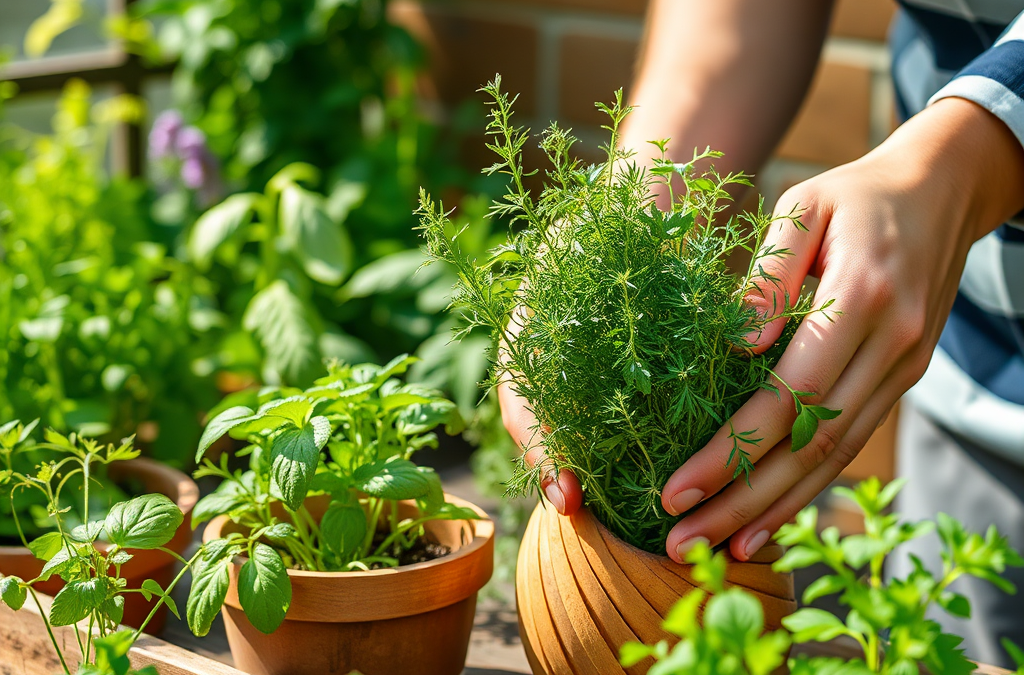
To grow a successful herb garden, begin by selecting herbs suited to your climate and culinary preferences, such as basil, parsley, and rosemary, which are ideal for beginners. Ensure your herbs receive plenty of sunlight and are planted in well-draining soil, ideally amended with organic matter to enhance nutrient content. Avoid overcrowding your plants and overwatering, as these common mistakes can hinder growth. Regularly harvesting your herbs encourages new growth and keeps your plants healthy, allowing you to enjoy fresh flavors in your cooking throughout the season.
Choosing the Right Herbs for Your Garden
Selecting the appropriate herbs is crucial for a successful herb garden. Factors such as climate, soil type, and available space should influence your choices. For instance, herbs like basil, cilantro, and parsley thrive in warmer climates, while mint and chives can tolerate cooler temperatures. Consider your culinary preferences as well; growing herbs you frequently use will enhance your cooking and save you money.
When starting out, choose a mix of annuals and perennials. Annual herbs such as basil can be replanted each year, while perennials like thyme and oregano will return season after season. This diversity not only adds variety to your garden but also ensures that you have fresh herbs available throughout the growing season.
Preparing the Soil for Optimal Growth
Soil quality plays a significant role in the success of your herb garden. Herbs generally prefer light, well-draining soil with a pH around 6 to 7. Before planting, amend your soil with organic matter such as compost or well-rotted manure to improve its structure and nutrient content. This enhances moisture retention while preventing root rot.
Conducting a soil test can help you understand the nutrient levels and pH of your garden. Based on the results, you may need to add specific fertilizers or amendments to create the best environment for your herbs. Additionally, consider using raised beds or containers if your native soil is heavy clay or sandy, as this gives you more control over soil conditions.
Watering and Maintenance Tips
Watering is a critical aspect of herb care. Most herbs prefer to dry out slightly between waterings, so it’s essential to monitor soil moisture levels. Overwatering can lead to root rot, while underwatering can stress the plants. A general rule is to water deeply once or twice a week, adjusting based on weather conditions.
Regular maintenance is vital for a thriving herb garden. This includes weeding, mulching, and pruning. Mulching helps retain soil moisture and suppress weeds, while pruning promotes bushier growth and prevents plants from becoming leggy. Additionally, keeping an eye out for pests and diseases can help you address issues before they become severe problems.
Harvesting and Using Your Herbs
Knowing when and how to harvest your herbs is essential to maximizing flavor and growth. Most herbs can be harvested once they reach about six inches tall. Use clean, sharp scissors or pruning shears to snip leaves, stems, or flowers without damaging the plant. Harvesting regularly encourages new growth and prevents the herbs from flowering, which can alter their flavor.
There are numerous ways to use fresh herbs in your cooking. From garnishing dishes to infusing oils and making herbal teas, the possibilities are endless. It’s also beneficial to learn about drying or freezing herbs for later use, ensuring you can enjoy your garden’s bounty year-round.
Frequently Asked Questions
What are the best herbs for beginners?
Beginner-friendly herbs include basil, parsley, and mint, as they are easy to grow and require minimal care.
How much sunlight do herbs need?
Most herbs thrive with at least 6-8 hours of sunlight daily, so choose a sunny spot for your garden.
Can herbs be grown indoors?
Yes, many herbs can be successfully grown indoors, provided they receive sufficient light, either from a sunny window or grow lights.
How do I prevent pests in my herb garden?
Regularly inspect your plants, use organic pest control methods, and encourage beneficial insects like ladybugs to keep pests at bay.
When is the best time to harvest herbs?
The best time to harvest herbs is in the morning after the dew has dried, as this helps preserve their essential oils and flavor.


