
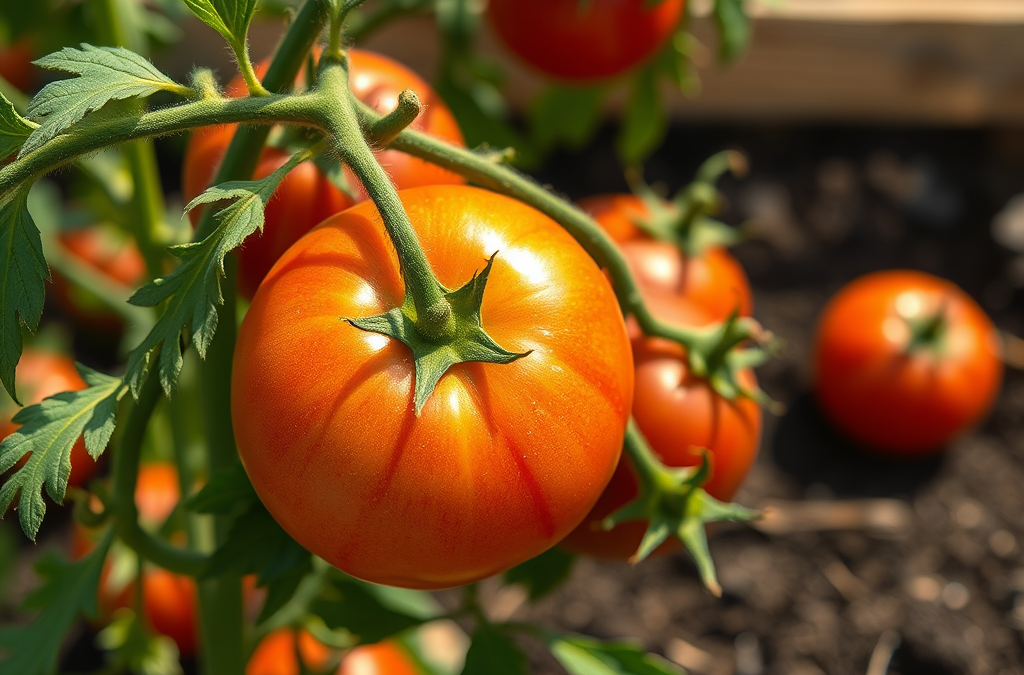
To prevent your tomatoes from cracking, maintain consistent soil moisture and avoid fluctuations in watering. Rapid changes in moisture can cause the fruit to swell faster than the skin can stretch, leading to splits. Using mulch can help retain moisture levels and reduce stress on the plants. Additionally, pruning excess foliage can improve air circulation and further mitigate cracking. By implementing these strategies, you can promote healthier tomato growth and minimize the risk of cracking in your harvest.
Understanding Tomato Cracking
Tomato cracking is a common issue faced by gardeners, characterized by splits or fissures on the surface of the fruit. This phenomenon can occur at various stages of fruit development and can lead to both aesthetic and quality concerns. Understanding the mechanics behind this issue is crucial for effective management. Cracking typically indicates that the fruit is experiencing stress, primarily due to fluctuations in moisture levels or rapid growth.
When tomatoes absorb water rapidly after a dry spell, the fruit expands faster than the skin can accommodate, leading to cracks. This not only affects the visual appeal but can also make the fruit more susceptible to diseases and pests. Addressing the factors that contribute to cracking is essential for maintaining healthy tomato plants and ensuring a good harvest.
Common Causes of Cracking
Several factors contribute to the cracking of tomatoes, and understanding these can help in devising effective strategies to mitigate the problem. The primary causes include:
- Inconsistent Watering: Fluctuations in soil moisture levels are the leading cause of tomato cracking. When the soil dries out and then is suddenly watered, the rapid absorption can cause the fruit to swell too quickly.
- Rapid Growth: High temperatures and abundant nutrients can promote rapid growth, which may result in the fruit growing faster than the skin can stretch.
- Pest Infestation: Pests such as aphids or spider mites can stress plants, leading to cracking as the plant diverts resources to combat the infestation.
- Environmental Stress: Extreme weather conditions, including heavy rains followed by sunny periods, can exacerbate moisture fluctuations.
Recognizing these causes is the first step toward implementing effective solutions to prevent further cracking. By maintaining consistent care and monitoring environmental conditions, gardeners can significantly reduce the occurrence of this issue.
Effective Solutions to Prevent Cracking
To effectively manage and prevent tomato cracking, several strategies can be employed. These solutions focus on stabilizing moisture levels and reducing stress on the plants:
- Consistent Watering: Regularly check soil moisture and water consistently. Aim for deep watering sessions to ensure that the roots receive adequate hydration without over-saturating the soil.
- Mulching: Applying a layer of mulch around the base of tomato plants can help retain soil moisture and regulate temperature, reducing the risk of cracking.
- Pruning: Prune excess foliage to improve air circulation and reduce competition for nutrients, which can help the plant manage stress more effectively.
- Soil Management: Ensure your soil has good drainage and is rich in organic matter. This can help maintain a stable moisture level and provide the necessary nutrients for healthy growth.
Implementing these solutions can lead to healthier plants and fruit with a reduced likelihood of cracking.
Long-Term Prevention Strategies
In addition to immediate solutions, adopting long-term strategies can further enhance your tomato plants’ resilience against cracking. Consider the following:
- Choose Resistant Varieties: Some tomato varieties are bred for better resilience against cracking. Research and select these varieties when planning your garden.
- Monitor Weather Conditions: Stay informed about weather patterns and adjust your watering schedule accordingly. During periods of drought or heavy rainfall, be proactive in managing soil moisture.
- Fertilization Practices: Use balanced fertilizers and avoid excessive nitrogen, which can promote rapid growth and increase the risk of cracking.
- Crop Rotation: Rotate your crops each year to prevent soil depletion and reduce pest infestations, which can stress plants.
By integrating these long-term strategies, you can create a more stable environment for your tomato plants, ultimately leading to a healthier yield and less cracking.
For more detailed information on tomato care and preventing cracking, consider exploring local agricultural extension services or gardening books that focus on vegetable cultivation. These resources provide valuable insights tailored to specific growing conditions.
Frequently Asked Questions
What are the signs that my tomatoes are cracking?
Signs of cracking include visible splits or fissures on the surface of the tomato fruit. These can vary in size and may appear as shallow lines or deep cracks.
How can I prevent my tomatoes from cracking?
To prevent cracking, maintain consistent soil moisture, use mulch, and avoid rapid growth through balanced fertilization and regular watering.
Are certain tomato varieties more prone to cracking?
Yes, some tomato varieties are more susceptible to cracking than others. Researching and selecting varieties known for their resilience can help mitigate this issue.
Can weather affect the cracking of tomatoes?
Absolutely, fluctuations in weather, such as heavy rain followed by dry conditions, can lead to inconsistent soil moisture, increasing the likelihood of cracking.
What should I do if my tomatoes are already cracked?
If your tomatoes are already cracked, harvest them promptly to prevent further damage. Use them quickly in cooking or canning to avoid spoilage.
Conclusion
Managing tomato cracking requires a combination of immediate solutions and long-term strategies. By focusing on consistent watering, proper soil management, and selecting resilient varieties, gardeners can significantly reduce the incidence of cracking. Regular monitoring of environmental conditions and proactive care will lead to healthier plants and a more abundant harvest. Prioritize these practices to enjoy delicious, crack-free tomatoes this growing season.


