
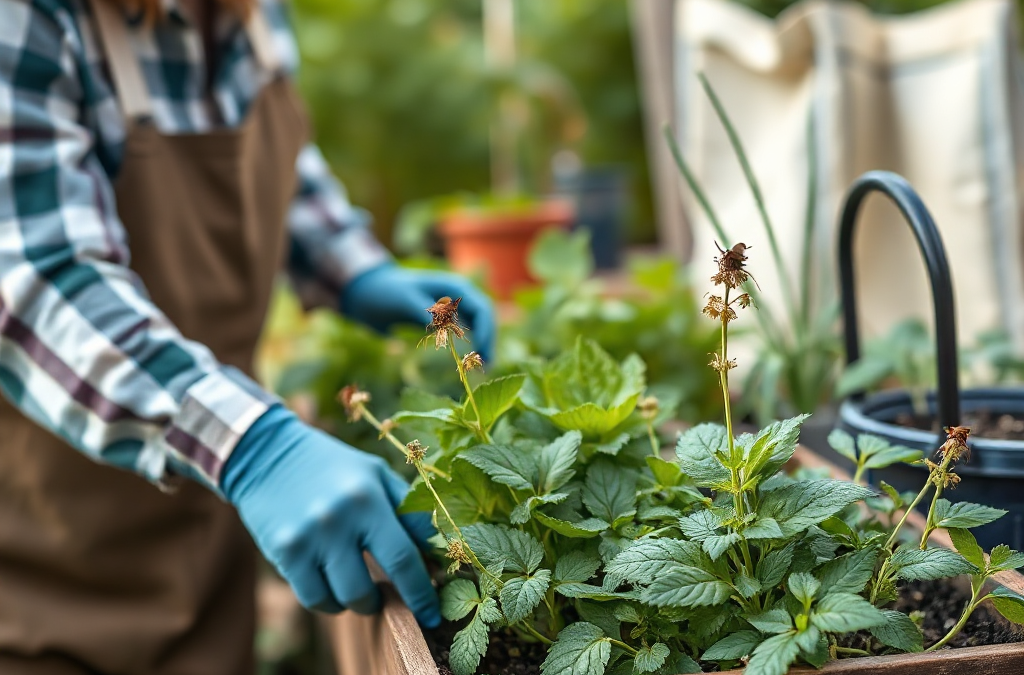
Growing herbs alongside vegetables enhances yields by improving pest control, optimizing space, and promoting biodiversity. Companion planting, where herbs like basil or cilantro are planted with crops such as tomatoes or peppers, can deter pests and attract beneficial insects. Additionally, herbs can enhance the flavor of vegetables and improve soil health through their diverse root systems. This strategic planting not only maximizes garden productivity but also creates a more resilient ecosystem.
Understanding Companion Planting
Companion planting is the practice of growing different plants in proximity for mutual benefit. This technique is particularly effective in vegetable gardens where herbs can enhance growth, deter pests, and attract beneficial insects. For example, planting basil near tomatoes not only improves the flavor of the tomatoes but can also confuse pests that might otherwise target them. Understanding the relationships between herbs and vegetables is crucial for maximizing yields and creating a thriving garden ecosystem.
When planning your garden, consider the symbiotic relationships that exist between plants. Some herbs can repel harmful insects while others may attract pollinators, creating a balanced environment. For instance, marigolds are often planted alongside vegetables to deter nematodes and other pests. This strategic planting not only maximizes garden productivity but also creates a more resilient ecosystem.
Selecting Suitable Herbs
Choosing the right herbs to grow alongside your vegetables is essential for achieving better yields. Some herbs, such as basil, cilantro, and dill, are particularly beneficial when paired with certain vegetables. Basil works well with tomatoes, enhancing their growth and flavor while repelling pests like aphids and whiteflies. Cilantro can be planted with carrots and radishes, as its foliage provides shade and reduces competition for light.
Additionally, consider the growth habits of the herbs. Fast-growing herbs like cilantro can be planted with slower-growing vegetables, allowing you to harvest them first and give the vegetables more room as they mature. This can help prevent overcrowding and ensure that all plants receive adequate sunlight and nutrients. It’s important to research which herbs are compatible with your chosen vegetables to maximize the benefits of companion planting.
Planting Techniques for Optimal Growth
When planting herbs alongside vegetables, proper spacing, timing, and planting depth are crucial for success. Start by preparing your garden bed, ensuring that the soil is rich in organic matter and well-drained. Herbs typically prefer slightly different soil conditions compared to vegetables, so consider using raised beds or separate rows to accommodate their needs.
Timing is also important; herbs can be sown directly into the garden or started indoors and transplanted. For example, sowing basil seeds indoors 6-8 weeks before the last frost allows for an earlier harvest. Once seedlings are ready to be planted outdoors, ensure they are spaced adequately to allow for airflow and growth. A common mistake is overcrowding plants, which can lead to poor air circulation and increased susceptibility to disease.
Maintaining Your Herb and Vegetable Garden
Regular maintenance is essential to ensure both herbs and vegetables thrive together. This includes consistent watering, mulching, and monitoring for pests and diseases. Herbs can help with pest control, but it’s important to keep an eye on any potential infestations that may affect both plants. Implementing integrated pest management strategies, such as introducing beneficial insects or using organic sprays, can help maintain a healthy garden.
Additionally, consider rotating your herbs and vegetables each growing season to prevent soil nutrient depletion and reduce pest buildup. This practice not only promotes soil health but also encourages a diverse ecosystem in your garden. Regularly harvesting herbs can also stimulate growth, ensuring you have a continuous supply of fresh herbs while allowing space for your vegetables to flourish.
Frequently Asked Questions
What herbs are best for companion planting with vegetables?
Basil, cilantro, dill, and marigolds are excellent choices for companion planting with vegetables, enhancing growth and deterring pests.
How do herbs improve vegetable growth?
Herbs can improve vegetable growth by attracting beneficial insects, repelling pests, and enhancing soil nutrients through their diverse root systems.
Can I grow herbs in the same space as my vegetables?
Yes, growing herbs in the same space as vegetables is beneficial, as long as they are compatible and have enough room to thrive without overcrowding.
What common mistakes should I avoid when growing herbs with vegetables?
Avoid overcrowding plants, neglecting watering needs, and planting incompatible herbs and vegetables that compete for nutrients and space.
How often should I water my herb and vegetable garden?
Water your herb and vegetable garden regularly, ensuring the soil remains moist but not waterlogged; typically, 1 inch of water per week is sufficient.
Further Reading
Authoritative Sources
Conclusion
Growing herbs alongside vegetables can significantly enhance your garden’s productivity and resilience. By selecting compatible herbs, employing effective planting techniques, and maintaining your garden, you can create a thriving ecosystem that benefits both plants. Focus on regular care, monitor for pests, and enjoy the benefits of fresh herbs and healthier vegetables. Experiment with different herb combinations to find what works best in your specific gardening conditions for optimal results.
Further Reading
Authoritative Sources
- Companion Planting Guide for Vegetables & Herbs
gardendesign.comVegetables have higher yields and better flavor when sited next to compatible plants. Companion planting maximizes the use of your garden space. Peas Growing On ...
- Companion Planting Chart for the Vegetable Garden
almanac.comMix flowers and herbs throughout your vegetable beds to attract beneficial insects. Combine tall and low-growing crops to improve light use and ...
- Plant Partners: 5 Benefits of Companion Planting
hgic.clemson.eduCompanion planting can improve your garden soil's overall health, nutrient availability, soil structure, and moisture. Leguminous plants fix ...
- Companion Planting with Herbs for a More Robust Garden
attainable-sustainable.netCompanion planting with herbs can be done within the rows or between the rows of vegetables without harming the vegetables. Herbs are strongly ...


