
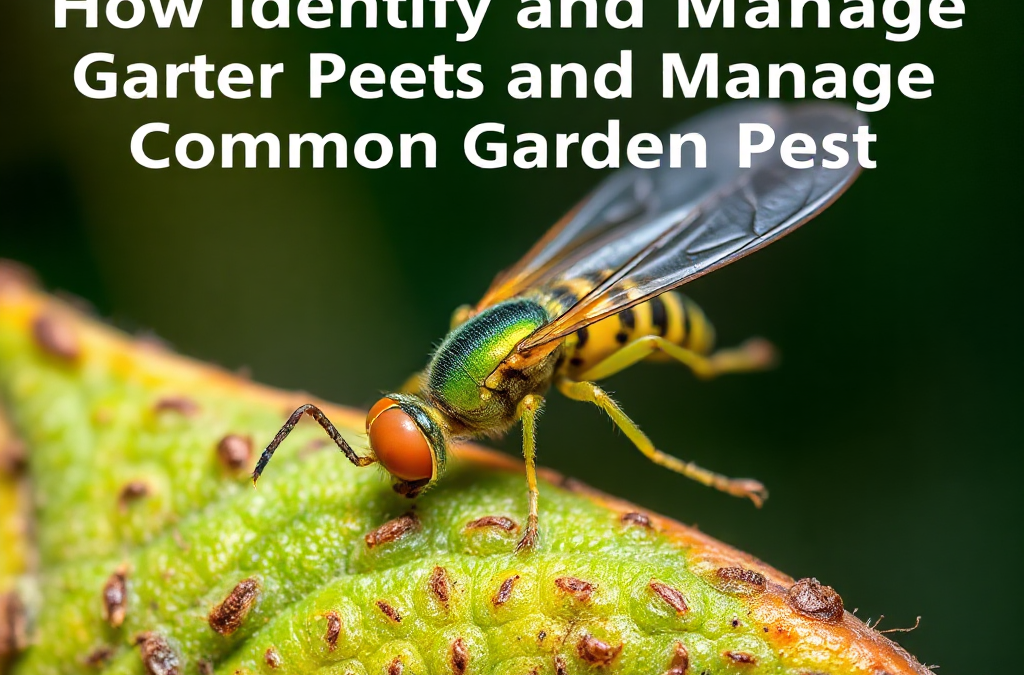
Identifying and managing common garden pests involves recognizing signs of infestation, understanding pest behaviors, and implementing targeted control methods. Start by inspecting plants for damage, such as chewed leaves or discolored spots, which indicates specific pests like aphids or caterpillars. Use organic pesticides or introduce beneficial insects like ladybugs for effective management. Regular monitoring and maintaining plant health are essential to prevent future infestations.
Recognizing Common Pests in Your Garden
Identifying common garden pests is the first step in effective pest management. Common pests include aphids, caterpillars, spider mites, and whiteflies, each exhibiting unique signs of infestation. For instance, aphids are typically small and green, often found on the undersides of leaves, while caterpillars may cause noticeable damage by eating leaves and stems. Regular inspections can help in early detection, allowing for timely intervention.
When inspecting your plants, look for signs such as discolored leaves, holes, and sticky residue, which can indicate a pest problem. Utilize a magnifying glass to spot smaller pests and their eggs. Understanding the visual cues associated with these pests can significantly enhance your ability to identify and respond to infestations early.
Understanding Pest Behavior and Lifecycle
Each garden pest has a distinct lifecycle that influences its behavior and the timing of infestations. For example, aphids reproduce quickly and can form large colonies in a short time, while caterpillars undergo several growth stages before becoming moths or butterflies. Knowing the lifecycle stages helps in anticipating potential outbreaks and planning appropriate control measures.
Typically, pest populations peak during specific seasons, often in spring and summer when plants are actively growing. Monitoring these patterns allows gardeners to be proactive rather than reactive. For example, applying preventive measures before a pest’s peak activity can significantly reduce the likelihood of severe infestations.
Effective Management Techniques
There are various methods to manage common garden pests effectively. Integrated Pest Management (IPM) is a holistic approach that combines different strategies for long-term pest control. This includes cultural practices, biological control, and chemical methods as a last resort. For instance, introducing beneficial insects like ladybugs can help control aphid populations naturally.
Organic pesticides, such as neem oil or insecticidal soap, can be used when infestations are severe. These products target pests without harming beneficial insects or the environment. Always follow application instructions carefully and consider timing, applying treatments in the early morning or late evening to minimize harm to pollinators.
Preventive Measures to Protect Your Garden
Preventing pest infestations is often more effective than managing them after they occur. Start by maintaining healthy soil and plants, as robust plants are better able to withstand pest pressures. Rotating crops and practicing companion planting can also deter pests naturally by disrupting their lifecycle and providing habitats for beneficial insects.
Regular garden maintenance, such as removing debris and weeds, can reduce pest habitats. Additionally, using physical barriers like row covers can protect vulnerable plants from pests without relying on chemical controls. Creating a diverse garden with a variety of plants can also attract beneficial insects, contributing to a balanced ecosystem that naturally manages pest populations.
Frequently Asked Questions
What are the most common garden pests?
The most common garden pests include aphids, caterpillars, spider mites, and whiteflies, each causing different types of damage.
How can I tell if my plants have pests?
Look for signs such as chewed leaves, sticky residue, or visible insects on the plants to identify pest infestations.
What is Integrated Pest Management (IPM)?
IPM is a comprehensive approach that combines various strategies for managing pests, focusing on long-term prevention and minimal environmental impact.
Are organic pesticides effective?
Yes, organic pesticides like neem oil or insecticidal soap can effectively control pests while being environmentally friendly.
How can I prevent pests in my garden?
Maintain healthy plants, practice crop rotation, use physical barriers, and encourage beneficial insects to prevent pest infestations.
Conclusion
Effectively identifying and managing common garden pests requires vigilance and a proactive approach. Regular inspections and understanding pest behaviors are crucial for early detection. Implementing integrated pest management strategies, including using organic solutions and encouraging beneficial insects, can help maintain a healthy garden ecosystem. Prioritizing preventive measures will further enhance your garden’s resilience against pests, ensuring a fruitful growing season.


