
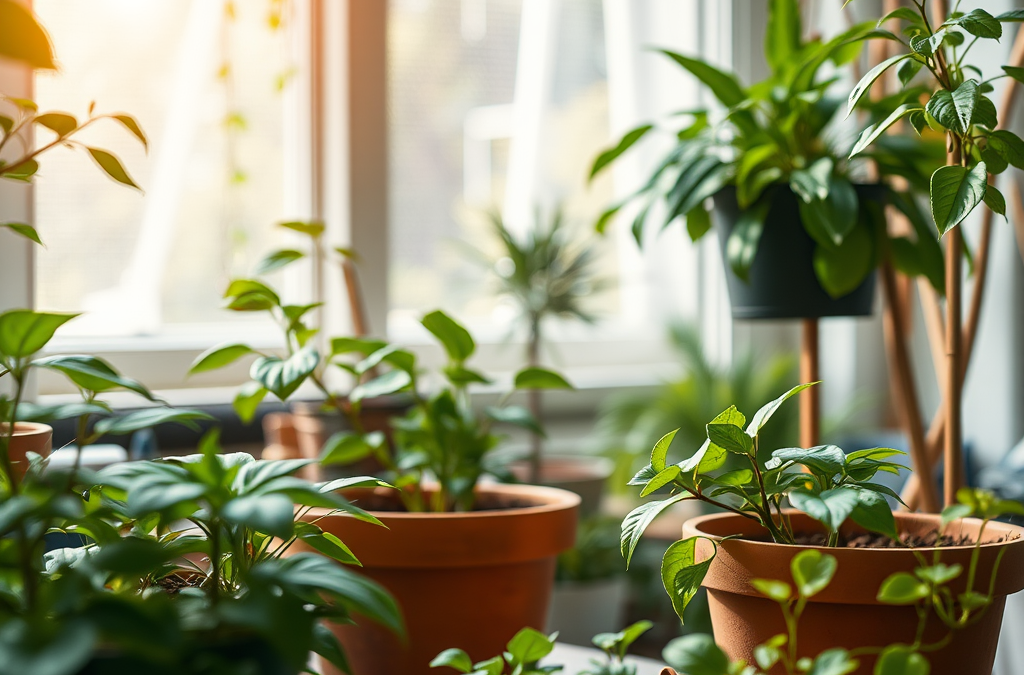
Improving air circulation around plants is essential for preventing diseases and promoting healthy growth. To achieve this, ensure proper spacing between plants, utilize fans or airflow devices, and strategically prune foliage to enhance air movement. Avoid overcrowding, as this can lead to stagnant air and increased humidity, fostering conditions for mold and pests. Regularly monitoring your plants and adjusting their arrangement can significantly enhance their overall health.
Understanding Air Circulation
Air circulation is vital for plant health as it directly affects transpiration, respiration, and temperature regulation. Proper airflow helps to prevent moisture accumulation, which can lead to fungal diseases and pest infestations. Plants, much like humans, require a balanced environment to thrive; stagnant air can create hotspots of humidity that are detrimental to their growth.
In a garden or indoor setting, air circulation ensures that carbon dioxide is evenly distributed, allowing plants to photosynthesize effectively. This process not only promotes growth but also strengthens the plant’s natural defenses against diseases and pests. Understanding the mechanics of air movement is the first step in managing plant health effectively.
Methods to Enhance Airflow
There are several practical techniques to improve air circulation around plants. Here are some effective methods:
- Proper Spacing: When planting, ensure adequate spacing between plants to facilitate airflow. Crowded plants restrict air movement, leading to increased humidity and potential disease problems.
- Use of Fans: For indoor plants or greenhouses, utilizing fans can significantly enhance air circulation. Positioning oscillating fans can help distribute air evenly, reducing stagnant zones.
- Strategic Pruning: Regularly prune plants to remove excess foliage that obstructs airflow. This not only helps with circulation but also encourages healthier growth patterns.
- Vertical Gardening: Incorporating vertical gardening techniques can enhance airflow by allowing plants to grow upwards, thereby increasing space and reducing overcrowding.
- Mulching: Using organic mulch can help maintain soil moisture while also allowing for adequate air exchange at the soil surface, which benefits root health.
Implementing these methods can greatly improve the health and vitality of your plants, creating an environment that supports growth and resilience.
Common Mistakes to Avoid
Even with the best intentions, gardeners can make mistakes that hinder air circulation. Here are some common pitfalls to watch out for:
- Overcrowding: Planting too closely can suffocate plants. Always follow recommended spacing guidelines for each plant type.
- Ignoring Plant Growth: As plants grow, they may require re-spacing or additional pruning. Regularly assess plant arrangements to ensure they are not becoming overcrowded.
- Neglecting Humidity Levels: High humidity can exacerbate stagnant air issues. Monitor humidity levels, especially in enclosed spaces, and adjust ventilation accordingly.
- Using Solid Barriers: Avoid placing solid barriers around plants that can block airflow. Instead, opt for breathable materials that allow air to pass through.
- Failure to Rotate Plants: If growing indoors, rotating plants can help expose all sides to airflow and light, promoting even growth and health.
Avoiding these common mistakes is crucial for maintaining healthy air circulation around your plants, ultimately leading to better growth outcomes.
Frequently Asked Questions
What are the signs of poor air circulation around plants?
Signs include yellowing leaves, mold growth, and stunted growth. Stagnant air can lead to increased humidity, promoting diseases.
How can I tell if my plants are too crowded?
If plants are overlapping, competing for light, or showing signs of stress, they are likely too crowded. Space them out for better airflow.
Is it necessary to prune plants for airflow?
Yes, regular pruning helps maintain air circulation and reduces the risk of disease by removing obstructive foliage.
Can indoor plants benefit from airflow devices?
Absolutely! Fans or air circulation devices can help prevent stagnant air, promoting healthier indoor plant environments.
What types of plants need more air circulation?
Tropical plants, ferns, and flowering plants often require more air circulation due to their higher susceptibility to humidity-related issues.
Conclusion
Improving air circulation around plants is essential for fostering a healthy growing environment. By implementing proper spacing, utilizing airflow devices, and regularly pruning, you can significantly enhance plant health and reduce the risk of diseases. Pay attention to common mistakes that can hinder airflow, such as overcrowding and neglecting humidity levels. With the right practices, your plants will thrive, resulting in a flourishing garden or indoor space.
Further Reading
Authoritative Sources
- Don't Stress Your Plant With Bad Air Circulation
naturehills.comProper spacing gives the plant enough room for good air flow, better light penetration, and natural growth. Plants that have air movement around ...
- Air Circulation For Indoor Gardens
foxrunenvironmentaleducationcenter.orgOpen windows · Place plants near windows · Use a fan · Place plants near vents · Make sure your home has a proper, well-maintained exhaust system.
- The Impact of Air Circulation on Grow Kit Success
acornhorticulture.comBy improving air circulation, you can enhance the exchange of carbon dioxide and oxygen, promote nutrient uptake, and prevent the buildup of stagnant air ...
- The Crucial Role of Airflow for Indoor Plant Care
wethewild.usSOLUTION: Make sure your plants are in a free-draining potting mix which doesn't allow water to pool around their roots, and only water once the top 1/2 inch of ...


