
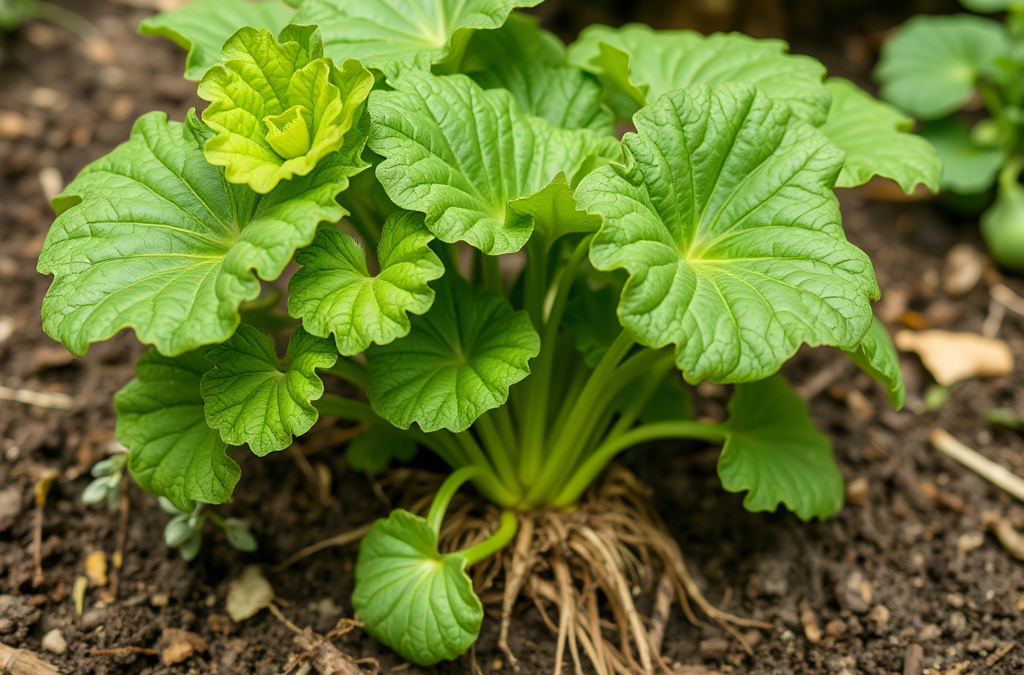
To manage vegetable plant diseases organically, implement practices such as crop rotation, companion planting, and the use of natural fungicides like neem oil. Regularly monitor plants for early signs of disease, maintain proper spacing for airflow, and ensure healthy soil through organic amendments. Avoiding certain common mistakes, like overwatering and neglecting plant diversity, can significantly enhance your success in organic disease management.
Understanding Vegetable Plant Diseases
Vegetable plant diseases can stem from various pathogens, including fungi, bacteria, and viruses, each affecting plant health differently. Recognizing the symptoms early is crucial for effective management. Common signs include yellowing leaves, wilting, and unusual spots or growths. Understanding the specific diseases that affect your crops is essential, as it allows for targeted interventions.
For instance, powdery mildew often appears as white spots on leaves, while blight may cause dark, water-soaked lesions. Each disease has preferred conditions for development, such as humidity and temperature, which can inform your management strategies. By being proactive and informed, gardeners can better prepare for potential outbreaks.
Organic Methods for Disease Management
Implementing organic methods for managing vegetable plant diseases involves a combination of cultural practices, biological controls, and natural remedies. Crop rotation is one of the simplest yet most effective strategies; by changing the location of crops each season, the build-up of pathogens in the soil can be reduced. For example, planting legumes after solanaceous crops can help break disease cycles.
Companion planting can also be beneficial; certain plants can deter pests or attract beneficial insects that help control disease spread. For instance, marigolds are known to repel nematodes, and planting garlic can ward off aphids. Additionally, natural fungicides like neem oil, baking soda solutions, and compost tea can be applied to affected plants as preventive measures.
Monitoring and Early Detection
Regular monitoring of your vegetable garden is vital for early detection of plant diseases. This involves inspecting plants for signs of distress, such as discoloration or stunted growth. Implementing a routine check can help identify issues before they escalate into full-blown outbreaks.
Creating an observation schedule will encourage consistent monitoring. Keep a garden journal to record any changes or symptoms you notice, as this can help track patterns over time and inform future planting decisions. When diseases are detected early, you can apply organic treatments promptly, increasing the chances of saving affected plants.
Common Mistakes to Avoid
While managing vegetable plant diseases organically, several common mistakes can hinder your efforts. Overwatering is one of the most frequent issues, leading to root rot and promoting fungal diseases. Ensure that your plants have well-draining soil and only water when necessary.
Another mistake is neglecting plant diversity. Monocultures can create an environment where diseases spread rapidly. Incorporating a variety of plants can enhance biodiversity, making it harder for diseases to proliferate. Additionally, failing to clean tools and equipment can inadvertently spread pathogens between plants. Always sanitize your gardening tools to minimize this risk.
For more in-depth information on managing vegetable plant diseases organically, consider exploring resources from agricultural extensions or organic gardening associations. These sources can provide valuable insights into specific diseases and effective organic treatments.
Frequently Asked Questions
What are the most common vegetable plant diseases?
Common vegetable plant diseases include blight, powdery mildew, and root rot, each presenting unique symptoms and requiring different management strategies.
How can I tell if my plants are diseased?
Signs of disease can include yellowing leaves, wilting, spots or lesions on foliage, and stunted growth. Regular monitoring helps in early detection.
What natural remedies can help with plant diseases?
Natural remedies include neem oil, baking soda solutions, and compost tea, which can be used as preventive treatments or to combat early signs of disease.
Is crop rotation effective for disease management?
Yes, crop rotation disrupts the life cycles of soil-borne pathogens, reducing the risk of disease recurrence in subsequent planting seasons.
How important is plant diversity in the garden?
Plant diversity is crucial as it lowers the risk of disease spread. A variety of plants can create a more resilient ecosystem, making it harder for diseases to thrive.
Conclusion
Effectively managing vegetable plant diseases organically requires a proactive approach, combining knowledge of plant health, cultural practices, and natural treatments. By understanding the diseases that affect your crops, implementing organic management techniques, and avoiding common pitfalls, you can cultivate a thriving garden. Regular monitoring and timely intervention are key to maintaining plant health and productivity.


