
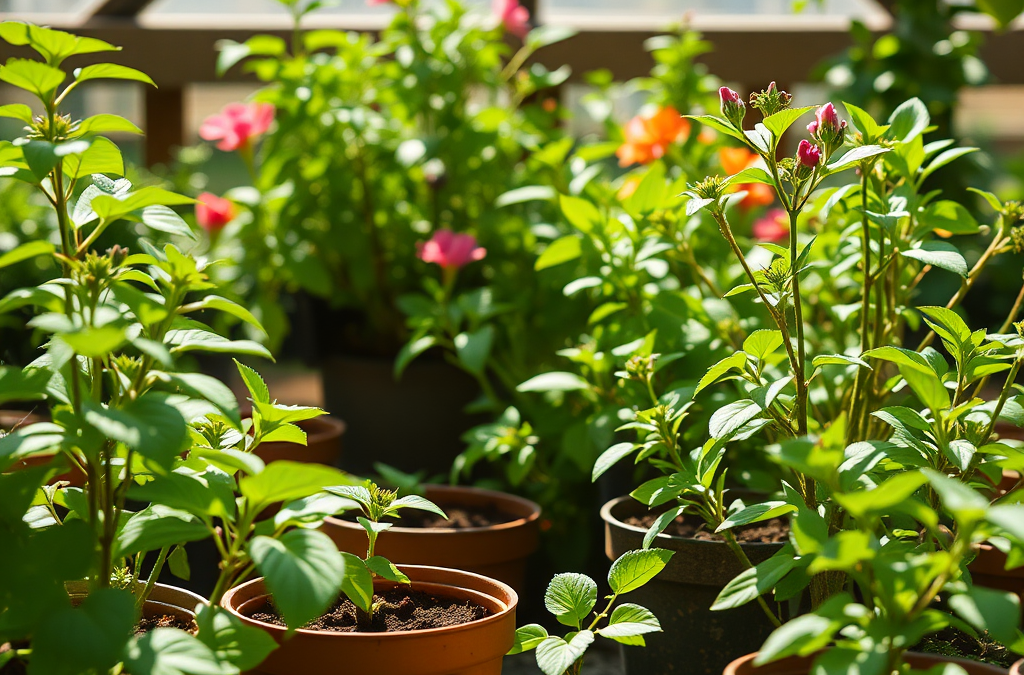
To optimize sunlight exposure for plants, ensure they receive the right amount of light by positioning them according to their specific needs, utilizing reflective surfaces to enhance light distribution, and regularly monitoring for any obstructions like overhanging branches. Understanding each plant's light requirements and adjusting their placement or using supplemental lighting can significantly improve growth and health. This approach helps avoid common issues such as stunted growth or leaf burn due to inadequate or excessive sunlight.
Understanding Plant Light Requirements
Every plant has unique light requirements that dictate its growth and overall health. For instance, some plants thrive in full sun, requiring at least six hours of direct sunlight daily, while others prefer partial shade. Understanding these needs is essential to optimize sunlight exposure effectively. Factors such as the plant’s native habitat and growth stage significantly influence its light requirements.
Overexposure to sunlight can lead to leaf scorch and hinder growth, while insufficient light can cause elongation and weak stems. Therefore, it is crucial to research the specific needs of each plant species to ensure they receive appropriate light levels. For instance, succulents and cacti require intense sunlight, whereas ferns and shade-loving plants thrive best in lower light conditions.
Additionally, consider the time of year and the changing position of the sun throughout the seasons, as this can affect light availability. Regularly reassessing your plants’ light needs can help you make timely adjustments to their placement.
Positioning Plants for Maximum Sunlight
Proper positioning of plants is a critical factor in optimizing sunlight exposure. Start by observing how sunlight moves across your garden or indoor space throughout the day. Identify areas that receive the most sunlight and place sun-loving plants in these spots. Conversely, shade-tolerant plants should be positioned in areas that experience less direct sunlight.
Consider using vertical gardening techniques or tiered plant stands to maximize light exposure. By elevating certain plants, you can allow them to receive more sunlight while preventing taller plants from casting shadows on shorter ones. This method is particularly beneficial for small spaces, where every inch of light counts.
Additionally, rotating potted plants every few weeks can help them receive sunlight from different angles, promoting balanced growth. Remember to check for any obstructions, such as fences, walls, or other plants, that may block sunlight from reaching your plants.
Using Reflective Surfaces to Enhance Light
Utilizing reflective surfaces can significantly enhance sunlight exposure for your plants. Materials such as white walls, mirrors, or reflective mulch can redirect light towards your plants, increasing the amount of sunlight they receive. This technique is especially useful in shaded areas where direct sunlight is limited.
For example, placing reflective materials around the base of plants can help bounce sunlight onto their leaves, promoting photosynthesis and overall growth. Additionally, using light-colored pots or containers can also enhance light reflection, further supporting plant health.
However, be cautious with this method; too much reflected light can lead to overheating or sunburn on sensitive plants. Monitor your plants closely when using reflective surfaces to ensure they are not suffering from excessive heat or light exposure.
Monitoring and Adjusting for Optimal Light Exposure
Regular monitoring of your plants’ light exposure is essential for optimizing their growth. Pay attention to changes in their appearance, such as yellowing leaves or elongated stems, which may indicate insufficient light. Conversely, scorched or crispy leaf edges can signal too much sunlight.
Adjustments should be made promptly based on these observations. If a plant is not thriving, consider relocating it to a different spot with better light conditions or providing supplemental lighting, such as grow lights, especially during the winter months when natural light is limited.
Additionally, seasonal changes can affect light availability, so be prepared to adjust your plants’ locations accordingly. Using a light meter can also help you measure light intensity and make more informed decisions about your plants’ placements.


