
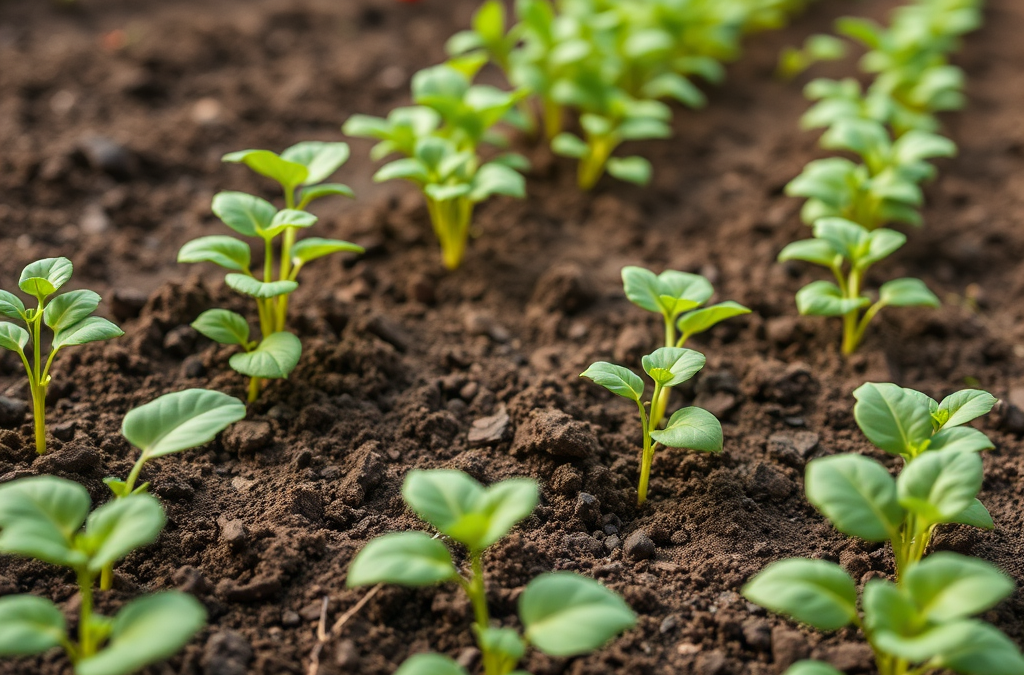
To properly space vegetable plants for growth, ensure each plant has adequate room based on its mature size, which prevents competition for nutrients and sunlight. For example, tomatoes typically need 18-24 inches apart, while carrots can be spaced closer at 2-4 inches. Overcrowding can lead to diseases and reduced yields, so understanding each plant's spacing needs is crucial for a thriving garden.
Understanding Plant Spacing Requirements
Properly spacing vegetable plants is essential for maximizing growth and yield. Each type of vegetable has specific spacing requirements based on its mature size and growth habits. For instance, large plants like squash or tomatoes need more space compared to smaller plants like lettuce or radishes. A common guideline is to refer to seed packets or gardening resources that specify recommended spacing distances.
Understanding these requirements is critical because inadequate spacing can lead to competition for resources such as light, water, and nutrients. When plants are too close together, they may also create a humid microenvironment that fosters diseases, reducing overall plant health and productivity.
Factors Influencing Plant Spacing
Several factors influence how far apart vegetable plants should be spaced. The first is the mature size of the plant. Larger plants with extensive foliage or root systems require more room to thrive. Secondly, the growth habit—whether a plant is bushy or vining—affects spacing. For example, vining plants like cucumbers can be trellised, which allows for closer spacing in the ground.
Soil quality also plays a role; rich, well-draining soil can support closer spacing, while poorer soil may require more space to ensure each plant can access sufficient nutrients. Lastly, local climate conditions, such as humidity and sunlight availability, can dictate spacing strategies. In humid climates, spacing plants further apart supports air circulation and reduce the risk of fungal diseases.
Common Mistakes in Plant Spacing
One of the most frequent mistakes gardeners make is overcrowding plants. This often stems from the desire to maximize yield in limited space but can lead to a host of problems, including poor air circulation and increased pest susceptibility. It’s vital to resist the temptation to plant too closely, as this can reduce both the quantity and quality of the harvest.
Another common error is failing to account for the plant’s growth stage. Many gardeners may plant seedlings closer together, thinking they will thin them out later, but this can lead to stunted growth and stress on the plants. Additionally, not adjusting spacing based on the specific variety can lead to unexpected challenges. For instance, heirloom tomato varieties often require more space than hybrid types.
Practical Tips for Optimal Spacing
To achieve optimal spacing, start by consulting the seed packet or reliable gardening resources for specific spacing recommendations. A good practice is to use a measuring tool, like a ruler or garden tape, to ensure accuracy when planting. Marking rows and spacing with stakes can also help maintain even distances.
Consider using a planting plan or layout to visualize spacing before planting. This can help ensure that you account for the mature size of each plant and adjust based on your garden’s layout. Regularly observe your plants as they grow; if they appear crowded, it may be worth thinning them out to avoid competition for resources.
Frequently Asked Questions
What is the ideal spacing for tomato plants?
Tomato plants should be spaced 18 to 24 inches apart to allow adequate air circulation and sunlight.
How does soil quality affect plant spacing?
Better soil quality allows for closer spacing, as plants can access more nutrients, while poorer soil may require more space to reduce competition.
Can I grow multiple types of vegetables together?
Yes, companion planting can be beneficial, but ensure to account for each plant’s spacing and growth habits to prevent overcrowding.
What are the signs of overcrowded plants?
Signs include stunted growth, yellowing leaves, and increased pest infestations due to poor air circulation.
How often should I check plant spacing during growth?
Regular checks are advisable, especially in the early stages of growth, to ensure plants have enough space and to make adjustments if necessary.
Conclusion
Proper spacing of vegetable plants is crucial for ensuring healthy growth and maximizing yield. By understanding the specific needs of each type of plant and being mindful of common spacing mistakes, gardeners can create an environment that promotes optimal growth. Regularly monitoring plant spacing and making adjustments as needed will lead to a more productive garden and a healthier harvest.


