
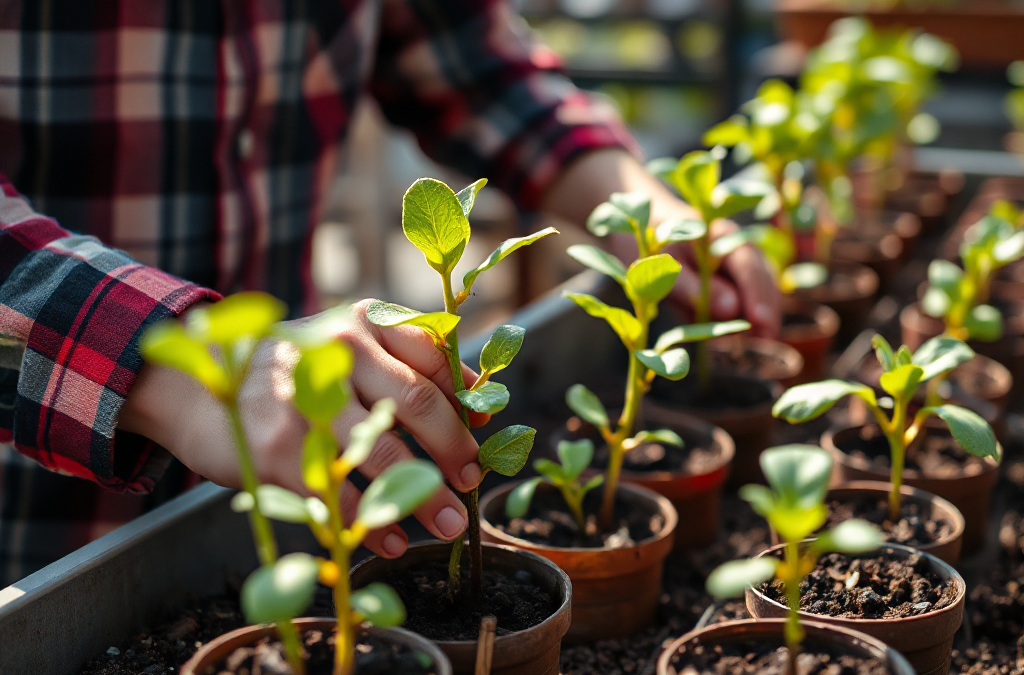
To select healthy seedlings for planting, examine them for robust stems, vibrant leaves, and a well-developed root system. Ensure the seedlings are free from pests and diseases by inspecting leaves and stems closely. Healthy seedlings should have a uniform size and color, indicating they have received adequate light and nutrition. Prioritizing these characteristics will lead to stronger plants and better garden yields.
Understanding Seedling Health
Seedlings are the foundation of any thriving garden, and their health significantly impacts the success of your planting efforts. Healthy seedlings exhibit strong growth and resilience, which translates to better yields and increased vigor in mature plants. When selecting seedlings, understanding their health indicators is crucial. This section will explore the importance of selecting robust seedlings and how they influence the overall gardening experience.
Healthy seedlings not only establish themselves more quickly in the garden but also adapt better to environmental stresses, such as varying temperatures and moisture levels. They are less susceptible to diseases and pests, which can save you time and resources in the long run. By focusing on selecting high-quality seedlings, you set the stage for a productive growing season.
Key Characteristics of Healthy Seedlings
When evaluating seedlings, look for several key characteristics that indicate their health. The first notable feature is the stem; it should be sturdy and upright, showing no signs of wilting or bending. A strong stem supports the plant’s structure and is essential for nutrient transport.
Next, examine the leaves. Healthy seedlings have vibrant, green leaves, devoid of spots or discoloration. Yellowing leaves may indicate nutrient deficiencies or stress. Additionally, the leaf surface should be smooth and free from pests, such as aphids or spider mites, which can damage the plant.
The root system is another critical aspect to consider. Healthy seedlings should have white, firm roots that fill the container without being root-bound. Gently removing a seedling from its pot allows you to inspect the roots; if they are brown or mushy, it’s a sign of rot or disease.
Inspection Techniques for Seedlings
Effective inspection techniques are vital for ensuring you select healthy seedlings. Begin by visually assessing the seedlings in their containers. Look for uniformity in size and color, as this often indicates that they have been grown under optimal conditions.
Next, gently remove a seedling from its pot. This allows for a thorough examination of the root system. Ensure that the roots are not tangled or overly dense, as this can hinder growth once planted in the garden. A well-developed root system should have multiple fine roots extending outward.
Additionally, check for any signs of disease or pests. Inspect the undersides of the leaves and the stem for any unusual spots, webs, or insects. A healthy seedling should show no signs of distress, and any blemishes should be taken seriously as potential red flags.
Common Mistakes to Avoid
While selecting seedlings, gardeners often make several common mistakes that can lead to poor planting outcomes. One prevalent error is choosing seedlings that appear too leggy or stretched. This often indicates inadequate light during the seedling’s growth phase, making them weak and less likely to thrive once planted.
Another mistake is not considering the seedlings’ age. Younger seedlings may be more adaptable but can also be more vulnerable to transplant shock. Conversely, older seedlings may have a more developed root system but could be root-bound, leading to growth issues.
To wrap up, failing to check for pests or disease before purchasing seedlings can result in introducing problems to your garden. Always take the time to inspect each seedling thoroughly before making a selection.
Frequently Asked Questions
What should I look for when choosing seedlings?
Look for sturdy stems, vibrant leaves, and a well-developed root system. Inspect for pests and diseases.
How can I tell if a seedling is unhealthy?
Unhealthy seedlings may have yellowing leaves, weak stems, or a root system that is brown and mushy.
Is it better to buy young or older seedlings?
Younger seedlings are more adaptable but may require more care, while older seedlings have established roots but can be root-bound.
How often should I check seedlings for pests?
Regularly inspect seedlings, especially before planting and during their growth, to catch any pest problems early.
Can I grow seedlings indoors before planting them outside?
Yes, many gardeners start seedlings indoors to give them a head start but ensure they receive adequate light and care.
Conclusion
Selecting healthy seedlings is a critical step in ensuring a successful gardening experience. By carefully evaluating the characteristics of seedlings, utilizing effective inspection techniques, and avoiding common mistakes, you can increase your chances of cultivating a thriving garden. Focus on the essential indicators of health, such as stem strength, leaf vibrancy, and root development, to make informed choices. With attention to detail and proper care, your seedlings will flourish and contribute to a bountiful harvest.


