
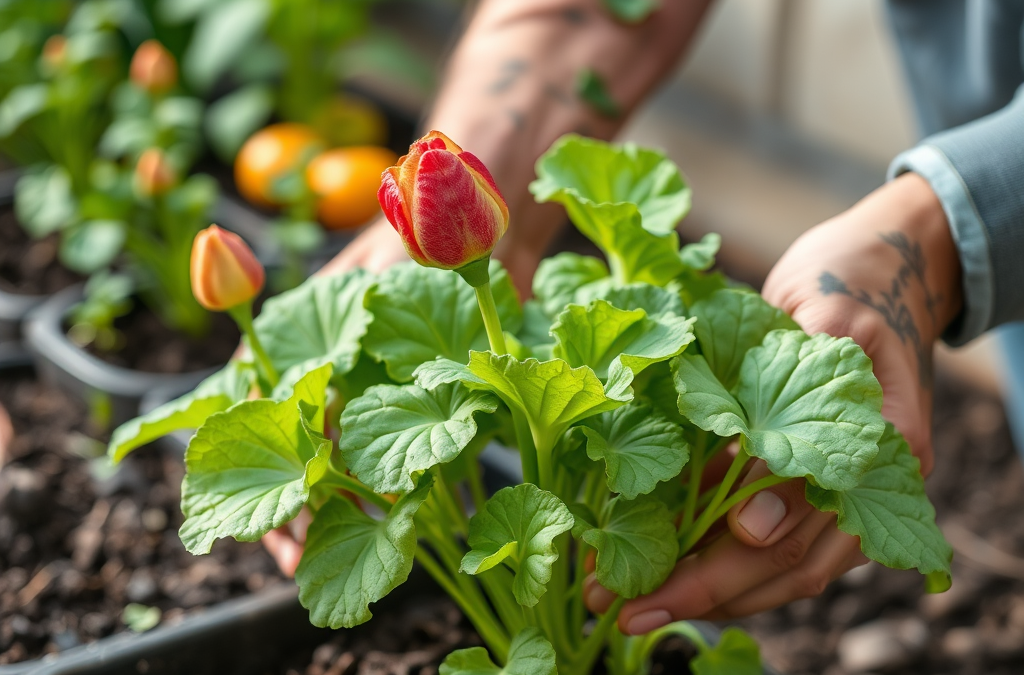
To revive wilting vegetable plants, first check the soil moisture by inserting your finger about an inch deep; if it's dry, water the plants thoroughly, but if it's soggy, allow it to dry out to prevent root rot. Ensure your plants receive adequate sunlight, as insufficient light can weaken them further. Additionally, inspect for pests or diseases that may be causing stress. By addressing these factors and adjusting your care routine, you can significantly enhance the health and vitality of your vegetable plants.
Understanding the Causes of Wilting
Wilting in vegetable plants can occur for several reasons, primarily due to water stress, which can manifest as either overwatering or underwatering. Overwatering typically leads to root rot, causing the roots to be unable to absorb necessary nutrients and water, while underwatering results in dehydration, leading to wilting. Understanding these causes is essential for effective recovery.
Moreover, environmental factors such as extreme heat, insufficient sunlight, and poor soil quality can exacerbate wilting symptoms. For instance, plants that are not receiving adequate sunlight may weaken and become more susceptible to wilting. Recognizing these causes allows gardeners to implement targeted strategies to revive their plants.
Steps to Assess and Adjust Watering
Proper watering is crucial for reviving wilting vegetable plants. Start by checking the soil moisture level. Insert your finger about an inch into the soil; if it feels dry, it’s time to water. However, if the soil feels soggy, hold off on watering and allow the soil to dry out to prevent further stress on the roots.
When watering, do so deeply and infrequently, allowing water to reach the root zone. This encourages deeper root growth, which helps plants withstand dry spells better. A general rule of thumb is to water once a week, adjusting based on rainfall and temperature. Additionally, consider using mulch to help retain soil moisture and regulate temperature.
Sunlight and Nutrient Requirements
Aside from watering, ensuring that vegetable plants receive adequate sunlight is vital for their recovery. Most vegetable plants thrive with at least six hours of direct sunlight daily. If your plants are shaded by larger plants or structures, consider relocating them to a sunnier spot or trimming back any obstructions.
Nutrient deficiencies can also lead to wilting. A soil test can help identify any nutrient imbalances. Fertilize your plants with a balanced fertilizer that provides essential nutrients such as nitrogen, phosphorus, and potassium. However, avoid over-fertilizing, which can lead to salt buildup and further stress the plants.
Identifying Pests and Diseases
Pests and diseases can also contribute to wilting. Regularly inspect your plants for signs of pests like aphids, spider mites, or whiteflies, which can sap the plant’s vitality. If you notice any infestations, treat them promptly with insecticidal soap or neem oil.
Diseases such as root rot and fungal infections can also cause wilting. Look for signs like discolored leaves or a foul smell from the soil. If you suspect a disease, remove affected plants and improve air circulation around your remaining plants to prevent the spread of pathogens.
Frequently Asked Questions
What are the main causes of wilting in vegetable plants?
The main causes of wilting in vegetable plants include overwatering, underwatering, insufficient sunlight, and pest infestations.
How can I tell if my plants need water?
Check the soil moisture by inserting your finger into the soil; if it feels dry an inch down, it's time to water.
What should I do if my plants are overwatered?
If your plants are overwatered, allow the soil to dry out completely before watering again and consider repotting if root rot is suspected.
How much sunlight do vegetable plants need?
Most vegetable plants require at least six hours of direct sunlight each day for optimal growth.
How can I prevent pests from affecting my vegetable garden?
Regularly inspect your plants, use organic pest control methods, and encourage beneficial insects to help keep pests at bay.
Conclusion
Reviving wilting vegetable plants involves understanding the underlying causes of wilting, such as improper watering, inadequate sunlight, and pest issues. By assessing and adjusting your watering practices, ensuring sufficient sunlight and nutrients, and actively managing pests, you can restore your plants to health. Monitor your plants closely to catch issues early, and implement these strategies to keep your vegetable garden thriving.


