
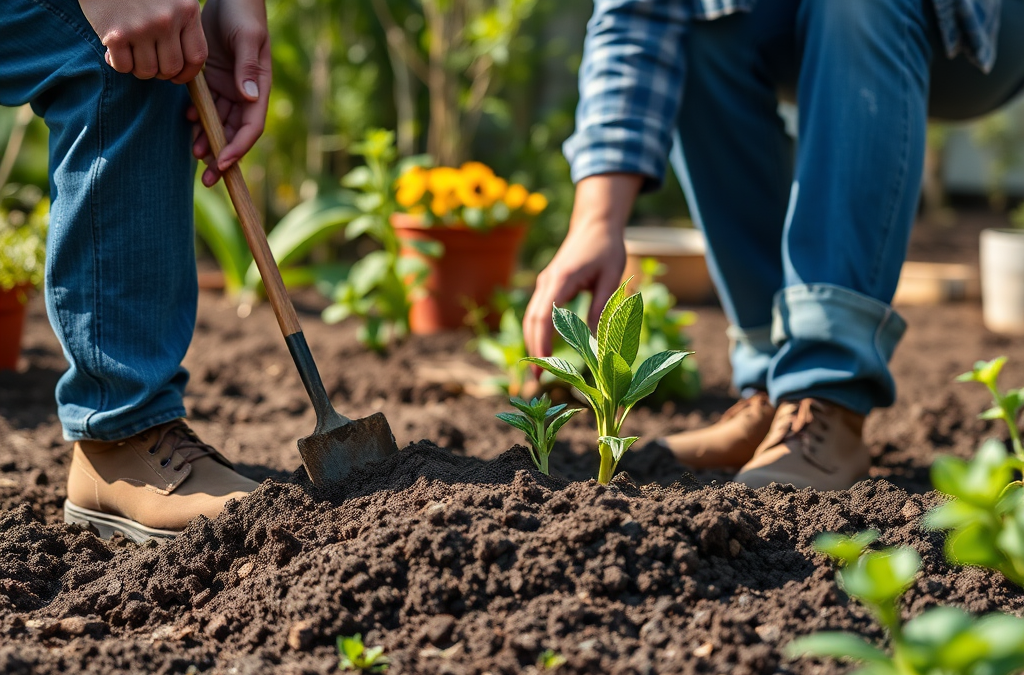
When garden soil is too compacted, the first step is to aerate it using tools like a garden fork or aerator to improve drainage and root growth. Compaction often occurs due to heavy foot traffic or poor soil structure, leading to reduced air and water movement. Following aeration, incorporating organic matter, such as compost or mulch, can enhance soil texture and fertility, while also preventing future compaction. Regular practices like crop rotation and avoiding excessive tilling can further maintain healthy soil structure.
Understanding Soil Compaction
Soil compaction occurs when soil particles are pressed together, reducing the pore spaces that allow air and water to circulate. This phenomenon can significantly hinder plant growth by limiting root development and nutrient uptake. Understanding the causes of soil compaction is crucial for gardeners. It often results from heavy machinery, excessive foot traffic, or even the natural settling of soil over time. Compacted soil can become a barrier for roots and water, leading to poor plant health and decreased yields.
To effectively manage compacted soil, it is essential to recognize its impact on garden health. Compaction can lead to water runoff rather than absorption, which increases erosion and the risk of plant stress during dry periods. Additionally, compacted soil can create an anaerobic environment, making it difficult for beneficial microorganisms to thrive, further exacerbating soil health issues. By understanding these dynamics, gardeners can take proactive steps to mitigate compaction and improve soil conditions.
Signs of Compacted Soil
Identifying compacted soil is crucial for timely intervention. Key signs include poor drainage, the presence of surface puddles, and stunted plant growth. Healthy soil should allow water to permeate and air to circulate freely. If water sits on the surface after rain, it may indicate compaction. Additionally, plants may display signs of stress, such as yellowing leaves or wilting, as their roots struggle to access necessary nutrients and moisture.
Another indicator of compacted soil is the difficulty in digging or tilling the ground. If you notice that your tools struggle to penetrate the soil, this could signify compaction. Soil that crumbles easily when dry, but becomes hard and cloddy when wet, is also a strong indicator of compaction. Regular soil testing can provide further insights into soil structure and compaction levels, helping you make informed decisions about necessary interventions.
Aeration Techniques
Aeration is a vital step in alleviating soil compaction. There are several effective methods for aerating compacted soil. One of the simplest ways is to use a garden fork or a specialized aerator, which can create holes in the soil to promote air and water penetration. For larger areas, a core aerator may be more efficient, as it removes plugs of soil, allowing for greater aeration and the incorporation of organic materials.
Timing is essential for aeration. Early spring or fall are typically the best times to aerate, as soil moisture levels are favorable, and plants are actively growing. Post-aeration, it is beneficial to apply a layer of compost or mulch to enhance soil structure and provide nutrients. Regular aeration, ideally once or twice a year, can help maintain soil health and prevent future compaction.
Improving Soil Structure
Beyond aeration, improving soil structure is critical for long-term health. Adding organic matter, such as compost or well-rotted manure, can enhance soil texture and increase its ability to retain moisture and nutrients. This organic material not only improves aeration but also fosters a thriving ecosystem for beneficial microorganisms.
Incorporating cover crops during the off-season is another effective strategy. Plants like clover or rye can improve soil structure, reduce erosion, and add nutrients back into the soil when tilled under. Additionally, practicing crop rotation can help prevent soil degradation and compaction by varying the root structures and nutrient demands in the soil.
Frequently Asked Questions
What causes garden soil compaction?
Garden soil compaction is primarily caused by heavy foot traffic, the use of heavy equipment, and poor soil structure, often exacerbated by wet conditions.
How can I tell if my soil is compacted?
Signs of compacted soil include poor drainage, difficulty digging, surface puddles, and stunted plant growth.
What are the best methods for aerating compacted soil?
Effective aeration methods include using a garden fork, a core aerator, or a spike aerator to create holes in the soil.
How often should I aerate my garden soil?
Aerating your garden soil once or twice a year is recommended to maintain healthy soil structure and prevent compaction.
What should I add to improve soil structure?
Adding organic matter like compost or well-rotted manure improves soil structure, enhances nutrient retention, and promotes healthy microbial activity.
Conclusion
Addressing soil compaction is essential for maintaining a healthy garden. By recognizing the signs of compaction and implementing aeration techniques, gardeners can significantly improve soil conditions. Regularly adding organic matter and practicing crop rotation will further enhance soil structure and health. Prioritizing these steps will lead to better plant growth, increased yields, and a more resilient garden ecosystem.


