
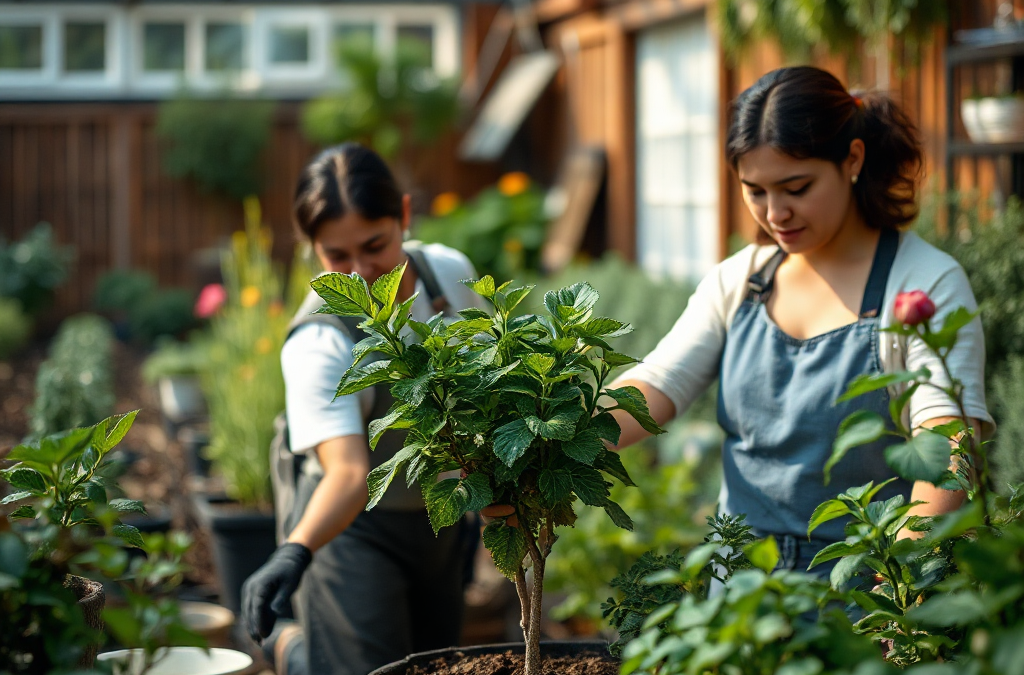
When plants are not thriving, it's essential to assess their environment, watering practices, and nutrient levels. Common issues include inadequate sunlight, inconsistent watering, and nutrient deficiencies. Start by evaluating the plant's location to ensure it receives the right amount of light. Adjust your watering schedule based on the plant's needs, and consider using fertilizers to replenish any missing nutrients. Regularly inspect for pests or diseases that may hinder growth.
Assessing Environmental Factors
Environment plays a critical role in plant health. Factors such as light, temperature, and humidity can significantly influence growth. If plants are not thriving, the first step is to evaluate their environment. Ensure that they are receiving adequate sunlight; most plants require at least 6 hours of direct sunlight daily. If they are indoors, consider rotating them or using grow lights to supplement natural light.
Temperature also affects plant health. Most plants prefer temperatures between 65°F and 75°F. Sudden changes in temperature or exposure to drafts can stress plants, leading to poor growth. Humidity levels should also be monitored, particularly for tropical plants that thrive in humid conditions. Using a humidity meter can help you gauge whether your plants are in a suitable environment.
Watering Practices
Inconsistent watering is a common issue for many gardeners. Overwatering can lead to root rot, while underwatering can cause plants to wilt. Understanding the specific watering needs of your plants is crucial. Check the top inch of soil; if it feels dry, it’s time to water. Use pots with drainage holes to prevent water from accumulating at the bottom.
Additionally, consider the time of day you water. Early morning is typically the best time to water, as it allows plants to absorb moisture before the heat of the day evaporates it. Avoid watering in the evening, as this can lead to fungal diseases due to prolonged moisture on the leaves.
Nutrient Management
Nutrient deficiencies can severely impact plant growth. Essential nutrients include nitrogen, phosphorus, and potassium, along with trace elements like magnesium and iron. Signs of nutrient deficiency can manifest as yellowing leaves, stunted growth, or poor flowering. Conducting a soil test can help identify nutrient levels and inform your fertilization strategy.
When selecting fertilizers, choose one that matches your plant’s needs. For example, a balanced fertilizer (like 10-10-10) is suitable for general use, while specific plants may benefit from specialized formulas. Remember to follow the recommended application rates to avoid nutrient burn, which can further harm your plants.
Identifying Pests and Diseases
Pests and diseases can be detrimental to plant health. Regularly inspect your plants for signs of infestation, such as discolored leaves, holes, or webbing. Common pests include aphids, spider mites, and whiteflies. If you notice any issues, act quickly to treat the problem. Insecticidal soap or neem oil can be effective against many pests.
Diseases can also affect plants, often presenting symptoms like wilting, leaf spots, or mold. Proper air circulation, avoiding overhead watering, and removing affected leaves can help manage diseases. If problems persist, consider consulting a local extension service or gardening expert for assistance.
Frequently Asked Questions
What are common signs that my plant is not thriving?
Common signs include yellowing leaves, wilting, stunted growth, and lack of flowering.
How often should I water my plants?
Watering frequency depends on the plant type, but generally, check the top inch of soil; if it's dry, it's time to water.
What nutrients do plants need for healthy growth?
Plants need macronutrients like nitrogen, phosphorus, and potassium, as well as trace elements like magnesium and iron.
How can I tell if my plant has a pest problem?
Look for signs like discolored leaves, holes, or webbing, which indicate pest infestations.
What should I do if my plant has root rot?
If you suspect root rot, remove the plant from its pot, trim away the damaged roots, and repot it in fresh, dry soil.
Conclusion
Addressing issues when plants are not thriving requires careful assessment of environmental factors, watering practices, nutrient management, and pest control. By evaluating light, temperature, and humidity, maintaining a consistent watering schedule, ensuring proper nutrient levels, and monitoring for pests, you can significantly improve your plants’ health. Taking these steps not only enhances growth but also leads to a more vibrant and flourishing garden.


