
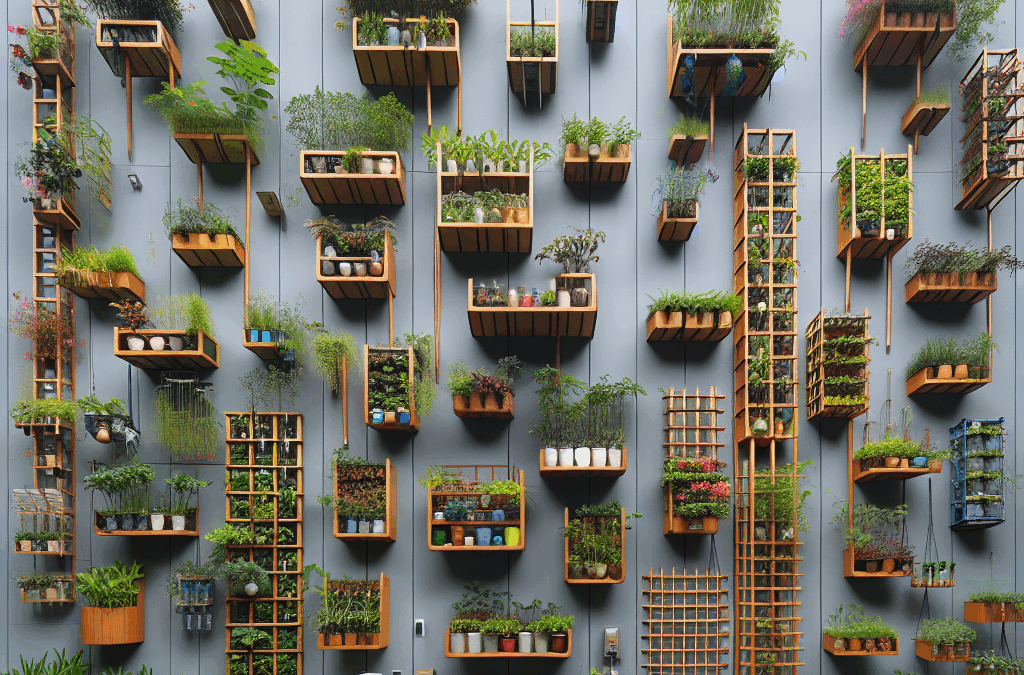
The most fragrant flowers for a backyard cutting garden encompass a variety of species that not only beautify your space but also fill it with delightful aromas. Sweet peas, gardenias, and stock are among the top choices, renowned for their intense scents that enhance any bouquet. Incorporating these flowers into your garden can create an aromatic experience that elevates your floral arrangements and outdoor enjoyment.
When selecting fragrant flowers, consider your local climate and growing conditions, as these factors significantly influence their fragrance intensity and bloom duration. For instance, sweet peas thrive in cooler temperatures and require support to climb, while gardenias prefer warmer climates and well-drained, acidic soil. Understanding the specific needs of each flower will help you make informed choices, ensuring your garden blooms beautifully while emitting captivating scents.
Top Fragrant Flowers for Cutting Gardens
Choosing the right flowers is crucial for a fragrant cutting garden. Some of the most aromatic options include:
- Sweet Peas: Known for their sweet scent, they come in various colors and are perfect for spring bouquets.
- Gardenias: These evergreen shrubs produce creamy white flowers with a strong, sweet fragrance that is irresistible.
- Stock: Often used in floral arrangements, stock flowers have a clove-like scent that adds depth to any bouquet.
- Roses: Many varieties, especially old-fashioned ones, offer a rich fragrance that is timeless and classic.
- Lavender: Not only does it smell wonderful, but it also attracts pollinators and can be used in cooking and crafting.
Each of these flowers contributes unique scents and colors, making them excellent choices for a cutting garden. When combined, they create an aromatic experience that can transform your home and garden.
Tips for Growing Fragrant Flowers
Successful cultivation of fragrant flowers requires attention to specific growing conditions. Start by selecting a sunny location, as most fragrant flowers thrive in full sunlight. Ensure that the soil is well-drained, as excessive moisture can lead to root rot and diminish fragrance. Additionally, regular watering and fertilization tailored to the needs of each flower type will promote healthy growth and vibrant blooms.
Another important consideration is the timing of planting. Many fragrant flowers have specific seasons in which they thrive, so researching the best planting times for your chosen varieties will ensure that you maximize their blooming potential. For example, sweet peas are best sown in early spring, while gardenias should be planted after the last frost.
Maintaining Aroma and Health
To keep your fragrant flowers healthy and aromatic, regular maintenance is essential. This includes deadheading spent blooms to encourage new growth and prevent the plant from draining energy into seed production. Additionally, watch for pests and diseases that can impact the health of your flowers. Implementing organic pest control methods can help maintain a healthy garden without compromising the fragrance of your blooms.
Consider companion planting as well, as certain plants can enhance the growth and fragrance of others. For instance, planting lavender alongside roses can deter pests while enhancing their scent. Furthermore, ensuring that your flowers have adequate air circulation will help prevent fungal diseases that can impair their aroma.
Frequently Asked Questions
What are the best fragrant flowers for cutting?
Some of the best fragrant flowers for cutting include sweet peas, gardenias, stock, roses, and lavender, each offering unique scents and beauty.
How do I grow fragrant flowers?
To grow fragrant flowers, choose a sunny location with well-drained soil, water regularly, and fertilize based on the specific needs of each type.
When should I plant fragrant flowers?
The planting time for fragrant flowers varies; for example, sweet peas should be planted in early spring, while gardenias thrive when planted after the last frost.
How can I maintain the fragrance of my flowers?
Maintaining fragrance involves regular deadheading, ensuring proper air circulation, and monitoring for pests and diseases that could affect flower health.
Can companion planting help with fragrant flowers?
Yes, companion planting can enhance growth and fragrance; for example, planting lavender near roses can deter pests while boosting their scent.
Conclusion
Incorporating fragrant flowers in your backyard cutting garden not only elevates the aesthetic appeal but also enriches your sensory experience. Prioritizing the right varieties, understanding their growing needs, and maintaining their health are key to achieving a successful and aromatic garden. By carefully planning your planting and care regimen, you’ll be rewarded with stunning, fragrant blooms that enhance your home and garden throughout the growing season.


