
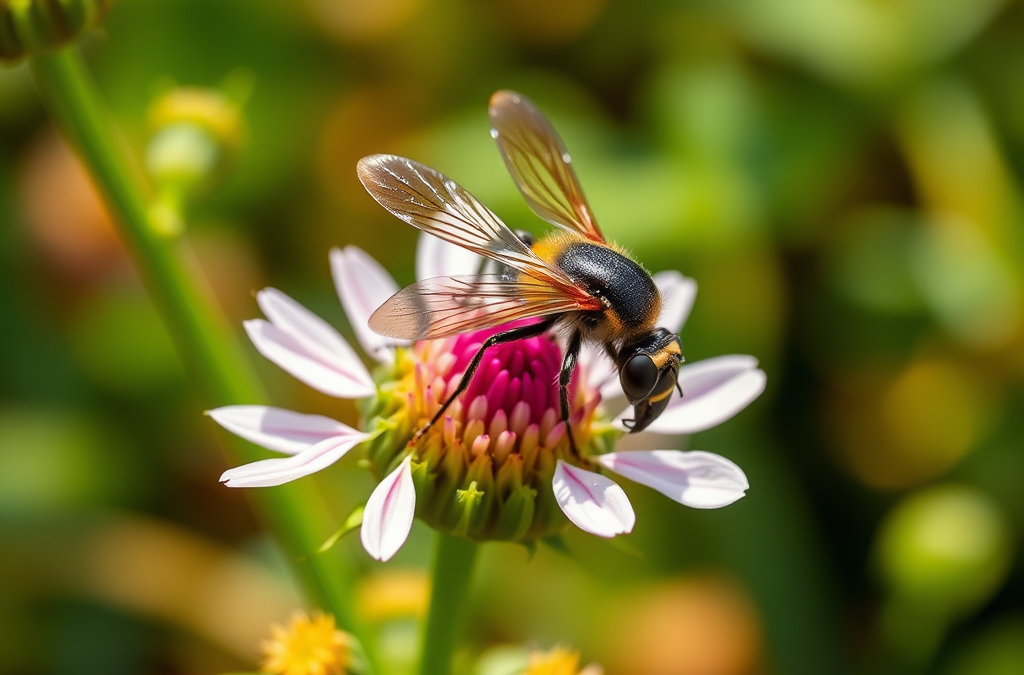
To attract beneficial insects to your garden, focus on planting a variety of native flowers that provide essential nectar and pollen. Incorporating herbs like dill and fennel can also draw in predatory insects, enhancing natural pest control. Create habitats by adding insect hotels and maintaining a water source, which fosters a welcoming environment. Avoiding pesticides is crucial, as it allows these helpful insects to thrive, ultimately leading to a healthier garden ecosystem and reduced reliance on chemical interventions.
The Importance of Beneficial Insects
Beneficial insects play a crucial role in maintaining a healthy garden ecosystem. They aid in pollination, control pest populations, and contribute to soil health. Pollinators like bees and butterflies help plants reproduce by transferring pollen, while predatory insects such as ladybugs and lacewings keep harmful pests like aphids in check. Understanding their importance emphasizes the need to create an environment that attracts these helpful creatures.
Common misconceptions often lead gardeners to overlook the value of these insects, mistakenly believing that all insects are pests. However, a diverse insect population can significantly enhance plant health and yield. Fostering beneficial insects can lead to less reliance on chemical pesticides, resulting in a more sustainable gardening approach.
Choosing the Right Plants
Plant selection is fundamental in attracting beneficial insects. Native plants are particularly effective because they have co-evolved with local insect populations, offering the right food and habitat. Flowers such as goldenrod, coneflowers, and black-eyed Susans are excellent choices as they provide nectar and pollen. These plants bloom at various times throughout the growing season, ensuring a continuous food source.
In addition to flowering plants, incorporating herbs like dill, fennel, and cilantro can attract beneficial insects. These herbs not only serve culinary purposes but also draw in predatory insects that help control pest populations. A well-planned garden that includes a mix of flowers and herbs can significantly enhance biodiversity, leading to a more resilient ecosystem.
Creating Habitats for Beneficial Insects
Creating habitats is essential for sustaining beneficial insects. Simple additions like insect hotels, which provide nesting sites, can encourage solitary bees and other beneficial insects to settle in your garden. These structures can be made from natural materials such as wood, bamboo, and straw, creating safe spaces for insects to reproduce and thrive.
Moreover, leaving some areas of your garden undisturbed, like a small patch of wildflowers or a brush pile, can provide shelter and breeding grounds. Mulching not only conserves moisture but also offers habitats for ground-dwelling insects. Water sources, like shallow dishes filled with pebbles and water, can also attract beneficial insects, ensuring they have everything they need to flourish.
Best Practices to Maintain a Healthy Ecosystem
Maintaining a healthy ecosystem involves several best practices. Firstly, avoid using chemical pesticides, as they can harm beneficial insects alongside the target pests. Instead, consider organic alternatives or integrated pest management (IPM) strategies that minimize harm to non-target species.
Regularly monitoring your garden allows you to identify pest problems early and take action before they escalate. Encouraging biodiversity by planting a variety of species can also enhance resilience against pests and diseases. Crop rotation and companion planting are additional techniques that promote a balanced garden ecosystem.
Frequently Asked Questions
What are beneficial insects?
Beneficial insects include pollinators like bees and butterflies, as well as predatory insects such as ladybugs and lacewings, which help control pest populations.
How can I attract bees to my garden?
Plant native flowers that bloom at different times, provide water sources, and avoid pesticides to create a welcoming environment for bees.
Why is it important to avoid pesticides?
Avoiding pesticides is crucial because they can kill beneficial insects along with pests, disrupting the natural ecosystem and leading to increased pest problems.
What plants are best for attracting beneficial insects?
Native flowering plants such as coneflowers, sunflowers, and various herbs like dill and fennel are excellent for attracting beneficial insects.
How do I create a habitat for beneficial insects?
Build insect hotels, leave some areas undisturbed, and provide water sources to create habitats that support beneficial insects.
Conclusion
Attracting beneficial insects to your garden is a vital step towards creating a thriving ecosystem. By choosing the right plants, providing habitats, and implementing best practices like avoiding pesticides, you can cultivate a welcoming environment for these essential helpers. Focus on maintaining biodiversity, monitoring pest populations, and creating a balanced ecosystem to ensure the long-term health of your garden. With these strategies, you can enhance not only your garden’s productivity but also contribute positively to the surrounding environment.


