
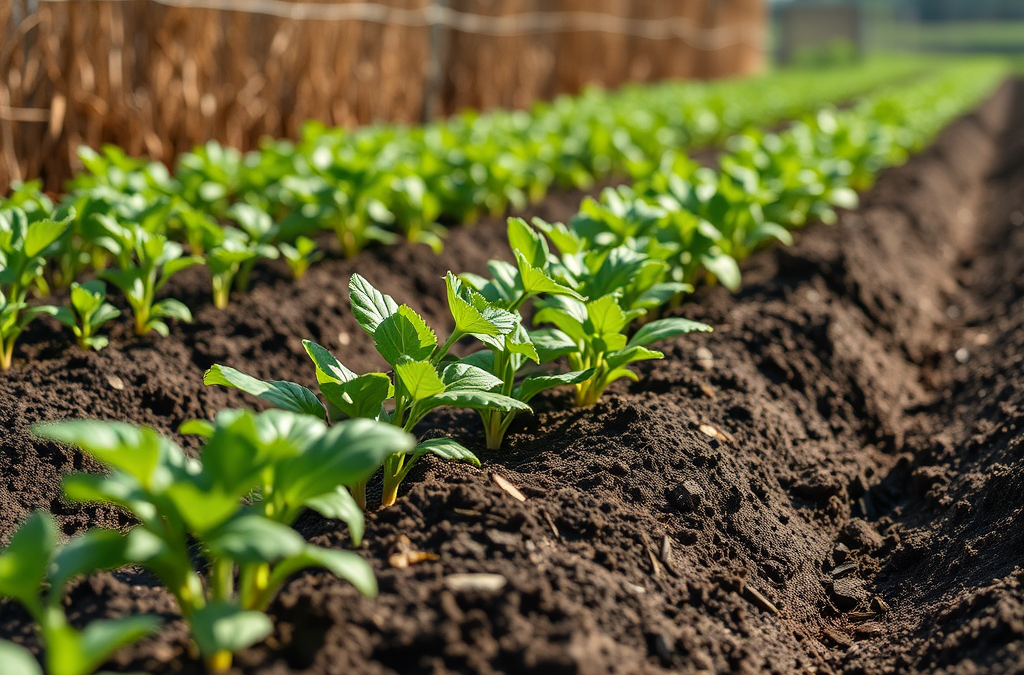
Crops that thrive in poor soil conditions include legumes like clover and peanuts, root vegetables such as carrots and turnips, and resilient grains like millet and sorghum. These plants are well-adapted to nutrient-deficient environments and can even enhance soil quality over time. For instance, legumes fix nitrogen, enriching the soil for future crops. Choosing these hardy varieties not only ensures successful growth in challenging conditions but also contributes to long-term soil health, making them ideal for sustainable gardening practices.
Understanding Poor Soil Conditions
Poor soil conditions refer to soils that are low in nutrients, have poor drainage, or are heavily compacted. These factors can significantly hinder plant growth and yield. Understanding these conditions is crucial for selecting crops that can thrive despite adversity. Poor soil can result from various factors, including erosion, over-farming, or natural soil degradation. By identifying the specific limitations of your soil, you can choose crops suited to these challenging environments and even improve soil health over time.
One common misconception is that all crops require rich, fertile soil to grow successfully. However, many plants have evolved to thrive in less-than-ideal conditions and can even contribute to soil improvement. For instance, certain crops can fix nitrogen in the soil, enhancing its fertility for future planting.
Legumes: Nature’s Soil Improvers
Legumes, such as clover, peanuts, and beans, are among the best crops for poor soil conditions. These plants have a unique ability to fix atmospheric nitrogen in their root nodules, enriching the soil for themselves and subsequent crops. This nitrogen fixation can significantly improve soil fertility over time, making legumes a valuable choice for crop rotation.
For example, clover is often used as a cover crop in fields with depleted soil. When plowed back into the ground, it decomposes and adds organic matter and nutrients back into the soil, enhancing its structure and fertility. Furthermore, legumes are often drought-resistant, making them suitable for areas with variable rainfall.
However, it’s essential to recognize that while legumes can improve soil conditions, they also require adequate moisture to establish roots and grow effectively. Ensuring proper irrigation, especially in dry regions, can lead to successful cultivation of these crops.
Root Vegetables: Resilience in Action
Root vegetables like carrots, turnips, and beets are excellent choices for poor soil conditions. These crops are typically less demanding in terms of soil quality and can thrive in sandy or rocky soils where other plants may struggle. The deep taproots of these vegetables allow them to access moisture and nutrients that are unavailable to shallow-rooted plants.
Carrots, for instance, can grow in compacted soil where many other crops fail. Their ability to penetrate deeper into the earth allows them to find water during dry spells, making them resilient options for gardens with poor drainage. Additionally, root vegetables can help break up compacted soil, improving aeration and water infiltration for future crops.
However, it’s important to monitor for pests and diseases, as root vegetables can be susceptible to certain soil-borne ailments. Regular crop rotation and soil testing can help manage these risks effectively.
Grains and Cover Crops: Sustaining Growth
Grains such as millet and sorghum are also well-suited for poor soil conditions. These crops are drought-resistant and can grow in low-fertility soils, making them ideal for regions prone to dry spells. Millet, for example, is a highly resilient grain that requires minimal nutrients and can thrive in various soil types.
Cover crops, including rye and buckwheat, play a crucial role in improving soil health. These crops are typically planted during the off-season to prevent erosion, suppress weeds, and enhance soil structure. When tilled into the soil, they add organic matter and nutrients, benefiting subsequent crops.
While these grains and cover crops can be advantageous, it’s essential to manage them properly. Ensuring they do not become invasive and monitoring their growth can help maintain balance in your planting schedule.
Frequently Asked Questions
What types of crops are best for poor soil?
Legumes, root vegetables, and drought-resistant grains are best for poor soil, as they require fewer nutrients and can improve soil health.
How do legumes improve soil health?
Legumes fix atmospheric nitrogen in their roots, enriching the soil and enhancing fertility for subsequent crops.
Can root vegetables grow in compacted soil?
Yes, many root vegetables can penetrate compacted soil, accessing moisture and nutrients deeper in the ground.
What are cover crops used for?
Cover crops prevent erosion, suppress weeds, and improve soil structure when tilled back into the soil.
How can I improve my poor soil for future planting?
Incorporate organic matter, rotate crops, and use cover crops to enhance soil fertility and structure over time.
Conclusion
Selecting crops that thrive in poor soil conditions is essential for sustainable gardening and farming. By understanding the specific challenges of your soil, you can choose resilient crops like legumes, root vegetables, and grains that not only survive but also contribute to soil health. Implementing practices such as crop rotation and incorporating organic matter can further enhance your soil’s fertility, leading to better yields and healthier plants in the long run.
Further Reading
Authoritative Sources
- Plants That Grow in Poor Soil: 25 Resilient Choices ... - LifeTips
lifetips.alibaba.comThe most reliable plants that grow in poor soil include common yarrow ( Achillea millefolium), purple coneflower ( Echinacea purpurea), Russian ...
- Millets: The future crops for the tropics - PMC - NIH
pmc.ncbi.nlm.nih.govLong-lasting and extremely resilient, they can thrive on poor soils and with little rain, and they respond well to better agronomic techniques.
- Outdoor Gardens: Resilient Plants and Crops for Harsh ...
vegogarden.comConeflower: A resilient perennial with daisy-like flowers that blooms from late spring to early fall, thriving in poor soil conditions like ...
- Plants That Thrive in Poor Soil - Nursery Near Me
nurserynearme.com.auWestringia (Coastal Rosemary). This hardy shrub tolerates poor soils, coastal conditions and drought. Best for: Low hedges and coastal gardens.


