
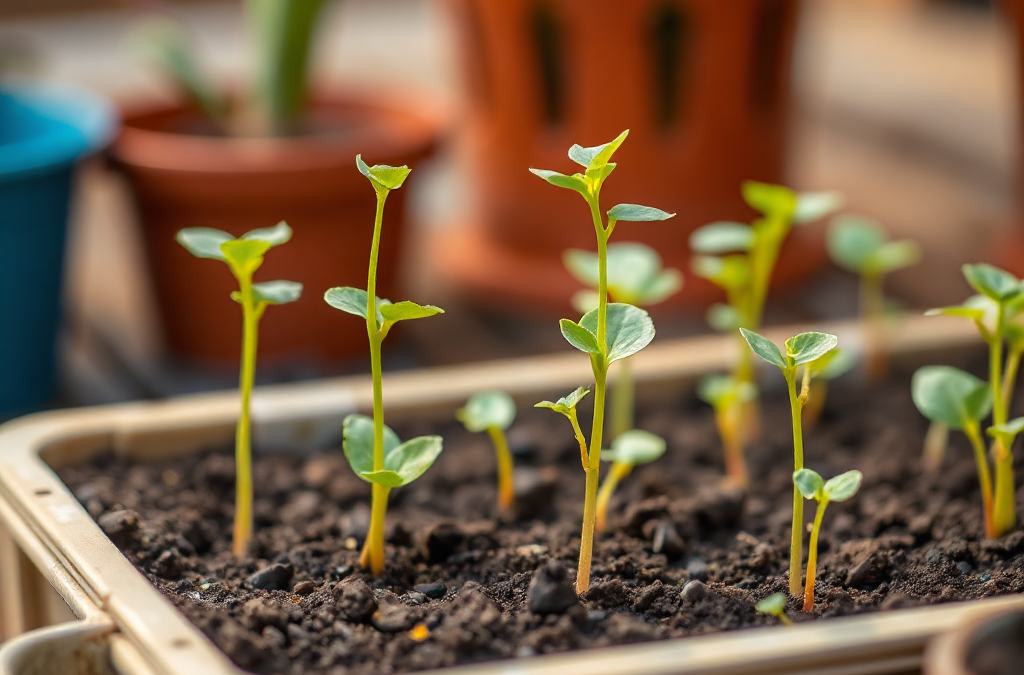
When seedlings are leggy, it's crucial to address the issue by providing adequate light, ensuring proper watering, and considering potting depth. Legginess often results from insufficient light, leading seedlings to stretch towards the light source. To resolve this, use grow lights or relocate seedlings to sunnier spots. Additionally, avoid overwatering, which can weaken stems, and transplant them deeper to encourage stronger root growth. Proper care will help develop robust seedlings.
Understanding Legginess in Seedlings
Legginess in seedlings is a common issue characterized by elongated stems and sparse leaves, often resulting from inadequate light exposure. When seedlings do not receive enough light, they tend to grow taller to reach for it, leading to weak and spindly growth. This condition can be detrimental to their overall health and viability, making it essential for gardeners to recognize the signs and take corrective action promptly.
One of the primary causes of leggy seedlings is the distance from a light source. Seedlings that are placed too far from natural sunlight or fluorescent lights will stretch towards the light, resulting in elongated stems. Additionally, the type of light used plays a significant role; for instance, warm or insufficient light may exacerbate the problem. A common misconception is that seedlings only need light for a few hours a day, but many plants thrive best with 12-16 hours of light daily.
Another factor contributing to legginess is the type of plants being grown. Some varieties, especially those that are naturally tall or vine-like, may be more prone to leggy growth. Understanding the specific needs of the seedlings being cultivated helps in creating an optimal growing environment.
Light Requirements for Healthy Seedlings
Providing adequate light is crucial for preventing leggy seedlings. Grow lights are often recommended for indoor gardening, as they can provide the intensity and spectrum of light that plants need for robust growth. LED grow lights are particularly effective due to their energy efficiency and adjustable settings.
When using grow lights, positioning is key. The lights should be placed close to the seedlings—typically 2-6 inches above the plants—to ensure they receive sufficient light without causing heat stress. It’s essential to monitor the seedlings for signs of stress, such as leaf curling or discoloration, which can indicate that the light is either too close or too far.
For outdoor seedlings, careful placement is necessary. Ensure that they are located in an area that receives full sun for at least part of the day. If natural light is limited, consider using reflective materials around the seedlings to maximize light exposure.
Watering Practices to Prevent Legginess
Watering practices also play a significant role in the health of seedlings. Overwatering can lead to weak stems and leggy growth, as seedlings may struggle to support themselves in overly saturated soil. It is crucial to allow the top layer of soil to dry out slightly before watering again; this encourages deep root growth and strengthens the seedlings.
To determine when to water, check the soil moisture by inserting a finger about an inch deep into the soil. If it feels dry, it’s time to water. Using a moisture meter can also provide more precise readings. When watering, aim to provide enough moisture to saturate the soil without creating standing water, which can lead to root rot.
Another common mistake is using containers that are too large for young seedlings. Larger pots hold more soil and retain more moisture, which can lead to overwatering. Starting seedlings in smaller pots and transplanting them as they grow helps ensure that they receive the right amount of moisture.
Transplanting Techniques for Stronger Growth
Transplanting leggy seedlings supports their stability and overall growth. If seedlings have become too tall and spindly, consider repotting them deeper into the soil. This technique allows the new soil to support the stem, promoting stronger root development. When transplanting, gently remove the seedlings from their current container and bury them up to the first set of true leaves.
After transplanting, water the seedlings lightly to help them settle into their new environment. It’s crucial to monitor them closely after this process, as they may experience some transplant shock. Providing them with adequate light and moisture during this recovery period is vital to ensure they bounce back.
Additionally, using a support system, such as small stakes or a trellis, can help stabilize leggy seedlings while they strengthen. This is particularly useful for taller varieties that may struggle to stand upright.
Frequently Asked Questions
What causes seedlings to become leggy?
Seedlings become leggy primarily due to insufficient light, causing them to stretch towards the light source.
How can I prevent my seedlings from getting leggy?
To prevent legginess, ensure seedlings receive adequate light for 12-16 hours daily and maintain proper watering practices.
Is it possible to fix leggy seedlings?
Yes, leggy seedlings can be fixed by providing more light, watering appropriately, and transplanting them deeper into the soil.
What type of light is best for seedlings?
Full-spectrum grow lights, especially LEDs, are ideal for seedlings as they provide the necessary light spectrum for growth.
When should I transplant leggy seedlings?
Transplant leggy seedlings as soon as they are tall enough to support themselves, ideally when they reach 2-3 inches in height.
Conclusion
Addressing leggy seedlings requires prompt action to ensure their healthy development. By providing adequate light, practicing proper watering techniques, and considering transplanting methods, gardeners can significantly improve the strength and resilience of their seedlings. Monitoring growth and adjusting care as needed will help cultivate robust plants that thrive in the garden. Remember, a proactive approach will yield the best results in preventing and fixing legginess.


