
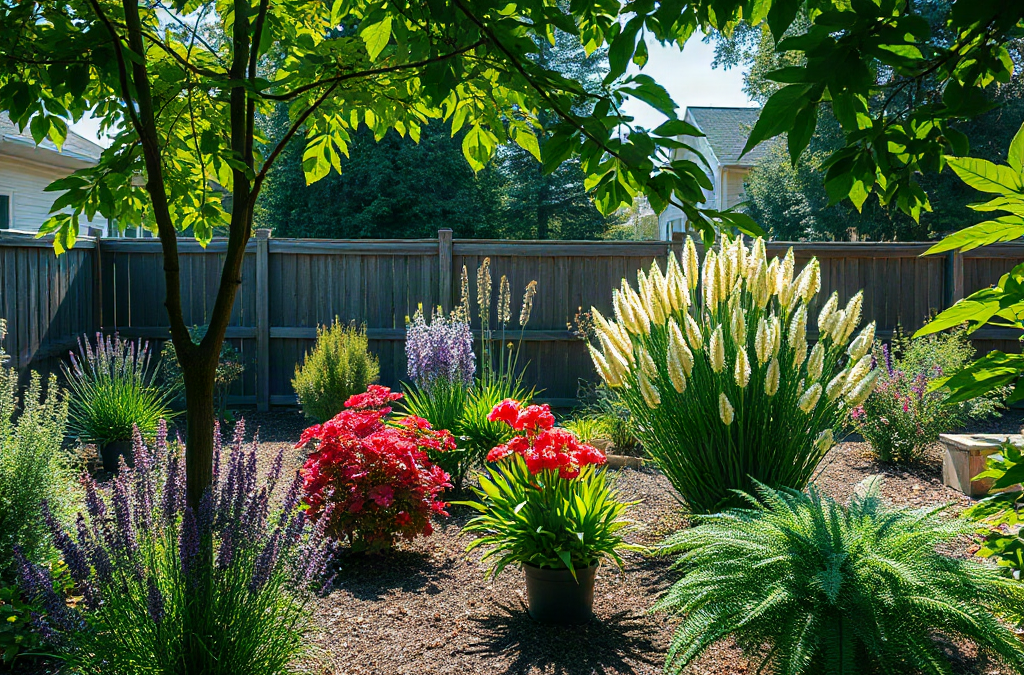
When your garden has too much shade, measure where direct sun actually falls, identify whether trees, buildings, or dense planting create it, and match each bed to plants that tolerate those light levels. Prune only safe, appropriate branches, use pale surfaces to reflect available light, and relocate sun-dependent vegetables rather than expecting fertilizer to compensate. Improve airflow and water according to soil moisture because shaded ground dries slowly and can encourage slugs or leaf disease. Treat deep, dry tree shade differently from moist building shade, then judge changes by new growth, flowering, stem strength, and the hours of usable sunlight the site receives.
Measure the Shade Before Changing the Garden
Shade should be measured across a full day rather than judged from a single observation. A bed that looks dim at breakfast may receive several hours of strong afternoon sun, while an apparently bright area beneath a tree may receive only scattered light. Check the site in the morning, around midday, and during late afternoon. Repeat the observation in more than one season if trees or nearby structures cast changing shadows.
Record direct sunlight separately from bright, indirect light. Full-sun crops generally need a substantial daily period of unobstructed sunlight, while many leafy crops and woodland ornamentals can use shorter or filtered exposure. Reflected brightness does not equal direct sun, but it may be enough for foliage plants that do not need intense light to flower or produce fruit. A simple sketch showing the sunny intervals in each bed is usually more useful than labeling the entire property “shady.”
The source of shade changes the growing conditions. A north-facing wall often produces cool, predictable shade with relatively little root competition. A mature tree creates moving shade while its roots compete for moisture and nutrients. Evergreen trees may produce dense, year-round shade and intercept rainfall, leaving the ground beneath them surprisingly dry. A narrow space between buildings can combine low light with poor air movement and persistently damp soil.
Plant symptoms can confirm the light assessment, although they should not replace it. Stretched stems, wide spacing between leaves, weak growth leaning toward an opening, sparse flowering, and poor fruit set commonly indicate inadequate light. Yellow foliage may also result from saturated soil, nutrient problems, or root damage, so adding fertilizer without checking moisture and exposure can worsen the situation.
A useful first record includes:
- Hours of direct sun: Note when sunlight begins and ends.
- Shade source: Identify buildings, fences, tree canopies, or crowded plants.
- Soil condition: Check whether the root zone is dry, evenly moist, or waterlogged.
- Seasonal change: Account for deciduous leaves and the lower winter sun angle.
This assessment prevents the common mistake of replacing plants repeatedly without correcting the mismatch between their needs and the site.
Decide Whether to Reduce, Reflect, or Accept Shade
Not every shaded garden needs more sunlight. The sensible choice depends on what casts the shadow, whether it can be changed safely, and what you want to grow. If the shade comes from a temporary screen, overgrown hedge, or congested shrub, selective thinning may restore useful light. Shade from a neighboring building or healthy mature tree is usually better treated as a fixed site condition.
Begin with reversible changes. Move containers to the brightest edge of the property, shorten an overgrown hedge where local rules permit, and remove dead or crossing growth from shrubs. Cleaning a translucent greenhouse panel or moving a solid storage item can make a meaningful difference without altering the permanent landscape. For established trees, pruning should protect tree structure rather than merely opening a large hole in the canopy. Heavy topping damages trees, produces weak regrowth, and may create safety problems; substantial limb work belongs with a qualified arborist.
Light-colored walls, fences, paving, or gravel can redirect some ambient light into a dim space. This works best in a courtyard or beside a wall where the reflected light has a short path to the plants. It cannot turn deep shade into full sun, and reflective surfaces may add heat or glare. Painting or cladding a boundary should also account for ownership, neighborhood restrictions, and the comfort of people using the space.
Relocation often produces better results than trying to remake the site. Tomatoes, peppers, squash, roses, lavender, and many heavy-flowering annuals are poor candidates for a persistently shaded bed. Place them in containers on a sunny patio, driveway edge, balcony, or other open position if one is available. Reserve the darker bed for compatible foliage plants, woodland flowers, paths, seating, or habitat features.
When considering what to do when your garden has too much shade, avoid treating tree removal as the automatic solution. A mature canopy may cool the home, shelter wildlife, slow rainfall, and provide privacy. Compare those benefits with the value of gaining a sunny planting area before making an irreversible decision.
Choose Plants for the Actual Light and Soil Conditions
Successful shade planting depends on moisture and root competition as much as light. A plant labeled for shade may thrive in moist woodland soil yet struggle beneath a water-hungry maple or dense evergreen. Read plant labels for both exposure and moisture preferences, then compare them with the conditions measured in the bed.
For edible planting, prioritize crops grown for leaves, stems, or roots rather than fruits. Lettuce, spinach, arugula, kale, chard, parsley, cilantro, mint, and chives can tolerate some shade, although growth may be slower and yields smaller than in brighter positions. A bed receiving morning sun and afternoon shade may be particularly useful for leafy greens during warm weather because reduced afternoon heat can delay wilting or premature flowering. Fruiting crops generally need the brightest location available; weak flowering and low yields are predictable when tomatoes or cucumbers receive only dim, filtered light.
Ornamental choices vary with climate, but hostas, many ferns, heucheras, hellebores, epimedium, and certain sedges are commonly used in partial or full shade. Plant selection should be checked against local winter temperatures, summer heat, soil drainage, and invasive-plant guidance. Deep shade limits flowering even among shade-tolerant species, so build visual interest through contrasting leaf size, texture, shape, and color rather than relying entirely on blooms.
Dry shade needs a more cautious establishment strategy. Tree roots may occupy most of the upper soil, making large planting holes disruptive and difficult to dig. Use small transplants placed between major roots instead of cutting roots or adding a deep layer of soil over them. A thin organic mulch can moderate moisture loss, but piling soil or mulch against a trunk can damage bark and alter root-zone oxygen.
Dense planting is another frequent failure. Small plants may look widely spaced at first, tempting gardeners to fill every gap. As foliage expands, limited airflow encourages prolonged leaf wetness and creates shelter for slugs and snails. Follow mature spacing, remove badly crowded specimens, and keep foliage away from walls where air is already restricted. A shade garden should look intentionally layered, not packed so tightly that plants compete for every opening.
Manage Water, Airflow, and Competition in Shaded Beds
Shaded soil does not follow one moisture pattern. Building shade commonly slows evaporation, while tree shade may stay dry because roots and foliage capture water before it reaches smaller plants. Watering on a fixed calendar ignores that difference. Push a finger or narrow trowel into the root zone and water when the soil is becoming dry at the depth occupied by the plant’s active roots.
Apply water to the soil rather than routinely wetting leaves. Morning irrigation gives accidental splashes time to dry, and slow watering helps moisture enter compacted or root-filled ground instead of running away. Check again after watering: soil beneath a thick canopy can remain dry even after light rain or brief sprinkler use. Conversely, a bed beside a wall or downspout may stay saturated long after the surface appears normal.
Adding fertilizer cannot replace missing sunlight. Plants use light to power growth, so feeding a light-starved specimen may produce soft, weak foliage without correcting sparse flowering or leaning stems. Add compost only where it can be incorporated without injuring tree roots, and base stronger fertilizer applications on plant needs or a soil test. Deeply cultivating under mature trees can sever feeder roots and create more problems than it solves.
Low light, damp surfaces, and crowded foliage can increase slug damage and some leaf diseases. Remove decaying leaves, thin congested growth, and avoid placing plants directly against an impermeable wall. Inspect the undersides of leaves and sheltered pot rims rather than assuming every hole is a light problem. If foliage develops spots or mildew, identify the issue before applying a treatment; improved spacing and drier leaves may be more useful than routine spraying.
Signs that management is working include compact new growth, leaves holding their normal color, steady establishment, and flowering consistent with the species. Persistent stretching, repeated stem collapse, slow soil drying, crown rot, or continued failure to bloom indicates that the site remains unsuitable. At that point, moving the plant is generally more effective than adding amendments. The same principle applies throughout what to do when your garden has too much shade: correct the limiting condition rather than treating its symptoms.
Use a Practical Shade-Garden Recovery Plan
A staged recovery plan protects established plants and shows whether small changes are enough. Start during the growing season, when the movement of shade and the response of foliage are easiest to observe. Avoid removing healthy plants until you know whether their difficulty comes from light, moisture, crowding, or a combination of those pressures.
- Map the light for one clear day. Mark direct sun, filtered light, and continuous shade at several times.
- Check soil moisture in each zone. Compare areas under trees, beside walls, and near drainage outlets.
- Rank existing plants by light demand. Move fruiting vegetables and heavy bloomers first; keep adaptable foliage plants in place.
- Make modest structural changes. Thin safe shrub growth, clear movable obstructions, and consult an arborist for significant tree work.
- Replant for the site. Match new plants to light, drainage, climate, and root competition rather than using shade tolerance alone.
- Review growth after several weeks and again next season. Look for stronger stems, healthier foliage, appropriate flowering, and fewer moisture-related problems.
Containers provide a useful test before redesigning a whole bed. Place a potted shade-tolerant plant in the proposed position and monitor its growth and soil moisture. Containers can also bring sun-loving crops into isolated pockets of light, but they dry differently from nearby ground and may need separate watering. Lightweight pots are easier to move as seasonal shadows shift.
For an area that receives virtually no usable light, a planted solution may not be realistic. A permeable path, bench, leaf-mold area, or restrained layer of mulch can be more durable than repeatedly replacing declining plants. Artificial turf and impermeable paving may create drainage, heat, or tree-root concerns, so assess those effects before covering the soil.
The common mistake is attempting every remedy at once. Major pruning, extra fertilizer, deeper watering, and complete replanting performed together make it impossible to identify what helped or caused harm. Change the safest variables first, document the response, and reserve irreversible work for conditions that cannot be improved through plant selection or relocation.
Frequently Asked Questions
How many hours of sunlight does a shaded garden receive?
Measure direct sun at several times during a clear day. A shaded bed may receive no direct light, brief filtered light, or several useful morning hours, and those differences determine which plants are realistic.
Can mirrors increase light in a shady garden?
Mirrors can create glare, concentrated heat, breakage hazards, and confusing reflections for birds. Pale walls or fences usually diffuse available light more safely, although they cannot substitute for direct sun.
Which vegetables grow best with limited sun?
Leafy crops and herbs such as lettuce, spinach, kale, chard, parsley, and chives are more adaptable than tomatoes or squash. Expect slower growth where exposure is brief or heavily filtered.
Should grass be replaced in deep shade?
If turf remains thin despite suitable mowing and soil care, replace it with locally appropriate shade plants, mulch, or a permeable path. Avoid piling mulch around tree trunks.
Will pruning a tree solve excessive garden shade?
Selective professional pruning may admit more filtered light, but drastic canopy removal harms tree structure and does not remove root competition. Have substantial limbs assessed by a qualified arborist.
Conclusion
A productive response to excessive shade begins with a map of direct sun, soil moisture, and the object casting the shadow. Preserve valuable trees and permanent structures unless the benefits of change clearly outweigh their functions. Move high-light vegetables and flowering plants to brighter ground or containers, then use the darker areas for species suited to the site’s moisture, climate, and root competition.
Make one set of changes at a time and watch the resulting growth. Compact stems, stable leaf color, appropriate flowering, and balanced soil moisture indicate progress; stretching, rot, and repeated failure point to a continuing mismatch. If even shade-adapted plants struggle, convert the darkest ground to a path, seating area, or mulched space rather than forcing an unsuitable planting scheme.


