
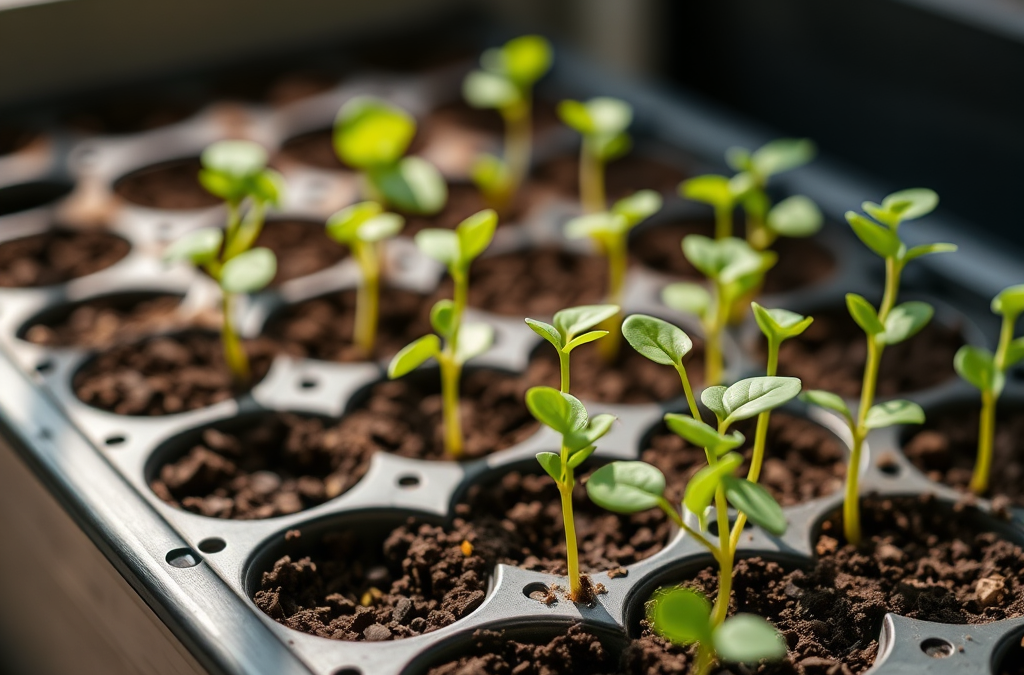
Healthy seedlings should have robust stems, vibrant green leaves, and a well-established root system. Look for uniform growth patterns, which indicate they are receiving adequate light, water, and nutrients. Be cautious of seedlings with yellowing leaves or stunted growth, as these signs suggest potential issues that could hinder their development. Always check the root system when possible, as a strong root network is essential for the plant's future success in the garden. Avoid choosing seedlings based solely on their appearance; consider their overall health and suitability for your growing conditions.
Key Characteristics of Healthy Seedlings
Healthy seedlings are the foundation of a successful garden. They should have strong, sturdy stems that can support the plant as it grows. The leaves should be vibrant green, indicating that the plant is receiving adequate light and nutrients. Additionally, a well-developed root system is crucial for the uptake of water and nutrients. Seedlings that exhibit these characteristics are more likely to thrive once transplanted into the garden.
To ensure that seedlings are healthy, observe their growth pattern. Uniform growth indicates that the seedlings are receiving consistent care, including appropriate light, water, and nutrients. For instance, if seedlings are leggy or stretched out, it may be a sign that they are not getting enough light. In contrast, seedlings that are too compact may be overcrowded and competing for resources.
Common Mistakes When Selecting Seedlings
One common mistake gardeners make is choosing seedlings based solely on appearance. While it’s important to look for vibrant colors and strong stems, other factors must be considered. For example, seedlings that look healthy above the soil may have underdeveloped roots. Inspecting the root system, if possible, can provide valuable insight into the seedling’s health.
Another mistake is overlooking the variety of the seedlings. Not all seedlings are created equal, and some may be more suited to specific growing conditions than others. Researching the particular needs of the varieties you are interested in will help you select the best seedlings for your garden environment.
Signs of Stress in Seedlings
Recognizing signs of stress in seedlings is essential for intervention and proper care. Yellowing leaves are one of the first indicators that something is wrong, often suggesting nutrient deficiencies or overwatering. If seedlings display wilting or drooping, it may indicate that they are either too dry or suffering from root rot.
Pest infestations can also stress seedlings, leading to stunted growth and discolored leaves. Common pests like aphids or spider mites can quickly damage young plants. Regularly inspecting seedlings for pests allows for early detection and treatment, which is crucial for maintaining healthy plants.
Best Practices for Growing Healthy Seedlings
To cultivate healthy seedlings, start with high-quality seeds and a suitable growing medium. A lightweight, well-draining potting mix is ideal for seed starting. Ensure that seedlings receive adequate light, ideally 12-16 hours a day, to promote photosynthesis and robust growth. If using artificial lights, keep them at an appropriate distance to prevent leggy growth.
Watering practices are equally important; seedlings should be kept consistently moist but not waterlogged. Overwatering can lead to root rot, while underwatering can stunt growth. Monitoring soil moisture levels and adjusting accordingly will help maintain optimal conditions for seedling development.
For additional information on growing healthy seedlings, consider resources from agricultural extensions, gardening books, and reputable online gardening forums. These resources can provide more detailed guidance on specific plant varieties and growing techniques.
Frequently Asked Questions
What are the signs of healthy seedlings?
Healthy seedlings typically have strong stems, vibrant green leaves, and a well-developed root system, indicating good growth conditions.
How do I choose the right seedlings for my garden?
Choose seedlings based on their growth requirements, suitability for your climate, and their appearance, ensuring they exhibit strong, healthy characteristics.
What should I avoid when selecting seedlings?
Avoid seedlings with yellowing leaves, stunted growth, or signs of pests, as these are indicators of poor health and potential problems.
How often should I water seedlings?
Seedlings should be watered when the top inch of soil feels dry, ensuring they remain consistently moist without becoming waterlogged.
What light conditions do seedlings need?
Seedlings require 12-16 hours of light each day, ideally from a grow light or natural sunlight, to promote healthy growth and prevent leggy plants.


