
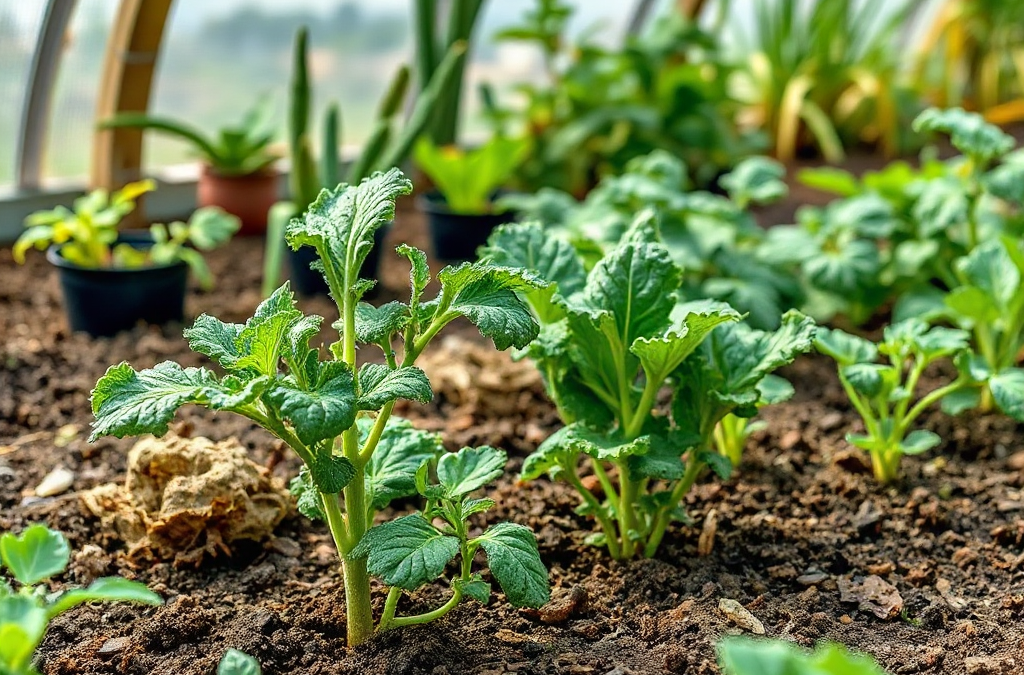
When to prune your vegetable plants for best yield primarily depends on the type of plant and its growth stage. For most vegetables, pruning is best done in early spring before new growth begins, which encourages healthier plants and higher yields. Avoid heavy pruning during flowering or fruiting stages, as this can reduce harvest. Always remove dead or diseased branches to promote better air circulation and sunlight exposure, which are crucial for optimal growth.
Understanding Pruning: Importance and Benefits
Pruning is a critical practice in vegetable gardening that significantly impacts plant health and productivity. By removing unnecessary or unhealthy parts of the plant, you can improve air circulation, light penetration, and nutrient allocation, all of which contribute to better yields. Pruning also helps in shaping the plant, which can aid in managing space in your garden and ensuring that each plant receives adequate sunlight.
One of the primary benefits of pruning is the prevention of disease. By cutting away dead or diseased branches, you reduce the risk of infection spreading to healthy parts of the plant. Additionally, pruning can stimulate new growth, allowing the plant to focus its energy on producing fruits or vegetables rather than maintaining excess foliage.
Understanding the specific needs of your vegetable plants is essential. Different species respond uniquely to pruning, and knowing when and how to prune can maximize your garden’s output. For instance, some plants thrive with aggressive pruning, while others may require a gentler touch.
Best Timing for Pruning Different Vegetables
The timing of pruning is crucial for achieving the best yield from your vegetable plants. Generally, early spring is the optimal time to prune, just before new growth begins. This timing allows plants to recover quickly and direct their energy toward new growth and fruit production.
For example, tomatoes should be pruned in early spring when they are still young. Removing suckers—small shoots that grow in the leaf axils—can lead to larger fruit and healthier plants. On the other hand, leafy greens like lettuce and spinach can be lightly pruned throughout their growing season to encourage more leaf production.
It’s essential to avoid pruning during flowering or fruiting stages. Cutting back plants at this time can stress them and reduce the overall yield. Instead, focus on removing any dead or diseased foliage during these periods to maintain plant health.
Techniques for Effective Pruning
Effective pruning requires specific techniques that can vary depending on the type of vegetable plant. Here are some essential techniques to consider:
- Thinning: This involves removing some of the growth to encourage better airflow and sunlight exposure. For instance, thinning out crowded seedlings can help prevent disease and promote stronger plants.
- Heading Back: This technique involves cutting back the tips of branches to encourage bushier growth. This is particularly effective for plants like basil and peppers.
- Pinching: For soft-stemmed plants, pinching off the tips can promote branching and fuller growth. This is especially beneficial for herbs.
Always use clean, sharp tools to make clean cuts, which helps prevent injury to the plant and reduces the risk of disease. Additionally, make cuts at an angle to promote faster healing and prevent water accumulation on the cut surfaces.
Common Mistakes to Avoid When Pruning
While pruning can be highly beneficial, many gardeners make common mistakes that can hinder plant growth. One major mistake is over-pruning. Removing too much foliage can stress the plant and reduce its ability to produce fruits or vegetables. It’s crucial to assess the plant’s health and growth stage before deciding how much to prune.
Another frequent error is neglecting to clean tools before use. Using dirty tools can introduce diseases to your plants, undoing the benefits of pruning. Always sanitize your tools with alcohol or a bleach solution before starting.
To wrap up, pruning at the wrong time can lead to reduced yields. Remember to prune early in the growing season and avoid cutting back during flowering or fruiting. By following these guidelines, you can ensure that your vegetable plants thrive and produce bountiful harvests.
Popular Questions
What is the fastest way to improve Table of Contents without making beginner mistakes?
The fastest way to improve Table of Contents is to simplify the process and control one variable at a time. Start with the most important baseline: define the goal, identify the main failure point, and test one change before making another. Keep short notes so you can connect the outcome to the adjustment you made. This prevents guesswork and helps you build a repeatable method instead of chasing random fixes.
What should you check first when Table of Contents is not working well?
Check the most immediate bottlenecks first: setup errors, missing inputs, bad timing, or inconsistent follow-through. Before buying anything new or changing the whole system, confirm that the basics are being done correctly and consistently. A small diagnostic checklist usually reveals the real problem faster than broad trial and error. Once the weak point is clear, make one correction and watch the result before adjusting anything else.
What common mistakes make Table of Contents harder than it needs to be?
The most common mistakes are changing too many variables at once, skipping the basics, and judging results too quickly. Many people also copy generic advice without adapting it to their exact situation, which leads to weak results and confusion. A better approach is to work from a simple baseline, make measured changes, and give each change enough time to show whether it helped. That makes progress easier to track and repeat.


