
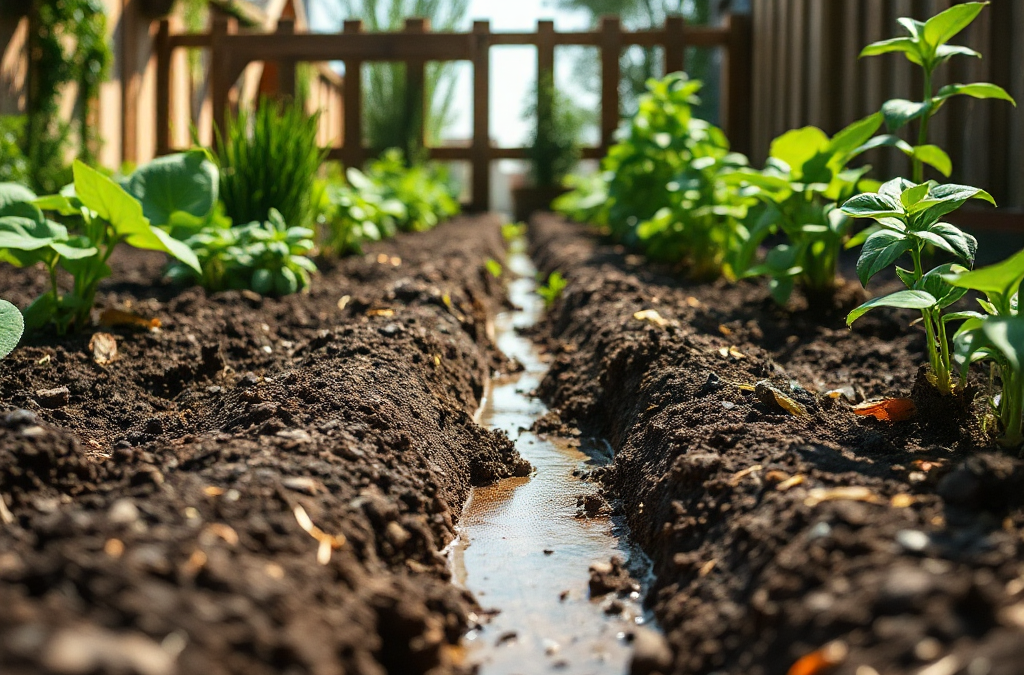
To improve drainage in garden beds, consider amending the soil with organic matter like compost, which enhances soil structure and porosity. Creating raised beds is another effective solution, as it elevates the soil and allows excess water to drain more efficiently. Additionally, incorporating drainage tiles can help manage water flow in areas prone to waterlogging. Regularly testing soil drainage and adjusting your methods based on the results can prevent issues like root rot and ensure your plants receive adequate moisture without becoming waterlogged.
Understanding Drainage Issues in Garden Beds
Drainage is a critical aspect of successful gardening, as it directly affects plant health and growth. Poor drainage can lead to waterlogged soil, which suffocates plant roots and promotes diseases like root rot. Understanding the causes of drainage issues, such as heavy clay soil or compacted earth, helps gardeners identify the best solutions. Soil texture, structure, and moisture levels all play significant roles in how well water moves through the garden bed.
For instance, clay soils tend to retain water due to their small particle size, while sandy soils drain quickly but may not retain enough moisture for plants. Identifying the soil type in your garden is the first step to addressing drainage problems effectively. Conducting a simple drainage test, such as digging a hole and observing how quickly it fills with water, can provide insight into your garden’s drainage capabilities.
Methods to Improve Drainage
To enhance drainage in garden beds, several effective methods can be employed. One of the most straightforward approaches is to amend the soil with organic matter, such as compost or well-rotted manure. This addition improves soil structure, increases porosity, and enhances the soil’s ability to retain moisture while allowing excess water to drain away.
Another effective method is constructing raised beds. Raised beds elevate the soil above the surrounding ground level, allowing for better drainage and air circulation. This approach is particularly useful in areas with heavy clay soil or where drainage is a persistent issue. Raised beds can be filled with a well-draining soil mix, providing an ideal growing environment for many plants.
Additionally, installing drainage tiles or French drains can significantly improve drainage in garden beds. These systems involve burying perforated pipes in gravel-filled trenches, allowing excess water to flow away from the garden area. This can be particularly beneficial in larger garden plots or where water tends to pool after heavy rains.
Common Mistakes to Avoid
While improving drainage, gardeners often make mistakes that can exacerbate the problem. One common error is over-amending the soil with organic matter. While organic materials improve drainage, too much can lead to nutrient imbalances and attract pests. It’s essential to find the right balance when incorporating amendments.
Another mistake is neglecting to assess the surrounding landscape. Poor site drainage can result from nearby structures, trees, or even the slope of the land. Understanding how these factors influence water flow can help in designing a more effective drainage system. Additionally, failing to regularly monitor the drainage after implementing changes can lead to unforeseen issues down the line.
Maintaining Good Drainage
Once you’ve implemented drainage improvements, maintaining good drainage is crucial for long-term success. Regularly checking soil moisture levels helps ensure that plants receive adequate water without becoming waterlogged. Mulching around plants can also help manage moisture levels, reducing evaporation while promoting proper drainage.
It’s also beneficial to periodically aerate the soil, especially in established garden beds. Aeration involves creating small holes in the soil to improve air circulation and encourage water infiltration. This practice can prevent soil compaction, which is a common issue that leads to drainage problems.
Frequently Asked Questions
What are the signs of poor drainage in garden beds?
Signs of poor drainage include water pooling on the surface, wilting plants despite adequate watering, and the presence of root rot or fungal diseases.
Can I improve drainage without raised beds?
Yes, you can improve drainage by amending the soil with organic matter, using mulch, and installing drainage systems like tiles or French drains.
How often should I check my garden's drainage?
It's advisable to check your garden's drainage at least once a season, especially after heavy rains, to assess soil moisture and make necessary adjustments.
What soil types drain best?
Sandy soils generally drain better than clay soils due to their larger particle size, allowing water to flow through more easily.
Is it possible to fix drainage issues permanently?
While it may be challenging to achieve permanent solutions, implementing effective drainage methods and maintaining soil health can significantly reduce drainage problems over time.
Conclusion
Addressing drainage issues in garden beds is essential for promoting healthy plant growth and preventing water-related problems. By understanding the causes of poor drainage and employing effective methods such as soil amendments, raised beds, and drainage systems, gardeners can create optimal growing conditions. Regular monitoring and maintenance are vital to ensure that the implemented solutions remain effective over time. Prioritize these strategies to cultivate thriving plants and a successful garden.


