
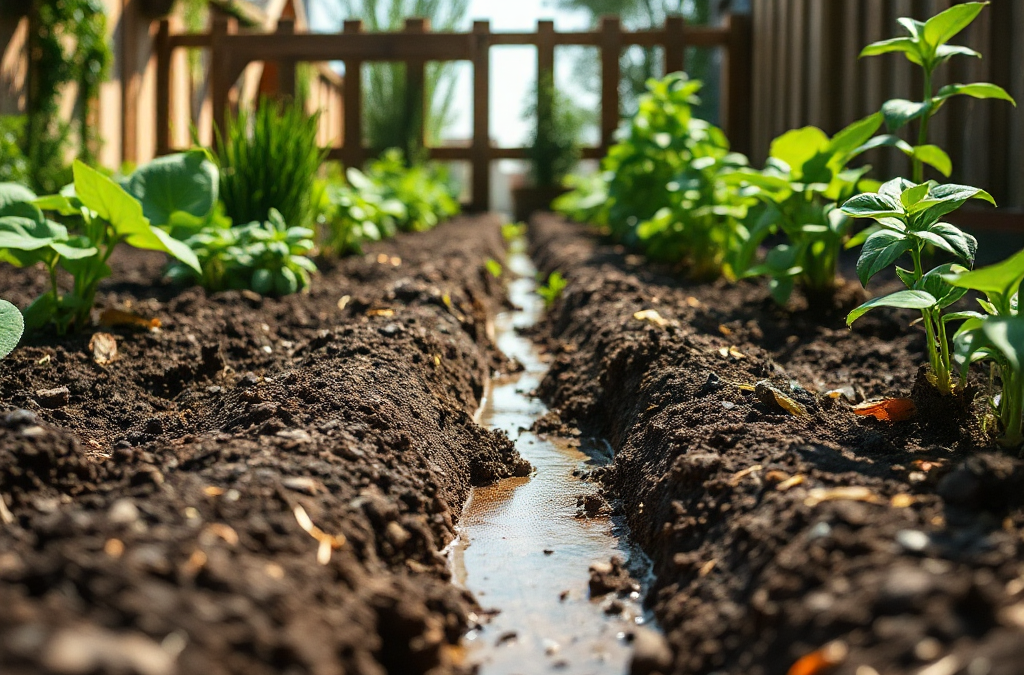
Herbs wilting in pots is often caused by improper watering, poor drainage, or insufficient light. To remedy this, ensure your pots have drainage holes to prevent water accumulation, which can lead to root rot. Water your herbs only when the top inch of soil feels dry, and provide at least six hours of sunlight daily. Additionally, consider the specific moisture needs of each herb type, as some thrive in wetter conditions while others prefer drier soil. Adjusting these factors can help restore your herbs to health and promote robust growth.
Understanding Wilting in Herbs
Wilting in herbs often serves as a clear indicator of underlying issues. When herbs appear droopy or limp, it typically signals stress due to environmental factors. Recognizing these signs early can prevent further decline and ensure your herbs thrive. Common causes include overwatering, underwatering, and inadequate light, all of which can lead to dehydration and nutrient deficiencies.
Watering Practices That Affect Health
Watering is one of the most critical factors in maintaining healthy potted herbs. Overwatering can suffocate roots, leading to root rot, while underwatering can cause dehydration. To find the right balance, check the soil moisture by inserting your finger into the soil about an inch deep. If it feels dry, it’s time to water. Aim for consistent moisture without waterlogging. Consider the herb type as well; some, like basil, prefer more moisture, while others, like rosemary, thrive in drier conditions.
Drainage and Soil Quality
Proper drainage is essential for the wellbeing of potted herbs. Without adequate drainage, excess water can accumulate at the bottom of the pot, leading to root rot. Ensure your pots have drainage holes and consider using a well-draining soil mix designed for herbs. A mixture of potting soil and sand or perlite can improve aeration and prevent compaction, allowing roots to breathe and absorb nutrients effectively.
Light Requirements for Potted Herbs
Light is another key factor influencing the health of potted herbs. Most herbs require at least six hours of direct sunlight daily to thrive. Insufficient light can lead to leggy growth and wilting. If your herbs are indoors, consider placing them near a south-facing window or using grow lights if natural light is limited. Monitor your herbs; if they start leaning towards the light source, it’s a sign they may need more exposure.
Frequently Asked Questions
What are the signs that my herbs are wilting?
Common signs include drooping leaves, yellowing foliage, and dry soil. These indicate stress from environmental factors.
How often should I water my potted herbs?
Water when the top inch of soil feels dry, typically every few days, depending on the herb type and environmental conditions.
Can I use regular garden soil for my potted herbs?
It's best to use a potting mix designed for containers, as it provides better drainage and aeration compared to regular garden soil.
How much sunlight do herbs need?
Most herbs require at least six hours of direct sunlight daily. Adjust their location based on available light.
Why are my herbs turning yellow?
Yellowing leaves can indicate overwatering, nutrient deficiencies, or insufficient light. Assess your watering habits and light conditions.
Conclusion
Addressing the wilting of your herbs involves careful observation of watering practices, drainage, and light exposure. Regularly check soil moisture, use appropriate soil mixes, and ensure your herbs receive adequate sunlight. By making these adjustments, you can restore vitality to your herbs and enjoy a thriving indoor or outdoor garden.


