
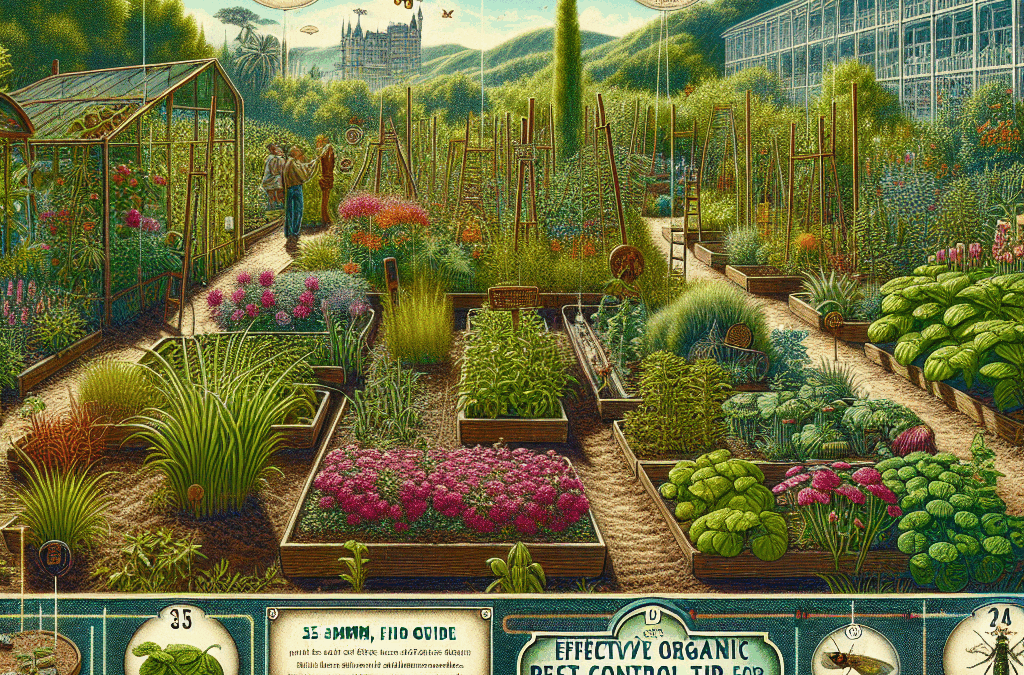
Managing pests in organic gardening involves using natural methods like companion planting, introducing beneficial insects, and applying organic pesticides. These strategies help maintain a healthy ecosystem while minimizing harm to plants and beneficial organisms. For instance, planting marigolds can deter nematodes, while ladybugs can control aphid populations. It's essential to monitor plant health regularly and adapt your pest management techniques based on specific pest challenges.
Understanding Organic Pest Management
Organic pest management focuses on maintaining a balanced ecosystem to control pest populations naturally. This approach is crucial as it encourages biodiversity, protects beneficial insects, and avoids harmful chemicals that can disrupt soil health and water quality. Understanding the types of pests that threaten your garden, such as aphids, caterpillars, and beetles, allows you to tailor your strategies effectively. Recognizing the life cycles of these pests can also inform your timing for interventions, ensuring that you act before populations grow too large.
One common misconception is that organic gardening means no pest issues can arise. In reality, pests are a natural part of any gardening system. The key lies in managing them through natural methods that support plant health and the overall environment. This includes understanding the signs of pest damage and knowing when to intervene.
Natural Pest Control Methods
Natural pest control methods are essential for effective organic gardening. These methods include techniques such as:
- Beneficial Insects: Introducing or attracting beneficial insects like ladybugs, lacewings, and predatory wasps can significantly reduce pest populations. These insects prey on common garden pests, providing a natural form of pest control.
- Neem Oil: Derived from the seeds of the neem tree, neem oil is an effective organic pesticide that disrupts the life cycle of pests without harming beneficial insects when applied correctly.
- Insecticidal Soap: This is a simple solution made from natural plant oils and fats, effective against soft-bodied insects like aphids and spider mites. It works by suffocating the pests, making it a safe option for organic gardens.
While these methods are generally safe, it’s important to apply them judiciously. Overuse can lead to negative impacts on the garden ecosystem, so regular monitoring and careful application are necessary.
Companion Planting for Pest Management
Companion planting is a powerful strategy in organic gardening that involves growing certain plants together to enhance growth, repel pests, and attract beneficial insects. For example, planting marigolds alongside vegetables can deter nematodes and aphids, while basil planted near tomatoes can repel flies and mosquitoes.
Another effective pairing is the combination of corn and beans. The beans naturally fix nitrogen in the soil, benefiting the corn, while the corn provides support for the climbing bean plants. This mutual benefit not only enhances growth but can also reduce pest populations by creating a more diverse ecosystem.
When planning your garden layout, consider which plants can benefit each other and create a balanced environment that encourages pest resistance. However, it’s essential to research each plant’s compatibility, as some combinations may hinder growth or attract more pests.
Monitoring and Adapting Strategies
Regular monitoring is crucial in organic pest management. This involves inspecting plants frequently for signs of pest damage, such as discoloration, holes, or webbing. Early detection allows for quicker interventions, which can prevent larger infestations.
Adaptability is also key. As seasons change and pest populations fluctuate, your strategies may need to be adjusted. Implementing a pest management plan that includes scouting, record-keeping, and response strategies ensures that you can effectively manage pests over time.
For example, if you notice a sudden increase in aphids, you might decide to introduce ladybugs or apply insecticidal soap. Keeping a journal of pest sightings and treatments can help you identify patterns and improve your management strategies in subsequent seasons.
Frequently Asked Questions
What are the best natural pest control methods?
Some of the best natural pest control methods include introducing beneficial insects, using neem oil, and applying insecticidal soap. These methods effectively manage pests while being safe for plants and the environment.
How can companion planting help manage pests?
Companion planting involves growing plants together that can mutually benefit each other. Certain plants can repel pests or attract beneficial insects, creating a more balanced ecosystem and reducing pest issues.
How often should I monitor my garden for pests?
It is advisable to monitor your garden at least once a week. Frequent inspections allow for early detection of pest problems and timely interventions, which can prevent larger infestations.
Can I use chemical pesticides in organic gardening?
No, organic gardening prohibits the use of synthetic chemical pesticides. However, certain natural pesticides can be used within organic guidelines, provided they are derived from natural sources.
What should I do if pests are damaging my plants?
If you notice pests damaging your plants, identify the pest and consider using natural control methods such as beneficial insects or organic pesticides. Regular monitoring and adaptive strategies are key to managing pest populations effectively.
Conclusion
Effectively managing pests in organic gardening requires a multifaceted approach that emphasizes natural methods, continuous monitoring, and adaptability. By understanding pest behaviors, utilizing beneficial insects, and practicing companion planting, gardeners can create a healthier ecosystem that reduces pest pressures. Regularly assessing pest conditions and adjusting strategies accordingly will empower you to maintain a thriving organic garden.


