
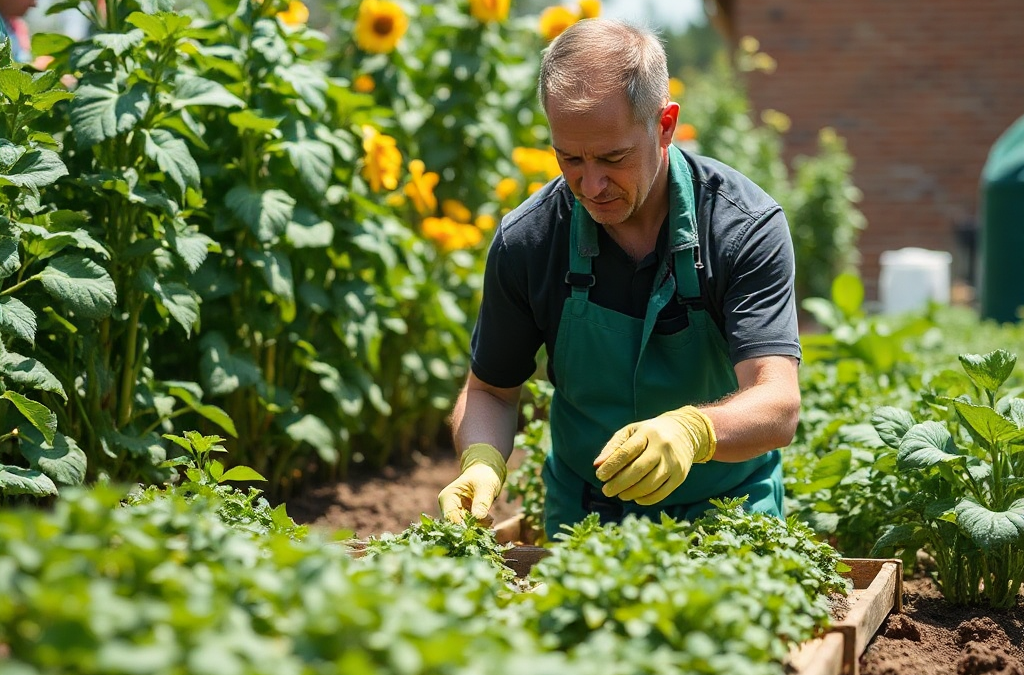
Choosing the right fertilizer for vegetables involves understanding their specific nutrient needs and soil conditions. Vegetables typically require nitrogen, phosphorus, and potassium, known as N-P-K, along with secondary nutrients like calcium and magnesium. Conducting a soil test can help identify deficiencies and guide you in selecting a suitable fertilizer type, whether it's organic or synthetic. Applying fertilizer at the right time and in appropriate amounts is crucial for optimal growth and yield.
Understanding Nutrient Needs of Vegetables
Vegetables require a balanced supply of nutrients for optimal growth and productivity. The primary nutrients that are essential include nitrogen (N), phosphorus (P), and potassium (K). Nitrogen promotes leafy growth, phosphorus supports root and flower development, and potassium enhances overall plant health and disease resistance. Understanding these nutrient roles is crucial when selecting fertilizer.
In addition to N-P-K, vegetables also benefit from secondary nutrients like calcium, magnesium, and sulfur, as well as micronutrients such as iron, manganese, and zinc. Each vegetable species may have specific nutrient requirements. For example, leafy greens often need more nitrogen, whereas root vegetables may benefit from higher phosphorus levels. Keeping these needs in mind helps in choosing the right fertilizer blend.
Types of Fertilizers: Organic vs. Synthetic
When selecting fertilizers, gardeners can choose between organic and synthetic options. Organic fertilizers, derived from natural sources like compost, manure, and bone meal, release nutrients slowly and improve soil structure over time. They promote a healthy soil ecosystem, making them an excellent choice for sustainable gardening.
Synthetic fertilizers, on the other hand, provide nutrients in a readily available form, leading to quicker results. However, they can contribute to soil degradation and may lead to nutrient runoff if not applied correctly. Understanding the pros and cons of each type allows gardeners to make informed decisions based on their gardening goals and practices.
Soil Testing and Analysis
Before applying fertilizer, it is essential to conduct a soil test to understand nutrient levels and pH. Soil testing helps identify specific deficiencies and informs the choice of fertilizer. Many local agricultural extensions offer soil testing services, providing detailed reports on nutrient content and recommendations for amendments.
Once the soil test results are obtained, gardeners can select fertilizers that address specific deficiencies. For example, if the soil is low in phosphorus, a fertilizer high in phosphorus should be chosen. Regular soil testing ensures that nutrient levels are maintained and helps avoid over-fertilization, which can harm plants and the environment.
Application Techniques for Effective Results
Applying fertilizer effectively is just as important as choosing the right type. Timing, method, and quantity all play a crucial role in maximizing the benefits of fertilization. For instance, applying fertilizer at the beginning of the growing season or during key growth phases can enhance nutrient uptake.
There are various application methods, including broadcasting, side-dressing, and foliar feeding. Broadcasting involves spreading granules over the soil surface, while side-dressing applies fertilizer in bands near the plants. Foliar feeding, applying liquid fertilizers directly to leaves, can provide a quick nutrient boost. Understanding the best method for each vegetable type can lead to more efficient use of fertilizers and healthier plants.
Frequently Asked Questions
What is the best time to fertilize vegetables?
The best time to fertilize vegetables is typically at the beginning of the growing season and during key growth stages, such as flowering and fruiting.
How can I tell if my vegetables need fertilizer?
If your vegetables show stunted growth, yellowing leaves, or poor fruit development, they may need additional nutrients.
Can I use compost instead of fertilizer?
Yes, compost can be used as a natural fertilizer, providing essential nutrients and improving soil health over time.
How much fertilizer should I apply?
The amount of fertilizer to apply depends on the type of vegetables and the specific nutrient needs, often guided by soil test recommendations.
What are the signs of over-fertilization?
Signs of over-fertilization include burnt leaf edges, excessive foliage growth with few fruits, and nutrient runoff in the soil.
Conclusion
Choosing the right fertilizer for vegetables is crucial for achieving healthy growth and maximizing yields. By understanding the nutrient needs of different vegetables, selecting between organic and synthetic options, conducting soil tests, and applying fertilizers effectively, gardeners can significantly improve their gardening success. Remember to monitor plants for signs of nutrient deficiencies or excesses and adjust your fertilization strategy accordingly for optimal results.


