
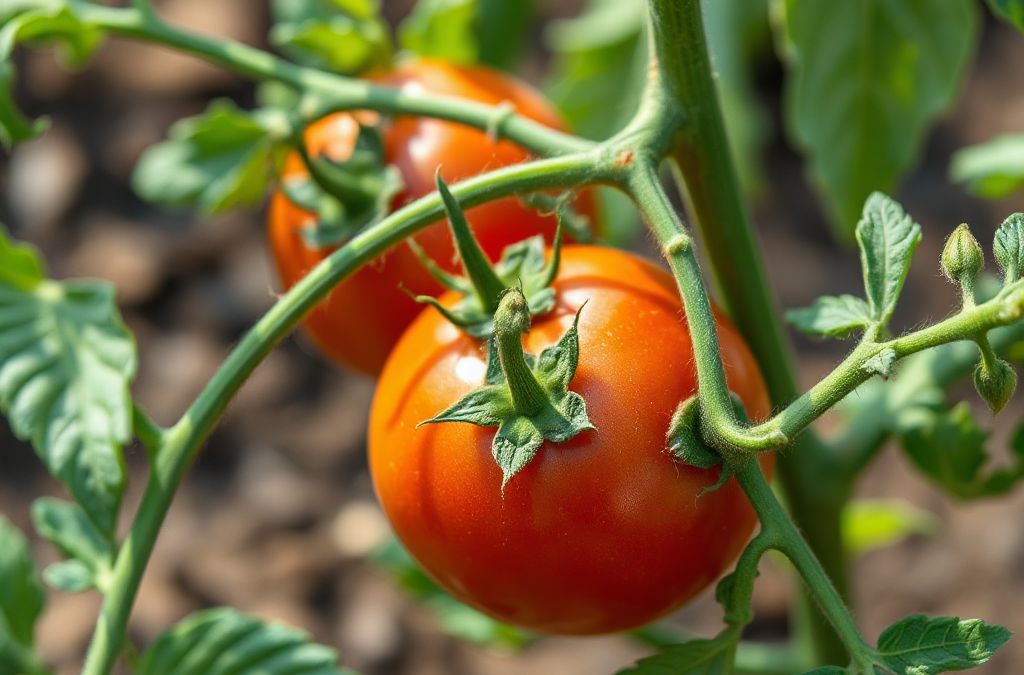
Blossom end rot in tomatoes is primarily caused by calcium deficiency and inconsistent watering practices. Insufficient calcium prevents proper fruit development, leading to dark, sunken spots at the blossom end of the fruit. Additionally, irregular moisture levels can exacerbate this condition, stressing the plants and hindering calcium uptake. To prevent blossom end rot, ensure consistent watering and consider soil amendments to boost calcium levels.
Understanding Blossom End Rot
Blossom end rot is a common physiological disorder affecting tomatoes, characterized by the appearance of dark, sunken spots at the blossom end of the fruit. This condition not only affects the visual appeal of the tomatoes but also impacts their edibility. Understanding the underlying causes is crucial for effective prevention and management.
The primary cause of blossom end rot is a deficiency of calcium, which is essential for proper cell wall development in fruits. When calcium is insufficient, the cells at the blossom end of the fruit fail to grow properly, leading to the characteristic rot. This issue often arises in conjunction with environmental stressors, most notably irregular watering practices, which can hinder the plant’s ability to absorb calcium from the soil.
Calcium Deficiency and Its Impact
Calcium plays a vital role in the overall health of tomato plants, influencing not only fruit quality but also plant structure. A lack of calcium can lead to several physiological disorders, including blossom end rot. This deficiency often occurs in soils that are low in calcium or in conditions where the plant’s ability to take up calcium is compromised.
Several factors contribute to calcium deficiency. First, acidic soils can bind calcium, making it unavailable to plants. Additionally, excessive nitrogen fertilization can promote rapid growth, increasing the demand for calcium and leading to deficiencies. It’s essential for gardeners to monitor soil pH and nutrient levels to ensure adequate calcium availability.
Watering Practices to Prevent Blossom End Rot
Inconsistent watering is a major factor contributing to blossom end rot. Tomatoes require consistent moisture levels to thrive, and fluctuations in soil moisture can stress the plants, affecting their ability to uptake nutrients, including calcium. Irregular watering can lead to periods of drought followed by heavy watering, creating a cycle that exacerbates the issue.
To prevent blossom end rot, gardeners should establish a consistent watering schedule. This typically means watering deeply and less frequently, allowing the soil to dry slightly between waterings. Using mulch can help retain soil moisture and regulate temperature, reducing stress on the plants. It’s also advisable to avoid overhead watering, as this can lead to uneven moisture levels and increase the risk of disease.
Soil Testing and Amendments
Regular soil testing is crucial for maintaining optimal growing conditions for tomatoes. Testing can reveal nutrient deficiencies, including calcium levels, and help gardeners understand the overall health of their soil. Based on the results, gardeners can amend their soil with lime or gypsum to improve calcium levels.
In addition to calcium, soil amendments can enhance overall soil structure and drainage, further supporting healthy tomato growth. Organic matter, such as compost, can also improve nutrient availability and moisture retention, creating a more favorable environment for tomato plants. Adjusting soil pH to the optimal range (6.0 to 6.8) will also facilitate better nutrient uptake.
Frequently Asked Questions
What are the signs of blossom end rot?
Signs of blossom end rot include dark, sunken spots on the bottom of the fruit, often accompanied by a soft texture. These symptoms typically appear as the fruit matures.
Can blossom end rot be reversed?
Once blossom end rot appears, it cannot be reversed on affected fruits. However, preventing further occurrences is possible by adjusting watering practices and improving calcium levels.
How often should I water tomato plants?
Tomato plants should be watered deeply about once a week, allowing the soil to dry slightly between waterings. Adjust frequency based on weather conditions and soil moisture.
Is it too late to prevent blossom end rot?
If blossom end rot is detected, it may be too late for affected fruits, but adjustments to care can prevent further issues on new fruit. Focus on consistent watering and calcium supplementation.
What soil amendments help with calcium deficiency?
Adding lime or gypsum to the soil can increase calcium levels. Organic matter, such as compost, also helps improve the overall nutrient availability in the soil.
Conclusion
To effectively manage and prevent blossom end rot, gardeners must focus on maintaining consistent watering practices and ensuring adequate calcium levels in the soil. By understanding the causes and making necessary adjustments, such as soil amendments and regular testing, healthier tomatoes can be produced. Implementing these strategies will lead to a more fruitful and satisfying gardening experience.
Further Reading
Authoritative Sources
- Blossom-end rot of tomato tip sheet
canr.msu.eduBlossom-end rot is caused by insufficient calcium in the tissue of the tomato. fertilizer can reduce nutrient and water uptake through the ...
- Prevent Blossom-End Rot: Tomato Diseases and Problems
gardeners.comBlossom end rot is a common garden physiological disorder caused by a lack of calcium within the plant. It can occur in pepper, squash, ...
- Blossom End Rot: How to Prevent and Treat
alluvialsoillab.comBlossom end rot is a physiological disorder caused by calcium deficiency in developing fruit, typically triggered by inconsistent soil moisture rather than low ...
- Put an End to Blossom-End Rot: Water and Nutrient ...
homegarden.cahnr.uconn.eduThis disorder is caused by insufficient calcium as a result of nutrient and water management challenges.


