
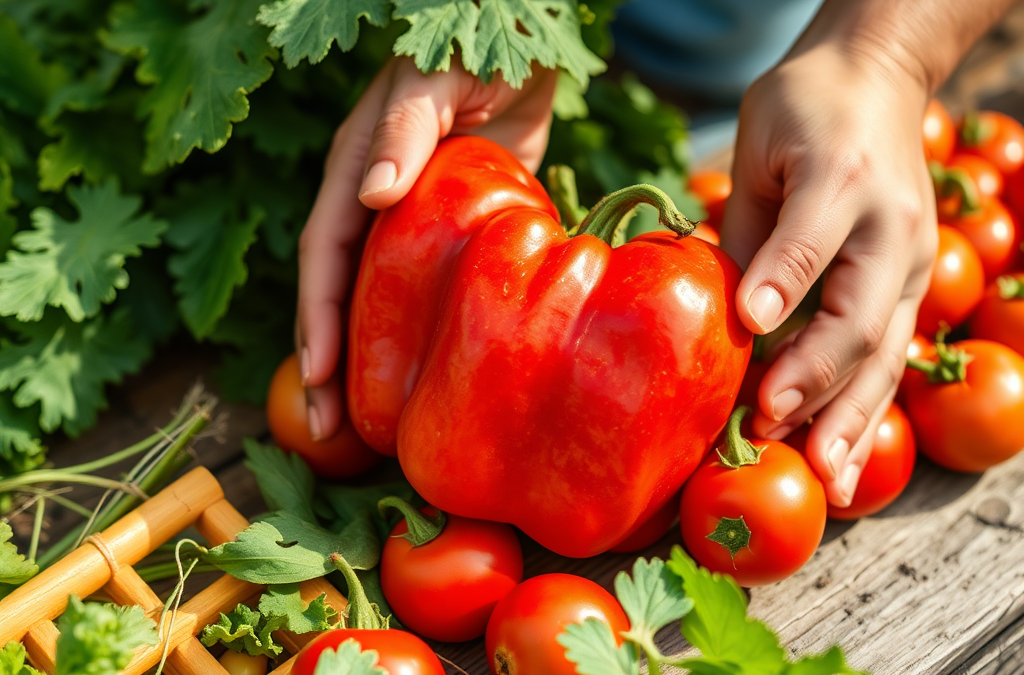
To tell when to harvest your vegetables, observe their size, color, and texture, as these indicators signal ripeness. Timing varies by vegetable type; for example, tomatoes should be fully colored and slightly soft, while carrots can be harvested when they reach a desirable size. Regularly checking your garden ensures optimal flavor and prevents overripening, which can affect taste and texture.
Understanding Vegetable Ripeness
Determining when to harvest your vegetables is crucial for ensuring the best flavor and texture. Ripeness can be identified by various factors including color, size, and even the feel of the vegetable. Each type of vegetable has its own indicators of ripeness, which can often be observed by closely monitoring their growth. Understanding these signs can significantly enhance your gardening experience.
For instance, many vegetables change color as they ripen. Tomatoes, for example, shift from green to red, while bell peppers can turn from green to yellow, orange, or red, depending on the variety. Additionally, size is a critical factor; vegetables like zucchini should be harvested when they are about 6-8 inches long to avoid becoming tough and seedy. The texture is also essential; a vegetable should feel firm but give slightly under pressure, indicating it’s ripe.
Common Vegetables and Their Harvest Indicators
Different vegetables exhibit unique signs that indicate they are ready for harvest. Knowing these can save you time and ensure you pick at the right moment for peak flavor. Here are some common vegetables and their respective indicators:
- Tomatoes: Look for full color and slight softness when gently squeezed.
- Carrots: Harvest when they reach a diameter of about 1 inch; the tops should be visible above the soil.
- Beans: Pick when pods are firm and have a slight bulge from the seeds inside.
- Peppers: Harvest when they reach full color; they can be picked at any stage from green to red, depending on your preference.
- Squash: Zucchini should be picked when they are 6-8 inches long, while winter squash should be harvested when the skin is hard.
Each of these vegetables has a specific window for optimal harvesting. For example, waiting too long to pick tomatoes can lead to overripening, which may affect their taste and texture. Therefore, regularly checking your garden and familiarizing yourself with each plant’s growth can improve your harvesting outcomes.
Timing Your Harvest for Maximum Flavor
Timing is critical harvesting vegetables. Many vegetables are best harvested in the morning when temperatures are cooler, as this can help retain moisture and flavor. Additionally, the specific timing within the growing season can dramatically affect taste. For instance, beans should be harvested before they become too mature, while root vegetables like carrots can be left in the ground longer to develop sweetness.
Understanding the growth cycle of your plants can help you decide when to start checking for ripeness. Most vegetables have a specific range of days from planting to harvest, known as the ‘days to maturity.’ This information can usually be found on seed packets or plant labels. For example, if a seed packet indicates 60 days to maturity, start checking for harvest readiness around that time.
Common Mistakes to Avoid
Even experienced gardeners can make mistakes harvesting. One common error is waiting too long to harvest, which can lead to vegetables becoming overripe and losing their flavor. For example, zucchinis left too long can become large and woody, while tomatoes that are picked after they have fallen from the vine can taste mealy.
Another mistake is not regularly checking on your plants. Vegetables can ripen quickly, and neglecting to monitor them can result in missed opportunities for optimal harvests. Additionally, some gardeners may harvest too early, resulting in underdeveloped flavors. For instance, harvesting a bell pepper while still green will yield a different taste than when it is fully ripened. Understanding each vegetable’s specific needs and growth patterns can help avoid these pitfalls.
Frequently Asked Questions
How can I tell if my vegetables are ready to be picked?
Check for changes in color, size, and texture; each vegetable has specific indicators of ripeness.
Is it better to harvest vegetables in the morning or afternoon?
Harvesting in the morning is often better as temperatures are cooler, which helps retain moisture and flavor.
What happens if I wait too long to harvest my vegetables?
Waiting too long can lead to overripening, which may affect taste, texture, and quality.
Can I harvest vegetables at different stages of maturity?
Yes, many vegetables can be harvested at various stages depending on your taste preferences.
How often should I check my garden for ripeness?
Regularly checking your garden, ideally every few days, helps ensure you pick vegetables at their peak flavor.
Conclusion
Knowing how to tell when to harvest your vegetables is essential for maximizing flavor and quality. Pay close attention to the signs of ripeness, including color, size, and texture, and time your harvest appropriately. Regular monitoring will help you avoid common mistakes and ensure that your vegetables are picked at their best. By mastering these techniques, you can enjoy a bountiful and delicious harvest from your garden.
Further Reading
Authoritative Sources
- When to Harvest Fruits and Vegetables
extensionpubs.unl.eduIf picked prematurely, the fruit is likely to be sour, tough, small, and poorly colored; if picked overripe, it may develop internal breakdown and store poorly.
- When to Harvest Vegetables and Fruit for Peak Flavor
almanac.comSigns of Ripeness: Green husk, silks turning brown. Kernel Test: Press a kernel with your fingernail; milky liquid means ready. Too watery or ...
- When to Harvest. . . - Square Foot Gardening
squarefootgardening.orgHow to know they're ripe: Look for firm, vibrant pods. Do the “snap test”. Ripe beans will snap cleanly when you break it in half. Avoid bulging ...
- When the Time Is Ripe: Harvesting for Best Flavor
reneesgarden.comTesting for ripeness involves all the senses: from tapping and smelling melons to puncturing corn kernels and recognizing the perfect plumpness of a pea!


