
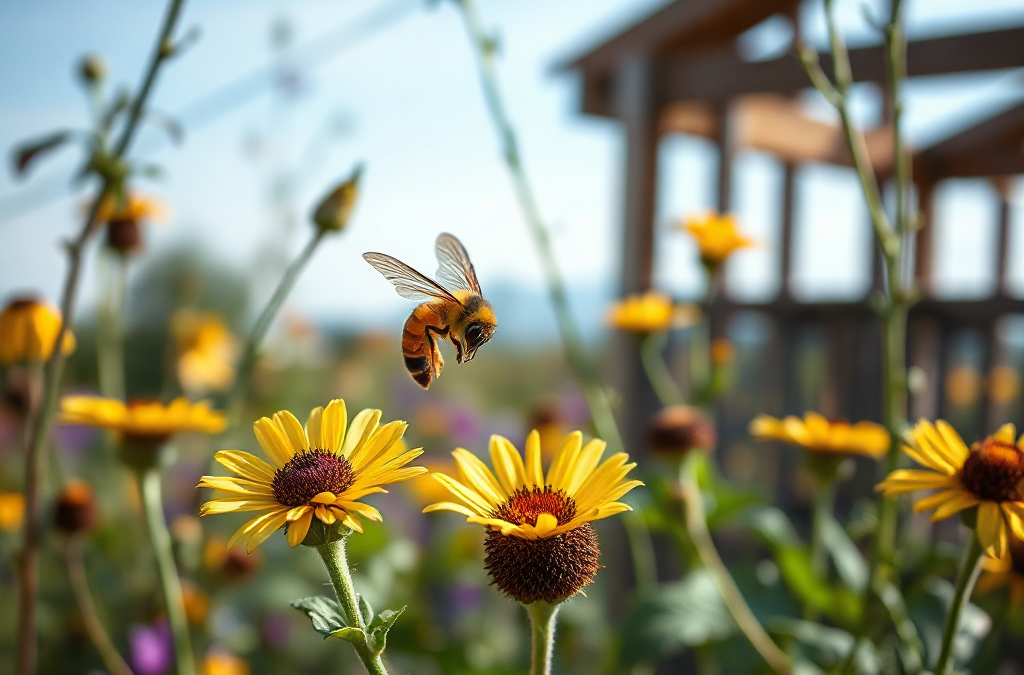
To encourage pollinators in your garden, focus on planting a variety of native flowering plants that bloom throughout the growing season. This diversity not only attracts a wider range of pollinators but also supports local ecosystems. Avoid using pesticides, as they can harm beneficial insects. Additionally, providing nesting sites and a reliable water source will create a welcoming habitat for these essential creatures, enhancing both your garden's health and beauty.
Native Plants: The Best Choice for Pollinators
Native plants are essential for encouraging pollinators in your garden because they provide the best food sources and habitat for local species. These plants have evolved alongside native pollinators, making them more attractive and beneficial than non-native varieties. For instance, plants like coneflowers, black-eyed Susans, and milkweed are known to attract bees, butterflies, and hummingbirds.
Using native plants also supports the local ecosystem by promoting biodiversity. When selecting plants, consider the specific pollinators in your area and choose varieties that bloom at different times throughout the growing season. This ensures a continuous food supply for pollinators.
One common mistake is planting only a few types of flowers. Instead, aim for a variety that includes different colors, shapes, and sizes to attract a broader range of pollinators. This diversity not only enhances the beauty of your garden but also creates a thriving environment for these essential creatures.
Creating a Diverse Blooming Schedule
To effectively encourage pollinators, it’s crucial to create a diverse blooming schedule. This means planting flowers that bloom at different times throughout the growing season—from early spring to late fall. Early bloomers like crocus and snowdrops provide essential nectar and pollen when other food sources are scarce.
Mid-season flowers such as sunflowers and asters continue to support pollinators as they become active, while late bloomers like goldenrod and sedum ensure food availability as the season winds down. By staggering your plantings, you can create a continuous food source that keeps pollinators visiting your garden throughout the year.
A common oversight is planting all flowers to bloom at once, which leads to a feast followed by a famine. Instead, planning for a variety of blooming times will create a sustainable environment that maintains pollinator populations.
Providing Nesting Sites for Pollinators
In addition to food sources, providing safe nesting sites is crucial for attracting and supporting pollinators. Different species have varying nesting preferences; for example, some bees nest in the ground, while others prefer hollow stems or natural cavities. By creating a variety of habitats, you can cater to a wider range of pollinators.
Consider leaving patches of bare soil for ground-nesting bees, and avoid cleaning up all dead plant material in the fall, as it can provide shelter for overwintering insects. Additionally, incorporating features like bee hotels or brush piles can provide safe nesting spots for solitary bees and other beneficial insects.
One misconception is that a tidy garden is a healthy garden. In reality, a little messiness can be beneficial for pollinator habitats. Embracing a more natural garden aesthetic can significantly enhance the biodiversity and resilience of your garden ecosystem.
Minimizing Pesticide Use for a Healthy Ecosystem
Reducing or eliminating pesticide use is vital for protecting pollinators. Many common pesticides are harmful to bees and other beneficial insects, leading to declines in their populations. Instead of chemical treatments, consider organic alternatives like neem oil or insecticidal soap, which are less harmful to pollinators.
Timing is also important; applying pesticides in the evening when pollinators are less active can mitigate harm. However, the best approach is to focus on integrated pest management (IPM) strategies that emphasize prevention and natural solutions.
A frequent mistake is assuming that all pest control methods are safe for plants. Educating yourself on the specific products you use and their effects on pollinators can help you make informed decisions that benefit your garden.
The Importance of Water Sources in Your Garden
Providing a reliable water source is an often-overlooked aspect of encouraging pollinators. Pollinators need water not only for drinking but also for regulating their body temperature and feeding their young. Simple solutions like shallow dishes filled with water and pebbles can create a safe drinking spot for bees and butterflies.
Ensure that the water source is clean and refreshed regularly to prevent stagnation and mosquito breeding. By incorporating water features, you enhance your garden’s appeal and support pollinator health.
Many gardeners neglect this aspect, thinking that pollinators can find water sources elsewhere. However, providing a dedicated water source can significantly improve the attractiveness of your garden to pollinators.
Frequently Asked Questions
What types of plants are best for attracting pollinators?
Native flowering plants are best, as they provide the right food sources for local pollinators. Examples include coneflowers, milkweed, and sunflowers.
How can I create a water source for pollinators?
Use shallow dishes filled with water and pebbles to provide a safe drinking area for bees and butterflies.
Is it necessary to avoid all pesticides?
While it's ideal to minimize pesticide use, if necessary, opt for organic alternatives and apply them during times when pollinators are less active.
How can I provide nesting sites for bees?
Leave patches of bare soil, avoid cleaning up all garden debris, and consider installing bee hotels to create nesting opportunities for solitary bees.
What common mistakes do gardeners make regarding pollinators?
Many gardeners plant only a few types of flowers or assume that a tidy garden is better. Diversity and a natural aesthetic are key for attracting pollinators.
Conclusion
Encouraging pollinators in your garden requires a thoughtful approach that includes planting native species, creating diverse blooming schedules, and providing nesting sites. By minimizing pesticide use and ensuring a reliable water source, you can create a thriving habitat for these essential creatures. Prioritize diversity and natural elements in your garden to foster a healthy ecosystem that supports pollinators year-round.


