
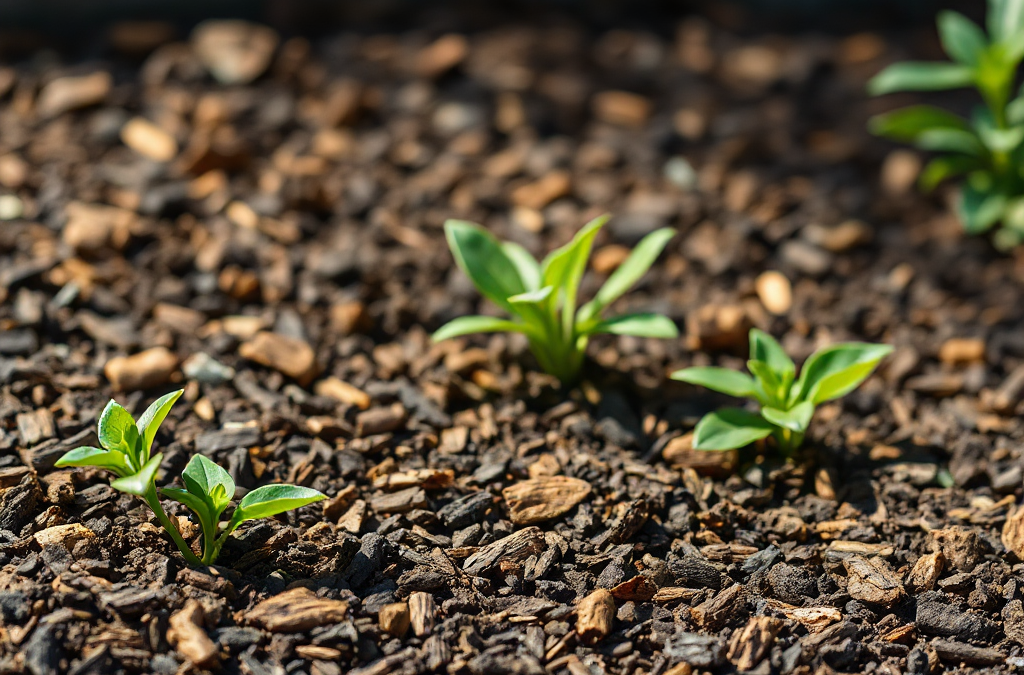
Choosing the right mulch for your garden involves selecting materials that retain moisture, suppress weeds, and enhance soil health. Organic options like wood chips and straw improve soil structure over time, while inorganic materials like rubber or stones provide long-lasting coverage. Consider your garden's specific needs, climate, and aesthetic preferences when making your choice, as these factors greatly influence the effectiveness and longevity of the mulch.
Understanding the Role of Mulch
Mulch serves multiple purposes in a garden, primarily acting as a protective layer over the soil. It helps retain moisture, regulates soil temperature, suppresses weeds, and enhances the aesthetic appeal of the garden. By preventing soil erosion and improving overall soil health, mulch is an essential component for successful gardening. Understanding these roles can guide your choice in selecting the right type of mulch for your specific gardening needs.
For instance, in a vegetable garden, mulch can help to maintain consistent moisture levels, crucial for plant growth. In flower beds, it can provide a decorative finish while also supporting the health of the plants. The right mulch not only promotes a thriving garden but also reduces maintenance efforts, making it a worthwhile investment.
Types of Mulch: Organic vs. Inorganic
When choosing the right mulch, it’s important to differentiate between organic and inorganic options. Organic mulch includes materials such as bark chips, straw, grass clippings, and leaves. These materials break down over time, enriching the soil with nutrients. For example, wood chips can improve soil structure and provide a habitat for beneficial organisms. However, they may require replenishment every year or two as they decompose.
In contrast, inorganic mulch consists of materials like gravel, stones, or rubber. These do not decompose and thus require less frequent replacement. While they provide excellent weed suppression and moisture retention, they do not contribute nutrients to the soil. Choosing between organic and inorganic mulch often depends on your garden’s specific needs, aesthetic preferences, and maintenance capabilities.
Factors to Consider When Choosing Mulch
Several factors should influence your choice of mulch, including climate, plant type, and aesthetic considerations. For instance, if you live in a hot climate, light-colored inorganic mulch can reflect sunlight and help keep soil temperatures down. On the other hand, in cooler climates, dark organic mulch can absorb heat, aiding in temperature regulation.
Additionally, consider the specific plants in your garden. Some plants thrive with organic mulch that enriches the soil, while others may benefit from inorganic options that provide a clean, tidy appearance. The mulch’s color and texture should also complement your garden’s design, enhancing its visual appeal. Lastly, your willingness to maintain and replenish the mulch should factor into your decision, as organic materials will require more upkeep than inorganic ones.
Applying Mulch Effectively
Proper application of mulch is crucial for maximizing its benefits. Begin by clearing the area of weeds and debris, ensuring a clean base for the mulch. Aim for a mulch layer of 2 to 4 inches, which is thick enough to suppress weeds but not so thick that it prevents water from reaching the soil. When applying organic mulch, leave a small space around plant stems to prevent rot.
Mulch should be replenished regularly, especially organic types that decompose over time. During application, consider the season; applying mulch in the spring can help retain moisture during hotter months, while a fall application can protect plants from winter frost. The effectiveness of mulch relies not just on the type chosen but also on how well it is applied and maintained.


