
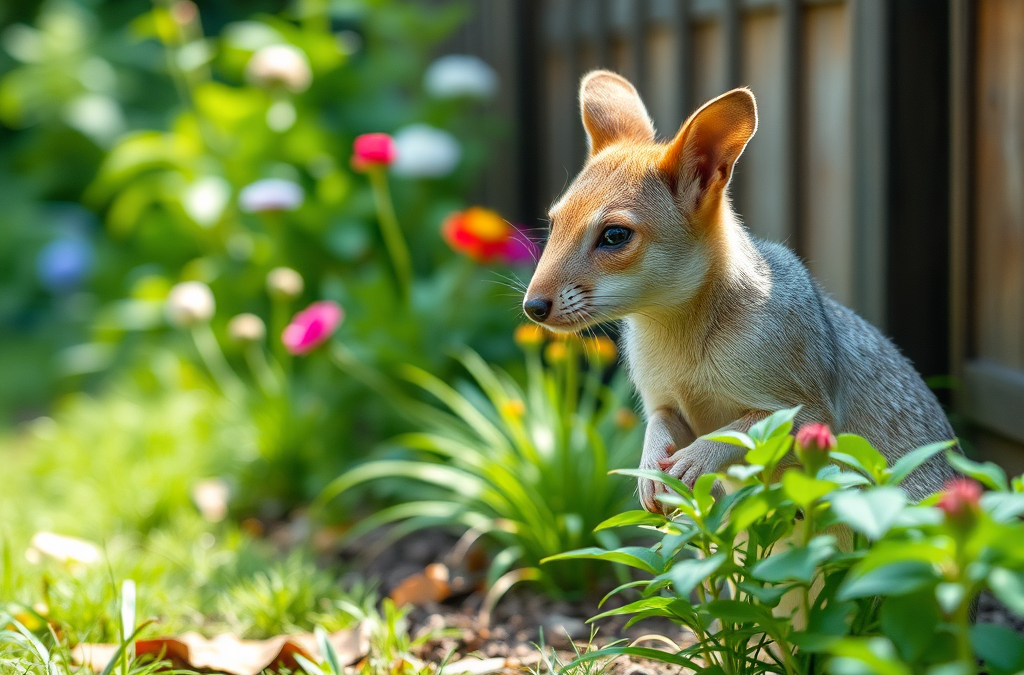
To prevent animals from invading your garden, start by installing effective physical barriers like tall fences that deter larger wildlife, and ensure they are buried underground to stop burrowing animals. Additionally, consider using natural repellents such as garlic or vinegar sprays that can make your plants less appealing. Regular maintenance is also key; keep your garden tidy and remove any food sources that might attract animals. To wrap up, choose plants that are less attractive to local wildlife, which can help reduce their interest in your garden overall.
Understanding Animal Attraction to Gardens
Animals are often drawn to gardens due to the availability of food, shelter, and water. Common garden visitors include rabbits, deer, squirrels, and various birds, all of which can wreak havoc on your plants. Understanding what attracts these animals is crucial to developing effective deterrent strategies. Food sources such as ripe fruits, vegetables, and even flowering plants can entice wildlife into your garden. Furthermore, gardens that provide hiding spots or nesting areas are particularly appealing, as animals seek safe environments for foraging and breeding.
One common misconception is that all animals are solely motivated by hunger. While food is a significant factor, many animals are also attracted to gardens for the moisture found in plants and soil. Additionally, gardens that are poorly maintained or cluttered can create ideal habitats for pests and larger animals alike. To mitigate these attractions, it is essential to assess your garden’s layout and maintenance practices.
Effective Physical Barriers
Installing physical barriers is one of the most effective ways to protect your garden from animals. Fencing is a primary solution, but not all fences are created equal. For instance, a fence that is three feet high may deter rabbits but not deer, which can easily jump over it. A fence should ideally be at least eight feet tall to keep deer out, and it should also be buried a few inches underground to prevent burrowing animals.
In addition to traditional fencing, consider using mesh netting or row covers for smaller plants. These materials provide a protective layer that keeps animals from accessing your crops while still allowing sunlight and rain to reach them. It’s also essential to regularly inspect these barriers for any damage or gaps that could allow animals to enter.
Another effective method is to create a physical barrier using raised garden beds. By elevating your plants, you can make it more difficult for animals to reach them. Raised beds can also improve drainage and soil health, making your garden more productive overall.
Natural Repellents and Deterrents
In addition to physical barriers, various natural repellents can discourage animals from entering your garden. Many gardeners have found success using scents that animals find unpleasant. For example, strong-smelling substances like garlic, cayenne pepper, and vinegar can be sprayed around the perimeter of your garden. These natural deterrents should be reapplied after rain to maintain their effectiveness.
Furthermore, introducing certain plants that repel animals can be a strategic way to protect your garden. For instance, marigolds are known to deter rabbits and deer, while herbs like mint and rosemary can repel a variety of pests. Incorporating these plants into your garden design not only enhances aesthetics but also provides a natural defense mechanism.
It’s important to note that while repellents can be effective, they may not work for all animals. Experimenting with different methods and observing which ones yield the best results in your specific environment is key to finding the most effective deterrents.
Plant Selection and Maintenance Strategies
Choosing the right plants can make a significant difference in whether your garden attracts animals. Opting for plants that are less appealing to common garden pests is an effective strategy. For example, selecting drought-resistant plants can minimize water availability, making your garden less attractive to thirsty animals.
Additionally, maintaining a clean and tidy garden is crucial. Regularly removing fallen fruits, debris, and weeds will help reduce the attraction for animals looking for food or shelter. Keeping your garden well-trimmed and free of clutter will deter larger animals from making it their home.
Furthermore, consider implementing companion planting, where specific plants are grown together to enhance growth and deter pests. For instance, planting basil alongside tomatoes can repel certain insects while promoting healthy tomato growth. This approach not only supports your primary crops but also helps maintain a balanced ecosystem within your garden.
Frequently Asked Questions
What animals are commonly attracted to gardens?
Common garden visitors include rabbits, deer, squirrels, raccoons, and various species of birds which are often attracted by food sources and shelter.
How can I naturally deter animals from my garden?
Naturally deterring animals can be achieved through the use of strong-smelling substances like garlic or cayenne pepper, and by planting aromatic herbs that animals dislike.
Are there specific plants that can help repel animals?
Yes, plants like marigolds, mint, and rosemary are known for their repelling properties against various garden pests.
What type of fencing works best for keeping animals out?
A fence should be at least eight feet tall to deter deer, and it should be buried a few inches underground to prevent burrowing animals from getting in.
How often should I maintain my garden to keep it animal-free?
Regular maintenance, including cleaning up debris and fallen fruits, should be done weekly to keep your garden less attractive to animals.
Conclusion
Implementing effective strategies to deter animals from your garden involves understanding their motivations and employing a combination of methods. By using physical barriers, natural repellents, and selecting the right plants, you can protect your garden from unwanted visitors. Regular maintenance and thoughtful planning are also essential in creating an environment that minimizes animal attraction. With these strategies in place, you can enjoy a thriving garden while keeping wildlife at bay.


