
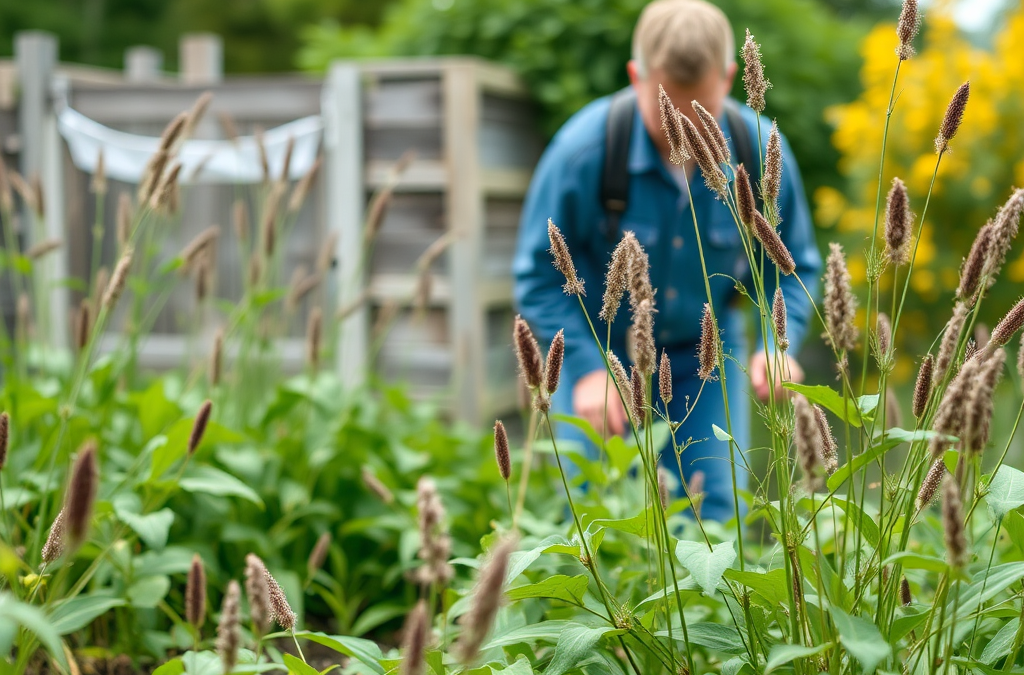
To prevent weeds from taking over, implement mulching, proper watering, and regular maintenance. Mulching suppresses weed growth by blocking sunlight and retaining moisture, while consistent watering encourages healthy plant growth, making them more competitive against weeds. Regular maintenance, including hand-pulling and using pre-emergent herbicides, helps control existing weeds and prevent new ones from establishing. These strategies create a healthier garden environment and reduce the chances of weed infestation.
Understanding Weed Growth and Its Impact
Weeds are resilient plants that can quickly take over a garden, competing with desired plants for nutrients, water, and sunlight. Understanding the types of weeds that commonly invade gardens can help in devising effective prevention strategies. Annual weeds, such as crabgrass, germinate from seeds each year, while perennial weeds like dandelions have deep root systems that can survive harsh conditions. Recognizing the characteristics of these weeds is essential for effective control. Additionally, the impact of weeds on garden health can be significant; they can choke out young plants, reduce crop yields, and create habitat for pests.
One common misconception is that weeds only thrive in poorly maintained gardens. In reality, even well-tended gardens can become overrun if preventive measures are not taken. For instance, soil disturbances during planting can inadvertently expose weed seeds to light, prompting germination. A proactive approach to garden care is crucial for preventing weeds from establishing strongholds.
Effective Mulching Techniques
Mulching is one of the most effective methods to prevent weeds from taking over. By applying a layer of organic or inorganic material on the soil surface, gardeners can suppress weed growth, retain moisture, and enhance soil health. Organic mulches, such as shredded bark, straw, or grass clippings, not only block sunlight but also decompose over time, enriching the soil with nutrients.
When applying mulch, aim for a thickness of 2-4 inches to effectively block light from reaching weed seeds. It’s crucial to leave a small gap around the base of plants to prevent moisture buildup, which can lead to rot. Additionally, mulch should be replenished regularly to maintain its effectiveness. A common mistake is applying mulch too thinly, which may not provide adequate weed suppression.
Watering Practices to Deter Weeds
Proper watering practices can significantly influence weed growth in your garden. Weeds often thrive in overly moist environments, so understanding the watering needs of your plants is essential. Deep, infrequent watering encourages plants to develop strong root systems, making them more competitive against weeds. In contrast, shallow, frequent watering can promote weed seed germination.
Consider using drip irrigation or soaker hoses to deliver water directly to the soil, minimizing moisture on the foliage where weeds can thrive. Timing is also important; watering in the early morning allows plants to absorb moisture before the heat of the day, reducing water loss and deterring weed growth. A common error is watering in the evening, which can leave the soil damp overnight, creating ideal conditions for weed seeds to germinate.
Regular Maintenance and Weed Control
Regular maintenance is vital for keeping weeds at bay. This includes routine inspections of your garden to identify and remove weeds before they can flower and set seed. Hand-pulling is an effective method for small infestations, especially when the soil is moist, making it easier to remove the entire root. Implementing pre-emergent herbicides can also be beneficial in preventing weed seeds from germinating.
It’s important to be cautious when using herbicides; always follow the manufacturer’s instructions and consider the impact on surrounding plants and soil health. A common pitfall is neglecting to address weeds promptly, allowing them to spread and establish deep roots, which can make removal more difficult. By maintaining a consistent weed management routine, gardeners can create a healthier environment for their desired plants.
For those seeking additional information on weed prevention, resources from agricultural extensions and gardening organizations can provide valuable insights and guidelines.


