
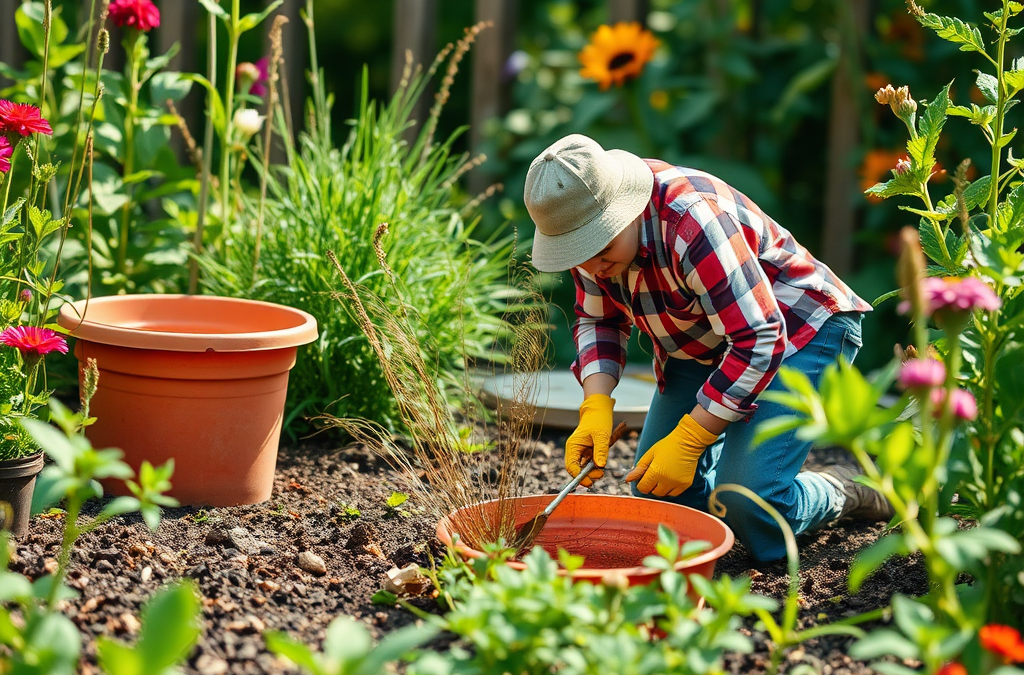
Managing pests without chemicals involves using natural methods such as introducing beneficial insects, employing companion planting, and utilizing organic barriers. These techniques help maintain a healthy ecosystem in your garden while preventing pest outbreaks. For example, ladybugs can control aphid populations, while planting marigolds can deter nematodes. Understanding the life cycles and behaviors of pests also allows for targeted interventions, minimizing harm to beneficial species.
Understanding Pest Management
Effective pest management is crucial for maintaining a thriving garden without resorting to chemical pesticides. This approach focuses on preserving beneficial organisms while controlling harmful pests. Understanding the specific pests that threaten your plants allows for tailored strategies that minimize ecological disruption. Many gardeners overlook the importance of pest identification, which is the first step in creating a pest management plan.
Recognizing the signs of pest damage early can help prevent larger infestations. Common indicators include chewed leaves, discolored foliage, or visible insects. By monitoring your plants regularly, you can identify the right methods to combat pests effectively.
Natural Pest Control Methods
Natural pest control methods can be broadly categorized into physical, biological, and cultural practices. These strategies work to deter pests without harming the environment. Physical methods include barriers such as row covers and traps, which physically prevent pests from reaching your plants. For instance, using floating row covers can protect seedlings from insects while allowing sunlight and moisture to penetrate.
Biological methods involve introducing natural predators or parasites that target specific pests. For example, nematodes can be introduced to control soil-dwelling pests, while parasitic wasps can help manage caterpillar populations. Cultural practices, such as crop rotation and proper sanitation, can disrupt pest life cycles and reduce their numbers.
Companion Planting for Pest Prevention
Companion planting is a strategic method of growing different plants together to enhance growth and deter pests. Certain plants can naturally repel pests or attract beneficial insects. For example, basil is known to repel flies and mosquitoes, while planting garlic alongside roses can deter aphids.
When implementing companion planting, it’s essential to consider the growth habits and nutrient needs of each plant. Some combinations can improve soil health and enhance plant resilience against pests. However, not all combinations are beneficial; research and experimentation can help determine the best pairings for your garden.
Beneficial Insects and Their Roles
Beneficial insects play a vital role in pest management within a garden. Ladybugs, lacewings, and predatory wasps are examples of insects that can effectively control pest populations. Ladybugs, for instance, are voracious consumers of aphids, and introducing them into your garden can significantly reduce aphid infestations.
Creating a habitat that attracts these beneficial insects is crucial. Planting a variety of flowers and herbs can provide food and shelter for them. Additionally, avoiding chemical pesticides ensures that these helpful insects thrive in your garden. Understanding the life cycles of beneficial insects can help you time their introduction effectively, maximizing their impact on pest control.
Frequently Asked Questions
What are some natural ways to deter pests?
Natural deterrents include using essential oils, planting pest-repelling plants, and employing physical barriers like row covers.
How can I identify pests in my garden?
Look for signs of damage on plants, such as holes in leaves or discolored patches, and inspect the underside of leaves for insects.
Are beneficial insects safe for my garden?
Yes, beneficial insects are essential for pest control and do not harm your plants; they help maintain a balanced ecosystem.
What is companion planting?
Companion planting involves growing different plants close together to enhance growth and deter pests, benefiting both plants.
How do I create a habitat for beneficial insects?
Plant a variety of flowering plants, provide shelter, and avoid using pesticides to create a welcoming environment for beneficial insects.
Conclusion
Managing pests without chemicals is not only possible but also beneficial for your garden’s health. By understanding pest behaviors, utilizing natural methods, and fostering beneficial insects, you can create a thriving ecosystem. Prioritize regular monitoring, implement strategic pest control methods, and embrace companion planting to enhance your garden’s resilience against pests. Adopting these practices ensures a sustainable approach to gardening.


