
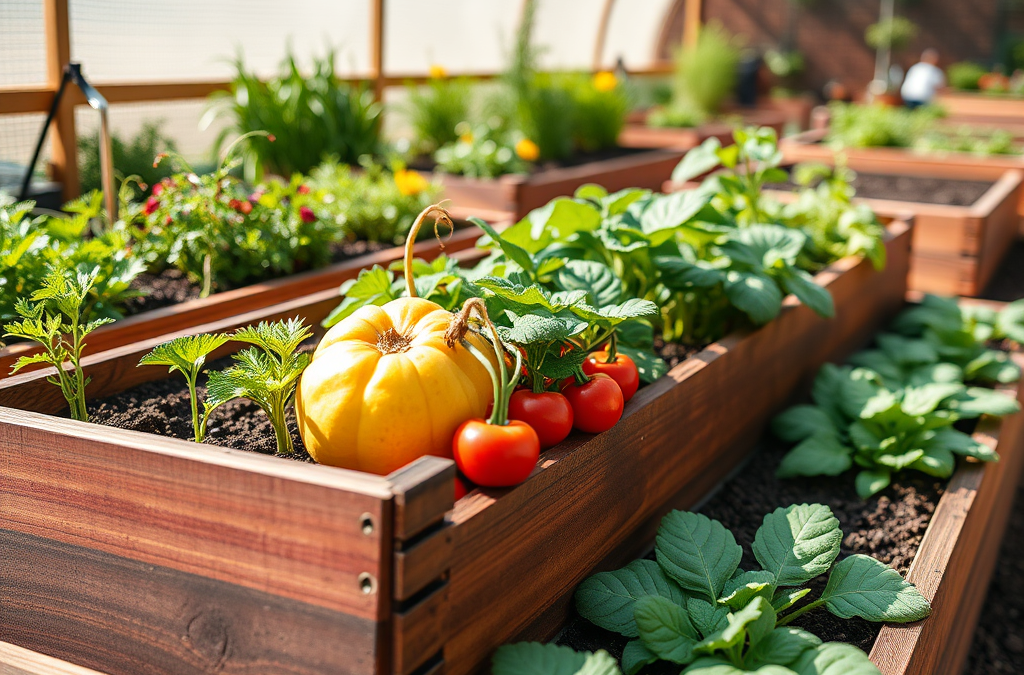
To ensure success in raised beds, plant a mix of vegetables, herbs, and companion plants that thrive in these conditions. Consider options like tomatoes, peppers, and lettuce for their adaptability and productivity. Additionally, herbs such as basil and parsley enhance flavor and deter pests. Incorporating companion plants like marigolds can improve growth and protect against harmful insects, making your raised bed garden both diverse and thriving.
Choosing the Right Vegetables for Raised Beds
When deciding what to plant in raised beds for success, selecting the right vegetables is crucial. Raised beds provide excellent drainage and soil warmth, making them ideal for a variety of crops. Popular choices include tomatoes, peppers, and lettuce, which all flourish in these conditions. Tomatoes, for instance, benefit from the warmth of raised beds and typically yield higher outputs compared to ground planting.
It’s essential to consider the growing season and climate when choosing vegetables. For cooler climates, early crops like peas and radishes can be planted in spring, while heat-loving plants like cucumbers and squash should be reserved for warmer months. Additionally, consider the spacing requirements of each vegetable to avoid overcrowding, which can hinder growth and lead to disease.
Another key aspect is crop rotation. To maintain soil health and prevent pest buildup, rotate the types of vegetables planted in each bed annually. This practice helps in managing soil nutrients and minimizing disease risk.
Herbs That Thrive in Raised Beds
Incorporating herbs into your raised bed garden can significantly enhance both culinary experiences and garden health. Herbs like basil, parsley, and cilantro are excellent choices that thrive in raised beds. Basil, for example, not only adds flavor to dishes but also attracts beneficial insects such as pollinators.
Raised beds allow for better control over soil conditions, which is beneficial for herbs that prefer well-drained soil. Additionally, herbs can be planted alongside vegetables, maximizing space and improving the overall ecosystem of the garden. Keep in mind that some herbs, like mint, can be invasive, so it’s advisable to plant them in containers within the raised bed to prevent them from overtaking other plants.
Regular harvesting of herbs encourages growth and can lead to a more productive garden. Aim to trim your herbs regularly, which helps to promote bushier plants and extends their growing season.
Companion Planting: Enhancing Growth and Protection
Companion planting is a strategic approach that involves growing different plants together for mutual benefits. This method can enhance growth, deter pests, and improve pollination. For example, planting marigolds alongside vegetables can help repel nematodes and other harmful insects. Similarly, pairing beans with corn provides structural support for the climbing beans while enhancing nitrogen levels in the soil.
When planning your raised bed, consider the compatibility of different plants. Some combinations, such as tomatoes and basil, not only thrive together but also enhance each other’s flavors. However, avoid planting incompatible species, like onions and peas, which can inhibit growth due to chemical interactions.
Additionally, employing a diverse planting strategy can lead to a more resilient garden. A mix of flowering plants, herbs, and vegetables can attract beneficial insects and create a balanced ecosystem, reducing the likelihood of pest infestations.
Managing Soil Health for Optimal Growth
Soil health is a critical factor in the success of raised bed gardening. Begin with a high-quality soil mix that includes organic matter, such as compost, to provide essential nutrients. Regularly testing the soil pH and nutrient levels can help ensure that your plants receive the appropriate conditions for growth.
Incorporating organic fertilizers and mulching can further improve soil health and moisture retention. Mulch acts as a barrier against weeds while helping to maintain soil temperature. Additionally, practicing crop rotation and cover cropping during the off-season can enhance soil structure and fertility.
Be mindful of watering practices as well. Raised beds generally require more frequent watering due to increased drainage, especially during hot weather. Implementing a drip irrigation system can help maintain consistent moisture levels while conserving water.
For those looking to dive deeper into raised bed gardening, exploring resources on soil health, plant compatibility, and seasonal planting strategies can be beneficial. Consider checking out local agricultural extensions or reputable gardening websites for tailored advice and best practices.
Frequently Asked Questions
What vegetables grow best in raised beds?
Vegetables such as tomatoes, peppers, lettuce, and cucumbers thrive in raised beds due to their preference for well-drained soil and warm conditions.
Can I plant herbs in raised beds?
Yes, herbs like basil, parsley, and cilantro grow well in raised beds and can enhance the flavor of your dishes while improving garden health.
What is companion planting?
Companion planting involves growing different plants together to enhance growth, deter pests, and improve pollination, such as pairing marigolds with vegetables.
How do I maintain soil health in raised beds?
Maintain soil health by using high-quality soil mixes, incorporating organic matter, mulching, and regularly testing soil nutrients and pH levels.
What are common mistakes in raised bed gardening?
Common mistakes include overcrowding plants, neglecting soil health, and not rotating crops, all of which can hinder growth and lead to pest issues.
Conclusion
Successfully planting in raised beds involves selecting the right mix of vegetables, herbs, and companion plants while maintaining optimal soil health. Prioritize crop rotation and companion planting to maximize the benefits of your raised bed garden. Regularly monitor soil conditions and adjust your planting strategies based on seasonal changes to ensure a thriving garden.


