
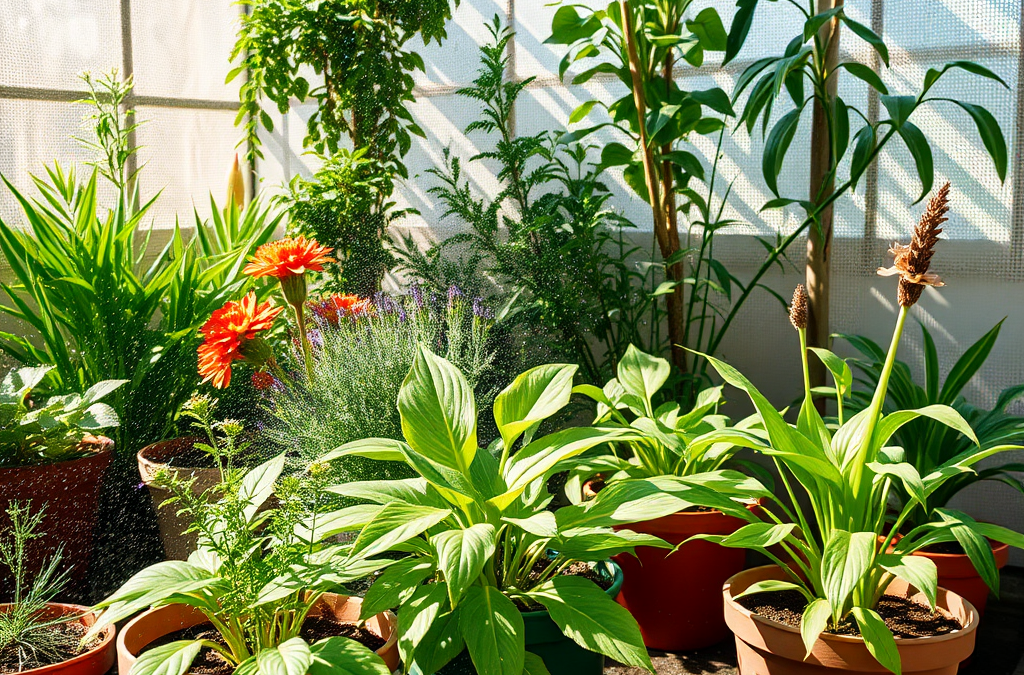
To reduce plant stress during heatwaves, ensure adequate watering, provide shade, and use mulch to retain soil moisture. It's crucial to water early in the morning or late in the evening to minimize evaporation. Additionally, consider using shade cloth or positioning plants strategically to protect them from intense sunlight, which can lead to wilting and sunburn. Mulching around plants helps insulate the soil and keeps roots cool, preventing heat stress effectively.
Understanding Plant Stress and Heatwaves
Plant stress occurs when plants are unable to cope with environmental conditions, such as extreme heat, which can lead to wilting, sunburn, or even death. During heatwaves, the risk of heat stress increases significantly due to elevated temperatures and reduced moisture availability. Understanding the physiological responses of plants to heat is essential for effective management. When temperatures rise, plants may close their stomata to reduce water loss, which in turn limits photosynthesis and growth. This can create a vicious cycle where the plant becomes more stressed as it struggles to maintain its vital functions.
Common signs of heat stress include drooping leaves, browning leaf edges, and stunted growth. Plants that are already stressed due to poor soil conditions or lack of nutrients are even more susceptible to the effects of heat. This highlights the importance of proactive care before a heatwave occurs, ensuring that plants are healthy enough to withstand harsh conditions.
Effective Watering Techniques
Watering is the most critical factor in reducing plant stress during heatwaves. It is essential to adopt effective watering techniques that maximize moisture retention and minimize evaporation. Watering in the early morning or late evening is ideal, as temperatures are cooler, and wind speeds are lower, reducing water loss. Deep watering is also recommended; rather than frequent shallow watering, aim to saturate the soil to a depth of at least 6-12 inches. This encourages roots to grow deeper, enhancing the plant’s ability to access moisture during dry spells.
For container plants, ensure that pots have adequate drainage to prevent waterlogging while still providing enough moisture. Installing drip irrigation systems can be an efficient way to deliver water directly to the roots, minimizing waste and ensuring that the plants receive consistent moisture. Additionally, consider incorporating water-retaining crystals into the soil, which can help retain moisture and reduce the frequency of watering.
Utilizing Shade and Protection
Providing shade is a highly effective method to protect plants from the harsh effects of heatwaves. This can be achieved using shade cloths, row covers, or even strategically placed garden furniture. Shade cloths come in various densities, allowing you to choose the right amount of light penetration based on the specific needs of your plants. For example, tender seedlings and annuals may benefit from 50% shade, while established plants may only need 30% shade to thrive.
In addition to artificial shading, consider utilizing natural shade from larger plants or trees in your garden. Positioning vulnerable plants in these shaded areas can significantly reduce heat stress. Another protective measure is to create windbreaks using fences or taller plants, which can help reduce drying winds that exacerbate stress conditions. Regular monitoring of plant health during heatwaves will ensure that adjustments can be made promptly.
Soil Management with Mulching
Mulching is a powerful technique for managing soil temperature and moisture levels, ultimately reducing plant stress during heatwaves. A thick layer of organic mulch, such as straw, wood chips, or bark, can insulate the soil, keeping it cooler and helping to retain moisture. Aim for a mulch depth of 2-4 inches, ensuring that it does not touch the stems of plants to prevent rot.
In addition to temperature regulation, mulch also suppresses weeds, which compete for moisture and nutrients. This is particularly important during heatwaves when every drop of water counts. As mulch breaks down, it also enriches the soil with organic matter, promoting healthier root systems and improving overall plant resilience. Regularly replenish mulch as it decomposes to maintain its effectiveness.
Frequently Asked Questions
What are the signs of heat stress in plants?
Signs include drooping leaves, browning edges, wilting, and stunted growth.
How often should I water my plants during a heatwave?
Water early in the morning or late in the evening, ensuring deep saturation at least 6-12 inches deep.
Can mulch help prevent heat stress?
Yes, mulch insulates the soil, retains moisture, and suppresses weeds, all of which help reduce heat stress.
What type of shade cloth should I use?
Choose shade cloth based on the plants' needs; 50% shade for delicate seedlings, 30% for established plants.
How can I improve my soil for heat resistance?
Incorporate organic matter like compost and use mulch to improve moisture retention and overall soil health.
Conclusion
Reducing plant stress during heatwaves requires a proactive approach that includes effective watering, strategic shading, and proper soil management. By implementing techniques such as deep watering, using mulch, and providing shade, gardeners can help their plants thrive even in extreme conditions. Regular monitoring and adjustments based on plant responses will ensure a healthier garden, capable of withstanding the challenges posed by heatwaves.


