
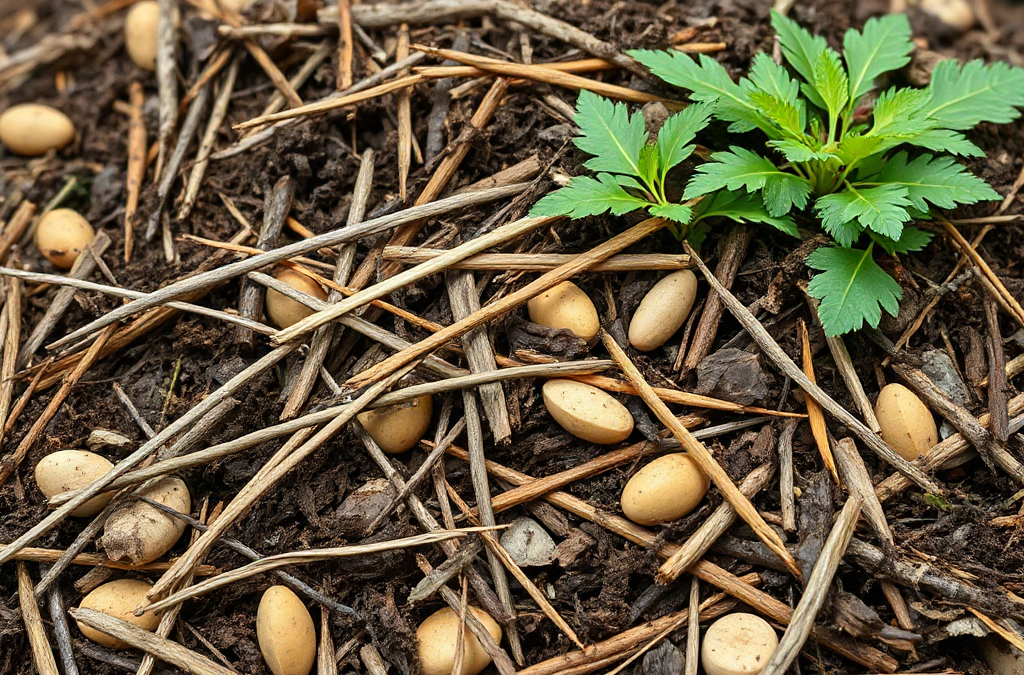
Create a healthy compost for your garden by combining moist nitrogen-rich greens, dry carbon-rich browns, air, and water in balanced layers, then turning the pile when it becomes compacted or uneven. Vegetable scraps, fresh weeds, and grass clippings supply nitrogen, while dry leaves, shredded cardboard, and small twigs provide carbon and structure. Chop bulky material, keep the pile damp like a wrung-out sponge, and cover food scraps with browns to reduce odors and pests. Avoid meat, dairy, pet waste, diseased plants, and treated materials. Finished compost becomes dark, crumbly, earthy-smelling, and no longer warm before it is mixed into soil or used as mulch.
Build the Right Compost Ingredients
A healthy compost pile begins with a deliberate mix of plant materials rather than a random heap of kitchen scraps. The most useful ingredients are greens, which are relatively rich in nitrogen, and browns, which supply carbon and physical structure. Greens include fruit and vegetable trimmings, coffee grounds, fresh weeds without mature seed heads, and small amounts of fresh grass clippings. Browns include dry leaves, shredded plain cardboard, untreated paper, straw, and small woody pieces.
Each material performs a different job. Nitrogen supports the microorganisms responsible for decomposition, while carbon provides energy and helps prevent a wet mass of scraps from collapsing into an airless clump. A pile made almost entirely from food waste often turns slimy and smells sour. A heap made only from dry leaves may remain intact for months because the organisms lack enough nitrogen and moisture to work quickly.
Size also affects the result. Chopping melon rinds, stalks, and thick stems into smaller pieces exposes more surface area to decomposers. Dry leaves break down faster after shredding, although leaving some larger pieces can improve airflow. A practical household batch might combine a bucket of vegetable scraps with several buckets of dry leaves or shredded cardboard. The exact volume is less important than watching the pile’s condition as it develops.
Some materials should stay out. Do not add meat, fish, bones, dairy products, cooking oils, pet feces, glossy paper, chemically treated wood, or plants heavily affected by persistent disease. Ordinary backyard compost may not reach the sustained heat needed to neutralize every pathogen or weed seed. If a municipal program accepts items that a home pile should avoid, follow the program’s separate instructions. For more garden-specific soil decisions, the how to create a healthy compost for your garden process should be considered alongside the needs of the bed where the finished material will go.
Balance Carbon, Nitrogen, Air, and Water
Compost decomposes efficiently when carbon-rich browns, nitrogen-rich greens, oxygen, and moisture remain in workable balance. Gardeners do not need to calculate a laboratory carbon-to-nitrogen ratio, but they do need to respond to physical clues. A pile that is wet, dense, and unpleasant usually needs more dry browns and more air. A pile that is dry, cool, and unchanged may need additional moisture and fresh greens.
Layering is a useful starting method. Place coarse browns at the base, add greens, then cover exposed scraps with another layer of browns. Continue alternating materials loosely rather than pressing them down. The brown cover reduces flies and discourages animals, while coarse stems or small twigs create channels where air can move. Shredded cardboard can absorb excess liquid, but too much of it may form compact mats, so tear it into small pieces and mix it with leaves.
Moisture should resemble a wrung-out sponge: damp throughout, but not dripping when squeezed. A sheltered bin may need water during hot, dry weather; an uncovered pile may need a cover during prolonged rain. Excess water fills the air spaces between particles and promotes anaerobic decomposition, which produces strong odors. Too little water slows microbial activity and leaves dry leaves stiff and brittle.
Airflow is the factor many beginners underestimate. Turning the pile with a fork introduces oxygen and redistributes wetter and drier pockets. A small bin may only need occasional turning when it becomes compacted, while a large active pile benefits from more regular checks. Do not chase maximum heat by packing material tightly. A slower, cooler pile can still produce useful compost, particularly when space, time, or physical effort makes frequent turning impractical.
Use this compact check when adjusting the mixture:
- Wet or sour: add dry leaves or cardboard and loosen the pile.
- Dry and inactive: add water gradually and mix in fresh greens.
- Strong ammonia smell: reduce the concentration of fresh grass or food scraps with carbon material.
- Large intact pieces: chop or shred them before returning them to the pile.
These adjustments are more reliable than adding ingredients according to a fixed recipe. A shaded bin in a rainy climate behaves differently from a sun-exposed pile in dry soil, so observation should guide the next step.
Manage Heat, Odors, and Decomposition
Heat is a useful sign of active microbial decomposition, but it is not the only measure of healthy compost. A well-mixed pile may warm after fresh material is added, then cool as easily decomposed food is consumed. Turning exposes cooler outer material to the active center and can restart decomposition when the heap has settled.
Odor reveals a different problem. A clean earthy smell suggests oxygen is reaching the material. A rotten-egg odor points to oxygen-poor conditions, while an ammonia smell usually indicates too much nitrogen-rich material relative to carbon. In either case, do not mask the odor with additives. Pull the pile apart, mix in dry browns, and correct the moisture level. Covering scraps with leaves is more useful than simply adding more food waste.
Temperature also depends on pile size. A very small container loses heat quickly, so it may decompose slowly even when the mixture is sound. A larger mass retains heat but can become compacted in the middle. A bin with ventilation holes or an open-sided structure offers better airflow than a sealed container, provided the contents are protected from excessive rain and animal access.
Consider two common approaches. A passive pile receives material over time and may take longer, but it requires less turning and suits gardeners who have limited time. An active batch is assembled with a deliberate balance of ingredients and turned more often; it can finish sooner, but it demands more material at once and more monitoring. Neither method is automatically better. Choose passive composting for convenience, or an active batch when you have enough browns and want a more predictable schedule.
Fresh grass clippings illustrate why moderation matters. A thick layer can heat rapidly, mat together, and produce ammonia. Mixing the clippings with dry leaves or spreading them briefly to wilt before adding them reduces that risk. Likewise, a large quantity of wet produce scraps should be distributed through the pile rather than dumped in one pocket. The practical goal is an even, oxygenated habitat for decomposers, not a constantly hot pile at any cost.
For broader soil-management context, how to create a healthy compost for your garden works best when compost management is connected to drainage, mulch depth, and the existing texture of the planting bed.
Recognize Finished Compost and Use It Safely
Finished compost is usually dark brown to nearly black, crumbly, and earthy-smelling. Original ingredients may still be visible in small amounts, but the material should no longer resemble fresh food scraps or produce noticeable heat in the center. If it smells sour, feels slimy, or contains many recognizable scraps, let it mature longer and improve airflow before using it around plants.
Do not assume that dark color alone proves maturity. A pile can look finished on the outside while woody material remains undecomposed inside. Return coarse pieces to an active pile or screen them out for another cycle. Immature compost may continue decomposing after it is mixed into soil, temporarily competing with plant roots for available nitrogen. That risk is greater when large amounts are incorporated into a seedbed.
Use mature compost as a soil amendment, a thin surface dressing, or an ingredient in a potting mixture only when it is clean and fully stabilized. Mix a modest layer into garden soil before planting rather than filling a hole entirely with compost. Pure compost can hold water differently from surrounding soil and may settle, so blending it through the root zone creates a more consistent growing medium. A surface application around established plants can also add organic matter while limiting disturbance to roots.
Compost does not replace every soil input. It contributes organic matter and a range of nutrients, but the nutrient content is variable and depends on the ingredients and management. A vegetable bed with a known deficiency may require a separate soil test and targeted amendment. Adding more compost is not always the correct response to weak growth, poor drainage, or yellow leaves.
Before using a batch, check for contaminants and the plants that supplied it. Avoid applying compost made from unknown grass clippings if the source may have used persistent herbicides. Do not use compost containing pet waste on edible crops unless it has gone through a properly managed process designed for that material. When in doubt, reserve questionable material for ornamental areas or leave it to mature while investigating the source.
Troubleshoot a Slow or Unhealthy Compost Pile
A slow pile is not necessarily a failed pile. Cold weather, small volume, dry conditions, and woody ingredients can all extend decomposition time. First inspect moisture and particle size, then look for compaction. Adding a large amount of kitchen waste rarely solves a slow pile if the underlying problem is lack of air or excess dryness.
If the contents are dry inside, mix them while adding small amounts of water. If they are wet and heavy, spread the material temporarily, blend in dry leaves, and rebuild it loosely. If only a few bulky items remain, remove them, chop them, and return them. These simple interventions address the physical causes of slow decomposition rather than relying on commercial starters, which are not a substitute for suitable moisture, oxygen, and feedstock.
Pests usually indicate exposed food or an accessible bin rather than a need for pesticide. Bury scraps in the center, cover them with browns, and use a secure lid or mesh barrier where rodents are a concern. Do not add more food to a pile that already has a persistent odor until the imbalance has been corrected. A brief pause in feeding can give the existing material time to stabilize.
Keep expectations realistic. Home composting is a biological process affected by season, climate, bin design, and the material available. Record what you add for the first few weeks, note whether the pile dries or compacts, and adjust one condition at a time. That approach makes it easier to identify whether moisture, carbon, nitrogen, or airflow is limiting progress. Once the compost becomes stable and earthy, use it to support a broader soil plan rather than treating it as a cure for every garden problem.
Frequently Asked Questions
What is the best mixture for garden compost?
Combine nitrogen-rich greens such as vegetable scraps and fresh weeds with carbon-rich browns such as dry leaves, shredded cardboard, and straw. Adjust the blend based on moisture, odor, and airflow rather than using a rigid measurement.
How wet should a compost pile be?
It should feel damp like a wrung-out sponge. Add water gradually to dry material, or mix in dry browns and loosen the pile when it is soggy.
Why does compost smell bad?
Bad odors usually result from excess moisture, compaction, or too much nitrogen-rich material. Turn the pile and add dry leaves or shredded cardboard to restore air space and balance.
Can weeds go into compost?
Young weeds without mature seeds are generally more suitable for a home pile. Avoid weeds with seed heads unless the pile is managed at temperatures and conditions capable of destroying seeds.
When is compost ready to use?
Use it when it is dark, crumbly, earthy-smelling, and no longer warm or recognizable as fresh scraps. Let unfinished material mature longer before mixing it into soil or placing it near roots.
Conclusion
Good compost comes from managing conditions, not from collecting the largest possible pile. Combine fresh nitrogen-rich material with plenty of dry carbon, keep the contents damp but not saturated, and preserve air spaces by mixing rather than compressing the heap. Cover food scraps with browns, monitor odors, and adjust the pile when it becomes wet, dry, dense, or unusually sharp-smelling. Choose a passive or active method according to the time and materials you can realistically provide. Wait for a stable, earthy-smelling finished product before using it, and blend it with garden soil instead of treating compost as a complete replacement for soil testing or targeted amendments. A small, well-managed pile is more useful than a large neglected one.


