
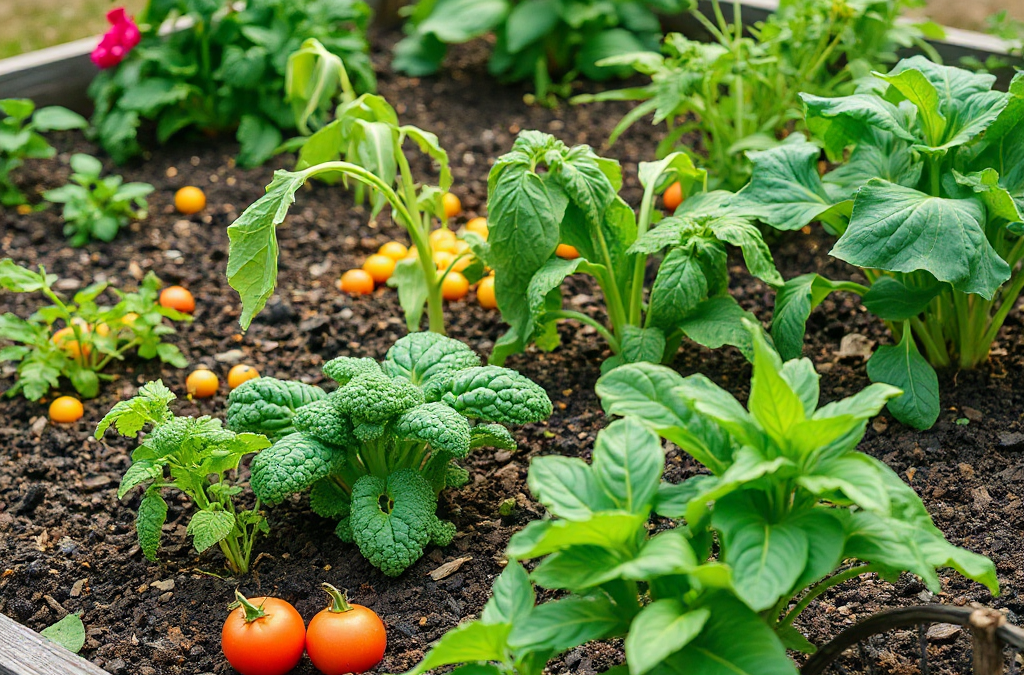
Create a productive home vegetable garden by matching crops to sunlight and climate, improving compacted soil with finished compost, spacing plants for airflow, and using succession planting instead of filling every bed at once. Choose vegetables your household will actually eat, place thirsty crops near a reliable water source, and reserve room for paths so harvesting does not compact growing areas. A simple crop calendar can replace finished lettuce, radishes, or peas with warm-season plants, extending harvests from the same space. Check leaves and soil regularly, water deeply when needed, mulch exposed ground, and correct problems early; overcrowding, poor drainage, and planting outside the suitable season are common causes of disappointing yields.
Choose a Site That Can Support Consistent Growth
A productive vegetable plot begins with a site that receives enough direct light, drains reasonably well, and is convenient to visit. Most fruiting crops, including tomatoes, peppers, cucumbers, beans, and squash, perform best with several hours of strong sun, while leafy greens may tolerate some afternoon shade. Observe the proposed area at different times of day before digging; a space that looks bright in the morning may be shaded by a house or tree when plants need their strongest light.
Water access matters almost as much as sunlight. If a bed is far from a tap, watering may become an unpleasant chore, and missed watering is especially damaging to seedlings and newly transplanted crops. A short hose, accessible rain barrel where permitted, or well-placed watering can reduce that friction. Avoid low spots where water remains after rain, because saturated roots lack oxygen and may decline even when the surface looks fertile.
Use the available space according to its constraints rather than forcing a traditional layout. A narrow bed can produce efficiently with trellised peas, pole beans, cucumbers, or compact tomatoes, while a broad open area may suit blocks of corn or sprawling squash. Raised beds can improve access and drainage, but they cost more and dry faster than in-ground beds. In-ground growing often uses space economically, provided the soil is workable and not contaminated by an unknown previous use.
Before planting, sketch paths, bed dimensions, and mature plant size. Leave enough room to reach the center without stepping on growing soil. A common failure is measuring only the seedling size; a tomato or zucchini that fits easily in spring can shade neighboring crops by midsummer. Prioritize sunlight, access, and drainage first, then add decorative features or extra varieties.
Build Fertile Soil and Plan Efficient Beds
Healthy soil supplies roots with air, water, minerals, and physical support. Test the soil through a local extension service or reputable laboratory before adding large quantities of lime, fertilizer, or other amendments. A test can reveal whether the main limitation is acidity, low organic matter, or an excess of a nutrient. Adding products without knowing the starting condition may create an imbalance rather than solve the original problem.
Finished compost can improve the structure of many garden soils by adding organic material, but it is not a universal substitute for fertilizer or a cure for poor drainage. Mix amendments gently into the upper soil rather than repeatedly turning deeply and disturbing its structure. In a heavy clay site, organic matter and permanent paths may improve workability over time; in sandy soil, compost and mulch can help the root zone hold moisture longer. Neither approach removes the need to choose crops suited to the site.
Bed design should make productive use of both horizontal and vertical space. Plant quick crops such as radishes or baby greens between slower crops only when their harvest will not disturb developing roots. Trellises move vining crops upward, but they must be installed before vines become tangled. Group crops with similar water and light needs so irrigation is easier to manage. For example, thirsty cucumbers may be a poor neighbor for herbs that prefer drier conditions.
Do not interpret dark, rich-looking soil as permission to add more fertilizer. Excess nitrogen can produce lush leaves with few tomatoes, peppers, or beans, and runoff can carry nutrients away from the bed. A practical priority list is soil test, drainage, compost or mulch where justified, then measured feeding based on crop needs. Cover bare ground with organic mulch after seedlings are established, keeping it away from stems to reduce persistent dampness and rot.
Select Crops, Timing, and Succession Plantings
Crop selection determines whether a garden supplies useful food or becomes an expensive collection of plants. Begin with vegetables that match local growing conditions and your household’s eating habits. A small bed of frequently harvested greens, herbs, beans, or cherry tomatoes may provide more value than a large planting of a crop nobody cooks. Compare days to maturity, mature size, disease resistance, and whether a variety is suited to containers, beds, or short seasons.
Timing should follow local frost information and the crop’s temperature preference. Cool-season vegetables such as peas, spinach, and many lettuces can be planted when conditions are mild, while beans, cucumbers, and peppers need warmer soil and air. Starting warm-season plants too early can produce weak, stalled growth; waiting too long can shorten the harvest. Seed packets and local university extension calendars are useful starting points, but microclimates near walls, slopes, and shaded buildings can shift actual conditions.
Succession planting increases output by using the same space more than once. Sow a short row of lettuce or radishes, then repeat after an interval suited to the crop and weather. When peas finish, remove spent plants and prepare that space for a warm-season crop if the calendar allows. This approach is usually more reliable than planting the entire seed packet on one day, which can create a glut followed by an empty bed.
Crop rotation is harder in a small garden, but even modest changes can reduce repeated pressure from some soil-associated pests and diseases. Avoid placing tomatoes, peppers, eggplants, or potatoes in the same exact soil year after year when another arrangement is possible. A common mistake is maximizing plant count rather than harvestable growth. Overcrowded plants compete for light and air, stay wet longer after rain, and become harder to inspect. Follow spacing guidance, then adjust only when you understand the variety’s mature size.
Manage Water, Pests, and Harvests
Water the root zone thoroughly and adjust frequency to weather, soil, crop stage, and container size. Shallow daily sprinkling can encourage a thin surface root system, while a slower application that moistens the main root area is often more useful. Seedlings need closer attention than established plants, and containers may dry rapidly during hot, windy weather. Check the soil below the surface rather than relying only on a wilted leaf; some plants droop temporarily in heat without needing another soaking.
Mulch helps reduce evaporation, suppresses weed competition, and limits soil splashing onto leaves, but it should not be piled against stems. Drip lines or soaker hoses can keep foliage drier than overhead watering, although they require correct placement and occasional inspection for blocked or shifted emitters. Signs of a failing watering plan include cracked soil, persistently yellow lower leaves, standing water, or plants that recover only briefly after irrigation.
Inspect plants at least weekly, looking beneath leaves and around new growth. Early detection of chewing, stippling, sticky residue, wilting, or discolored leaves allows you to identify the problem before applying a broad treatment. Remove badly affected leaves when appropriate, improve airflow, use physical barriers for susceptible crops, and confirm the pest before selecting a product. The least disruptive option is not always the fastest, but indiscriminate spraying can harm pollinators and beneficial insects while leaving the underlying issue unchanged.
Harvesting is part of production, not merely the final task. Pick beans while pods are tender, harvest leafy greens in stages, and remove overripe cucumbers or squash before they divert the plant toward seed production. Tomatoes can be picked when they begin to color if cracking or pests are a concern, then finished indoors at room temperature. Keep a brief record of sowing dates, harvest amounts, disease problems, and varieties. That record turns one season’s failures into better choices for the next planting.
Readers comparing how to create a productive home vegetable garden with a purely ornamental layout should remember that productivity depends on repeated attention. A garden does not need perfect conditions; it needs a manageable routine. Spend limited time on watering checks, harvesting, weed removal before weeds seed, and early pest inspection before adding more crops.
Frequently Asked Questions
How much sunlight does a vegetable garden need?
Fruiting crops usually need strong direct sunlight for much of the day. Leafy greens and some herbs can manage with less, particularly if they receive morning light and protection from intense afternoon heat.
Should compost replace garden fertilizer?
No. Compost improves organic matter and soil structure, but a soil test and crop needs should determine whether additional nutrients are warranted.
What vegetables are easiest for a first garden?
Leaf lettuce, radishes, bush beans, herbs, and certain compact tomatoes are practical choices because they mature relatively quickly or provide repeated harvests. Local climate and variety still matter.
How can a small garden produce more food?
Use succession planting, trellises, compact varieties, and carefully planned paths. Harvest quick crops before slower plants need the full space, and avoid overcrowding.
Why do vegetable plants grow leaves but produce little food?
Excess nitrogen, inadequate light, heat stress, poor pollination, or planting a crop outside its preferred season can contribute. Check light, nutrition, spacing, and local weather before adding fertilizer.
Conclusion
Productivity comes from coordinating a few conditions rather than packing every available space with plants. Choose the sunniest convenient site, protect the root zone with workable soil and appropriate moisture, and grow varieties that fit both the season and your kitchen. A seasonal crop plan makes succession planting possible, while sensible spacing preserves airflow and access for harvesting. Keep the management routine small enough to maintain: inspect plants, check soil moisture, harvest promptly, and record what performed well. If a garden is limited by shade, time, or water, grow fewer crops with higher use value instead of compensating with density. The next practical step is to map the site, identify its light pattern, select a short crop list, and schedule the first plantings around local conditions.
Further Reading
Authoritative Sources
- Vegetable Gardening: A Beginner's Guide
content.ces.ncsu.eduThis publication provides information about planning and maintaining a home vegetable garden. Topics include site selection, soil preparation, and pest an…
- Crop Planning: A year in my home Garden
seattleurbanfarmco.comFor gardens to be productive and tidy, we make sure they have plenty of light, water, and nutrients; we work to keep pest pressure low; and we ...
- How to Start a Vegetable Garden (Beginner's Guide)
almanac.comBelow is a simple, step-by-step plan to help you choose the right location, prepare your soil, select easy crops, and plant at the right time ...
- Vegetable Gardening - National Agricultural Library - USDA
nal.usda.govThe basics of starting or planting a vegetable garden can be achieved in six simple steps: Planning; site selection; soil preparation; planting your seeds; ...


