
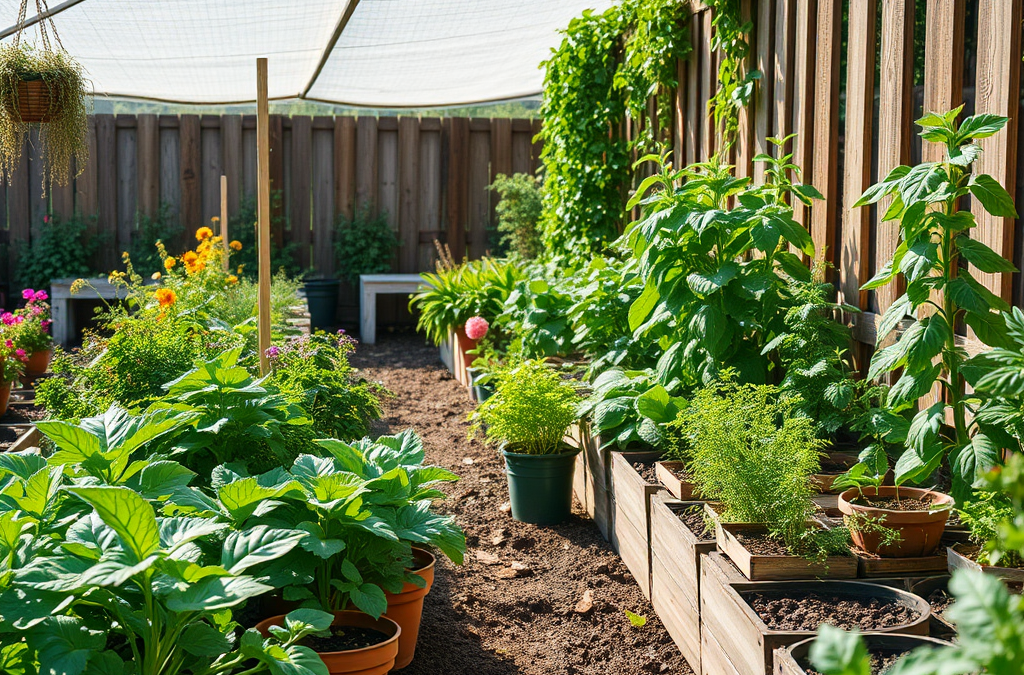
How to make the most of your gardening space begins with mapping sunlight, grouping crops by height and water needs, and using vertical or succession planting where it genuinely fits. Place tall crops on the north side so they do not shade shorter plants, grow compact varieties in containers, and replace finished crops instead of leaving beds unused. Trellises can increase usable growing area, but they need secure support and should not block light or airflow. Prioritize productive plants you will actually harvest, leave enough room to tend them, and improve the plan each season by noting which locations stayed sunny, became crowded, or dried out quickly.
Measure Light, Access, and Growing Conditions
Productive use of limited space starts with an accurate site map, not with buying more plants. Observe the area at several points during the day and mark which places receive full sun, partial shade, reflected heat, or little direct light. A sunny patch may suit tomatoes, peppers, herbs, and many vegetables, while a shaded corner may be more appropriate for leafy greens or a seating area rather than a struggling fruiting crop.
Measure the width of beds, containers, paths, fences, and doors. A narrow bed that looks spacious on paper can become difficult to harvest if plants spill into the walking route. Leave enough access to weed, inspect leaves, water at the base, and carry compost without stepping on growing soil. Reaching across a wide bed may also compact the soil or damage plants, so several smaller beds can outperform one oversized rectangle.
Water availability changes the value of every square foot. A container placed beside a spigot may be more useful than a larger bed at the far end of the property if the distant area is often neglected. Check whether roofs, walls, or pavement make one location hotter or faster-draining than another. Group plants with similar moisture needs rather than forcing thirsty crops and drought-tolerant herbs into the same irrigation zone.
A simple planning record should include:
- Hours and direction of direct sunlight.
- Bed or container dimensions and mature plant width.
- Convenient access for watering and harvesting.
- Wind exposure, reflected heat, drainage, and nearby roots.
A common mistake is treating unused-looking space as automatically suitable for planting. The strip beside a path may be too narrow for dependable production, and the ground beneath a dense tree may compete for water and light. Use those locations for trellises, compact containers, pollinator plants, or storage only when their conditions match the purpose. A clear map lets you prioritize high-value growing areas and prevents overcrowding before the season begins.
For a useful planning reference, compare your map with how to make the most of your gardening space by evaluating each location according to light, access, and water rather than area alone.
Use Vertical, Layered, and Container Space
Vertical growing adds production above the soil surface, but it works only when the support, crop, and location are compatible. Peas, pole beans, cucumbers, and some small-fruited melons can climb a trellis, freeing ground for herbs or quick leafy crops. Place the structure where it will not shade sun-loving plants; in many layouts, putting tall supports on the north side reduces unwanted shadow across the bed.
Strength matters more than appearance. A mature vine becomes heavier after rain, and fruit adds additional weight. Anchor a trellis firmly before planting, especially in exposed yards. Use mesh or a grid that matches the crop: thin tendrils need something they can grip, while heavier vines may need ties. Inspect the support as growth develops instead of waiting until it leans into a path.
Layering can also make a small area more productive. A bed might combine a taller tomato with low herbs, provided the lower plants still receive adequate light and airflow. Fast crops such as radishes or baby greens can occupy space between slower plants early in the season. This approach is different from packing every gap with seedlings; mature size, root competition, and harvest timing must remain workable.
Containers extend growing into patios, balconies, steps, and sunny edges. Choose a container for the crop rather than using one uniform size for everything. A shallow pot may suit herbs, but a fruiting plant usually needs more root volume and a stable base. Drainage holes are essential, and dark containers in hot locations may require closer moisture checks because they warm and dry quickly.
Vertical and container methods have tradeoffs. They can increase access and use hard surfaces, but they may require more frequent watering, purchased growing media, and regular tying or pruning. A trellis is a poor choice for a wind-exposed balcony if it becomes a sail, while a large container may be impractical where weight is restricted. Begin with one vertical feature or a few well-placed pots, then expand after confirming that watering and harvesting remain manageable.
Container placement should also protect the main bed from accidental shade. A tall pot near a south-facing window can block light for shorter plants, and a climbing crop beside a doorway can turn routine access into a daily obstacle. Practical layout beats maximum plant count. The goal is usable harvest from space that can be maintained, not a crowded display that declines by midsummer.
Choose Crops and Planting Patterns That Earn Their Space
Space efficiency improves when the crop list reflects household use, local growing conditions, and harvest frequency. A plant that produces a large amount of food in a small footprint may deserve priority over a sprawling crop that is rarely eaten. Fresh herbs, salad greens, compact peppers, climbing beans, and repeated plantings of quick crops can be valuable in small gardens because they provide frequent harvests without requiring a large block of ground.
Read the mature width on seed packets or plant labels rather than spacing seedlings according to their current size. Crowding can appear efficient in spring, yet dense foliage often reduces airflow, complicates inspection, and keeps leaves wet longer after irrigation or rain. Plants may also compete for light and become difficult to harvest. Tight spacing is sometimes suitable for baby greens, but it is not a universal shortcut for higher yield.
Use a mix of fixed and temporary plantings. Slow-growing crops can occupy a bed for months, while radishes, spinach, or young lettuce may be harvested before a later crop needs the same area. Succession planting means sowing a small amount again after an earlier crop is harvested, rather than planting the entire supply on one date. This spreads work and harvests and reduces the empty intervals that commonly waste garden space.
A practical sequence might look like this:
- Reserve the brightest locations for crops that need strong light to flower or fruit.
- Place tall crops where they cast the least damaging shade.
- Fill early gaps with quick crops that can be removed before larger plants expand.
- Schedule a replacement crop for each bed after the first harvest.
Pairing plants should be based on compatible growth habits, not claims that one plant will automatically improve another. A low-growing herb beneath a trellised crop may use space well if irrigation and light remain adequate. Two vigorous plants with similar root zones may instead compete and create a dense, difficult-to-manage canopy. Observe whether each combination leaves enough room for air movement and harvest access.
Prioritize plants that offer either repeated harvests or a clear reason for occupying space. A single zucchini plant can require more room than expected, so it may be worth growing only one if household demand is modest. Compact or bush varieties can be useful, but their labels should not be treated as guarantees; even compact plants need enough light, nutrition, and room for mature foliage. A thoughtful crop list often creates more usable output than simply adding another row.
Maintain Productivity Without Creating Crowding
Efficient garden design depends on maintenance because every square foot must remain accessible and productive. Check plants regularly for leaning stems, blocked paths, dry containers, weeds competing with young crops, and leaves hiding early pest damage. Small corrections are easier than repairing a collapsed trellis or trying to harvest through an impenetrable canopy.
Water at the root zone when possible and inspect containers more often than in-ground beds. Small pots can dry quickly during hot weather, especially when placed against masonry. Mulch can reduce evaporation around suitable in-ground plants, but it should not bury stems or remain piled against woody trunks. If a location repeatedly dries out faster than you can manage, replace a thirsty crop with a more forgiving one rather than treating constant stress as a design success.
Pruning and training can preserve pathways, but aggressive removal is not automatically space-saving. Remove damaged growth and guide vines where appropriate, while retaining enough healthy foliage for the plant to function. Determinate tomatoes, compact peppers, and bush beans may be easier choices for a low-maintenance layout than sprawling varieties that require continual support. The best option depends on how much time you can give the garden each week.
Track results with brief notes. Record which beds received enough light, which containers needed repeated watering, and which crops were harvested before they became crowded or unappealing. Signs that the layout is working include clear access, sturdy supports, healthy foliage with reasonable airflow, and harvests that do not require damaging neighboring plants. Signs of failure include persistent mildew-like problems, yellowing from competition or poor drainage, broken supports, and paths that disappear under growth.
Review the plan after each season instead of preserving it unchanged. Move a crop if a nearby fence or tree has altered shade, reduce varieties that produced more than your household could use, and reserve room for crops with better repeat value. Space efficiency is not a contest to fit the greatest number of plants into a bed. It is a balance among harvest, light, water, access, soil condition, and the time available for care.
For a more focused seasonal review, use how to make the most of your gardening space as a checklist: measure first, assign crops by conditions, build only the supports you can maintain, and leave enough room to work.
Frequently Asked Questions
What is the first step in using a small gardening space well?
Map sunlight, dimensions, water access, drainage, and pathways before choosing crops. Space that cannot be reached or watered reliably may not be suitable for intensive planting.
Does vertical gardening always produce more?
No. It can add growing area for suitable climbing crops, but supports require room, anchoring, and maintenance. Shade, wind, and watering demands may make a ground-level crop more practical.
How close together should plants be?
Use the mature spacing provided for the variety and adjust only when the crop and harvest goal support it. Baby greens can be grown densely, while fruiting plants generally need more room for light and airflow.
Which crops work well in limited space?
Compact herbs, salad greens, peppers, bush beans, climbing peas, and other crops with repeated harvests often make good use of small areas. Choose varieties according to mature size and household demand.
How can unused space remain productive between crops?
Use quick crops between slow-growing plants early in the season, then sow a replacement after harvest. Avoid filling every gap if doing so would obstruct access or create excessive competition.
Conclusion
Make each part of the growing area earn its place by matching plants to actual light, water, mature size, and access. Reserve the brightest positions for crops that need them, put tall growth where it casts the least shade, and use trellises or containers only when their maintenance demands fit your routine. Succession planting can keep beds productive after an early harvest, while careful spacing protects airflow and makes inspection easier. Start with a measured map and a short list of crops you will use regularly. After the season, note which locations stayed productive and which became crowded, dry, shaded, or difficult to reach. That record will produce a more efficient plan than adding plants without reconsidering the conditions that limit them.


