
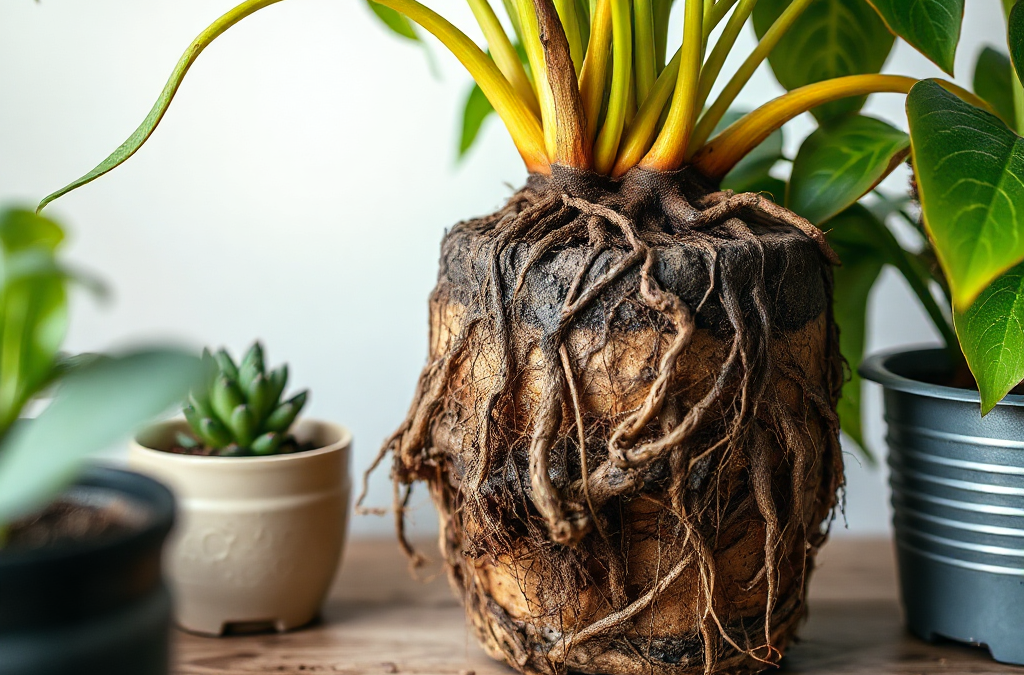
Common issues with starting a compost pile usually come from an unsuitable mix of wet nitrogen-rich scraps, dry carbon materials, poor airflow, or a pile that is too small to retain heat. A sour smell often means excess moisture or compaction, while slow breakdown commonly reflects too few fresh greens, large pieces, cold weather, or insufficient volume. Build the pile with alternating food scraps and dry browns, keep it as damp as a wrung-out sponge, and turn compacted material to restore oxygen. Avoid adding meat, dairy, pet waste, diseased plants, or chemically contaminated material to a basic backyard pile.
The Conditions A New Compost Pile Needs
A successful compost pile depends on a workable balance of carbon, nitrogen, moisture, oxygen, and material size. Microorganisms break down kitchen scraps, fresh weeds, and other nitrogen-rich inputs, while dry leaves, shredded cardboard, and small twigs supply carbon and physical structure. Water allows microbial activity to continue, but saturated material fills the air spaces that organisms need for aerobic decomposition.
New piles often fail because the ingredients are added in one-sided layers. A bin filled mostly with melon rinds, coffee grounds, and fresh grass may become dense and wet. A pile made almost entirely from autumn leaves may remain intact for months because it lacks enough nitrogen and moisture. Neither problem means composting is impossible; it means the pile’s working conditions need adjustment.
A useful starting mix includes several kinds of dry browns combined with a smaller but regular supply of greens. Shredded cardboard is especially helpful when food scraps are wet, while dry leaves provide volume and air pockets. Chop thick stems and large vegetable pieces before adding them. Smaller pieces expose more surface area to decomposers, although grinding every ingredient is unnecessary and can make the pile too dense.
Do not treat a compost ratio as a rigid recipe. The best correction depends on what you can observe. Add dry browns when the pile looks glossy, mats together, or smells fermented. Add a modest amount of fresh green material when it is dry, loose, and unchanged after several weeks. Readers comparing common issues with starting a compost pile should prioritize texture and odor over trying to measure every bucket precisely.
Bad Smells, Excess Moisture, And Compacting
Strong rotten, sour, or ammonia-like odors usually indicate that oxygen is limited or that nitrogen-rich material is concentrated in one area. Anaerobic microorganisms become more active when wet scraps collapse into a dense mass, and their byproducts create odors that a healthy, aerated pile generally avoids. A mild earthy smell is normal; a persistent foul odor is a sign to intervene.
Begin by checking the center rather than only the surface. Pull apart a handful of material and squeeze it. If liquid appears or the material holds together like mud, mix in dry leaves, torn cardboard, or untreated wood chips. Turn the pile so the wet center is distributed through drier material. If the contents are dusty and fall apart immediately, add water gradually while mixing rather than soaking the outside.
Compaction can occur even when the overall moisture level seems reasonable. Grass clippings, cooked vegetables, and fine coffee grounds tend to form dense layers, especially when they are dumped in a thick pile. Alternate them with coarse browns, and break up clumps as they are added. A pitchfork is often sufficient for a small pile; a hand cultivator may work better in a narrow enclosed bin.
Covering the pile can help during prolonged rain, but an impermeable cover placed tightly against wet material may trap condensation. A lid or roof that sheds rain while allowing some air movement is a better compromise. Do not respond to every smell by adding more browns without mixing: a dry layer on top will mask the problem while the oxygen-poor pocket remains underneath. The relevant compost pile troubleshooting decision is whether moisture, structure, or both are causing the odor.
Slow Breakdown And A Pile That Stays Cold
Slow decomposition is common in small household piles and does not automatically indicate failure. A pile may stay cool because it contains too little material to retain heat, receives mostly dry leaves, sits in cold weather, or has ingredients that are too large. Heat is useful evidence of active decomposition, but finished compost does not require a visibly hot pile.
Check the material before changing the whole system. If leaves still look dry and crisp, moisten and mix them with fresh greens such as vegetable trimmings or recently pulled weeds. If food scraps remain recognizable but the pile is wet and compacted, add coarse browns instead of more kitchen waste. If the pile is only a shallow layer at the bottom of a bin, wait for more volume or combine it with another batch.
Size creates a practical tradeoff. A larger pile can hold warmth and moisture more effectively, but it requires more ingredients and more effort to turn. A small tumbler may be convenient and clean yet cool quickly whenever it is opened or only partly filled. For a household producing scraps slowly, a passive leaf-and-scrap pile may be more realistic than trying to maintain rapid, hot decomposition.
Material preparation also affects timing. Whole corn cobs, thick branches, woody avocado skins, and large stalks break down more slowly than chopped scraps. Keep woody pieces as a coarse structural fraction or cut them smaller if you want them processed in the same batch. Turning every day is not automatically better; frequent disturbance can dry a small pile and adds work without solving an incorrect ingredient mix. Look for gradual softening, darker color, and fewer recognizable pieces as signs that the process is moving.
What Belongs In The Pile And What Does Not
Ingredient selection is one of the most preventable sources of trouble. Fruit and vegetable scraps, coffee grounds, tea leaves without plastic components, plain paper, cardboard, dry leaves, untreated grass clippings, and small amounts of plant trimmings are common backyard inputs. These materials vary in moisture and structure, so combining them is more useful than relying on one category alone.
A basic home pile should generally exclude meat, fish, bones, dairy, oily leftovers, and pet waste. Those materials can attract animals, create persistent odors, or introduce sanitation concerns when the pile does not reach and maintain controlled high temperatures. Weeds carrying mature seeds and diseased plant material also deserve caution. A basic pile may not reliably destroy every seed or plant pathogen, particularly when the center is cool.
Paper and cardboard need judgment. Plain, uncoated, non-glossy material can provide valuable carbon when shredded and mixed with wetter inputs. Avoid heavily coated paper, plastic-lined packaging, glossy promotional material, and anything contaminated with cleaning chemicals. Compostable packaging should not be assumed to break down in a backyard pile; many products require commercial processing conditions.
Location and contamination matter as much as the ingredient list. Do not add clippings from areas treated with a product unless the label and local guidance clearly support that use. Keep trash, produce stickers, plastic bags, and synthetic fibers out of the pile. A small amount of contamination is frustrating to remove later, while repeated contamination undermines the quality of finished compost. If uncertain, leave the material out and choose a known clean alternative.
A Practical First-Batch Troubleshooting Routine
Diagnosing a new pile works best as a short inspection rather than a series of random additions. First note the smell, surface appearance, and texture inside the pile. Then identify whether the dominant problem is wetness, dryness, compaction, insufficient volume, oversized pieces, or unsuitable ingredients. Correct one or two conditions at a time so you can tell which change made a difference.
Use this priority order for a stalled first batch:
- Remove obvious problem materials: take out plastic, pet waste, oily food, and other unsuitable additions.
- Restore structure: loosen compacted areas and mix in coarse dry browns.
- Adjust moisture: add water to dry material or absorbent browns to a saturated batch.
- Improve the mix: combine dry carbon with moderate amounts of fresh nitrogen-rich scraps.
- Check scale and weather: allow more time if the pile is small or conditions are cold.
A practical example is a bin containing a week of kitchen scraps that smells sour and has settled into a wet layer. Adding more food will intensify the problem. Pulling the layer apart, mixing in shredded cardboard and dry leaves, and creating air space addresses the mechanism directly. By contrast, a dry leaf pile with no odor needs some moisture and nitrogen, not repeated turning alone.
Finished compost is dark, crumbly, and mostly unrecognizable, with an earthy odor. It may contain a few sticks or stubborn pieces that can be screened and returned to a new batch. Do not rush unfinished material into seed-starting mix or directly around delicate seedlings; allow it to mature longer if it still heats, smells sharp, or contains many fresh scraps. A well-managed pile is a process, not a test that must produce finished compost on a fixed date.
For readers refining composting at home, the most useful record is simple: note what was added, whether the pile was wet or dry, when it was turned, and what changed afterward. That information quickly reveals whether the recurring issue is an ingredient habit, a drainage problem, or an unrealistic batch size.
For region-specific guidance on acceptable materials, bin design, and handling treated plant waste, consult local cooperative extension services, municipal composting programs, and government soil or waste-management resources. Their recommendations may reflect local climate, collection rules, and available processing facilities.
Frequently Asked Questions
Why does a new compost pile smell bad?
A foul or sour odor usually means the pile is too wet, compacted, or dominated by fresh nitrogen-rich material. Mix in dry browns and loosen the center to restore air.
How often should a beginner turn a compost pile?
Turn it when the center is compacted, overly wet, or noticeably odorous. A small household pile may need occasional mixing rather than a strict daily schedule.
Why is my compost pile not heating up?
It may be too small, too dry, mostly carbon-based, or exposed to cold conditions. Add moderate fresh greens, adjust moisture, and give the pile enough volume to retain warmth.
Can mold appear in a compost pile?
Visible fungal growth can occur as organic matter breaks down and is not automatically a problem. Mix the material, avoid breathing dusty spores, and correct persistent wetness or compaction.
Can weeds and grass clippings go into compost?
Clean grass clippings are useful when mixed with dry browns. Weeds with mature seeds or plants exposed to questionable chemicals are better excluded unless controlled processing is available.
Conclusion
Starting a compost pile becomes much easier when each symptom is treated as a clue. Sour smells point toward excess moisture or low oxygen; a dry, unchanged pile needs moisture, nitrogen, or smaller pieces; and a cool pile may simply be too small for rapid decomposition. Build around clean materials, mix wet scraps with dry structural ingredients, and inspect the center before making another change. Keep meat, dairy, pet waste, plastic, and questionable treated material out of a basic backyard system. Give small or cold-season batches realistic time, and judge progress by softening texture, darker color, and fewer recognizable ingredients rather than heat alone. A modest pile managed consistently will usually outperform a larger pile assembled from unbalanced layers.
Further Reading
Authoritative Sources
- EPA Safe Pest Control
epa.govOfficial information for safer pest-management decisions.
- USDA National Agricultural Library
nal.usda.govAgricultural and plant-science research resources.
- USDA NRCS Soil Resources
nrcs.usda.govOfficial soil health, conservation, and water-management information.
- Cooperative Extension Gardening Resources
extension.orgResearch-based gardening, soil, plant-care, and home-growing education.


