
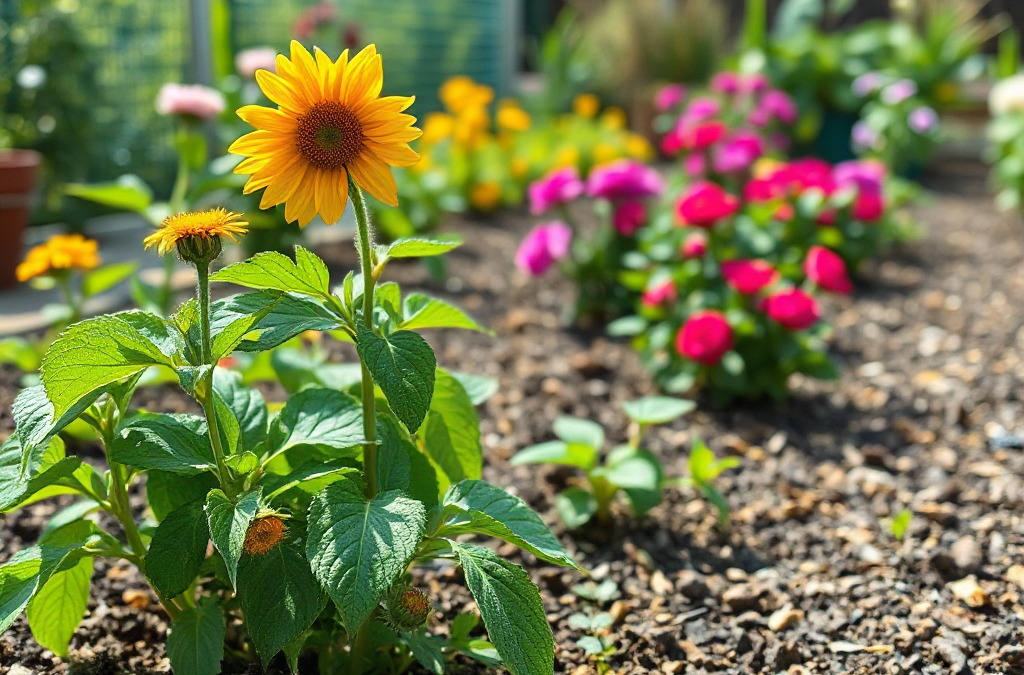
Your garden is not thriving in summer heat because intense sun increases water loss, hot soil stresses roots, and plants often struggle to absorb nutrients when moisture fluctuates. Check the root zone rather than judging the surface: dry soil several inches down, wilted growth that does not recover in the evening, leaf scorch, and blossom drop point to heat or water stress. Water slowly at the base during the cooler part of the day, apply organic mulch without touching stems, and provide temporary shade for vulnerable crops. Avoid adding fertilizer to severely wilted plants, since salt buildup and damaged roots can worsen the setback.
How Summer Heat Disrupts Garden Growth
Summer heat affects a garden through more than visible wilting. High temperatures raise evaporation from soil and transpiration from leaves, so a plant can lose water faster than its roots can replace it. When that imbalance continues, leaves may curl, flowers may drop, fruit may stop enlarging, and new growth can become short or distorted.
Heat also changes the daily rhythm of the garden. A container beside a sunny wall may become far hotter than an in-ground bed, while dark mulch or exposed soil can heat the upper root zone quickly. Leafy greens may turn bitter or bolt, lettuce may form loose heads, and tomato blossoms may fail to set when nights remain unusually warm. These are not signs that every plant needs more fertilizer; they often reflect a temperature limit or a water-supply problem.
Compare a plant that wilts at midday but regains firmness after sunset with one that remains limp overnight. The first may be responding to temporary atmospheric demand. The second suggests dry roots, root injury, disease, or a damaged vascular system and deserves closer inspection. Feel the soil several inches below the surface, inspect stems for soft or dark tissue, and look beneath leaves for pests before choosing a treatment.
Weak assumptions create avoidable damage. Watering whenever leaves droop can keep the surface wet while deeper roots remain dry, and shading every crop can reduce the light needed for fruit production. Use the plant’s condition, soil moisture, container size, and forecast together. A summer heat garden check should identify whether the immediate pressure is heat exposure, inadequate water, poor root conditions, or a combination.
Watering Problems That Look Like Heat Damage
Inconsistent watering is one of the most common reasons summer growth stalls. A dry root zone causes wilting and limits nutrient movement, but repeatedly flooding a dry bed can also harm plants by driving air from the soil. Roots need both moisture and oxygen. The goal is not permanently wet soil; it is a reasonably even moisture level suited to the crop and soil type.
Check moisture at root depth rather than relying on the top layer. Sandy soil may drain quickly and need closer monitoring, while compacted clay can remain wet near the surface and dry or become hydrophobic in other areas. Containers require special attention because roots have limited volume and potting mix can heat rapidly. A small pot may need water more often than a large bed even when both receive the same sunlight.
Apply water slowly at the soil surface until moisture reaches the main root zone. If water runs down the side of a container or beads on hard soil, pause and apply several smaller passes. Morning watering is usually practical because plants begin the day hydrated and foliage dries more quickly. During an extreme heat event, a careful evening watering may be useful when the root zone is genuinely dry, but repeatedly wetting foliage overnight can encourage disease on susceptible plants.
Mulch changes the calculation by reducing evaporation and moderating soil temperature. Use a layer of shredded leaves, straw, or finished compost around plants, leaving a small gap around stems. Mulch is not a substitute for irrigation; it slows moisture loss after the soil has been watered. A useful comparison is a mulched bed that receives deep, occasional watering versus bare soil receiving frequent shallow sprinkles. The first encourages more stable root conditions, while the second often produces surface roots that suffer quickly during hot weather.
Roots, Soil, And Nutrient Stress
Roots determine whether a plant can cope with summer demand. Compaction, poor drainage, root-bound containers, and recent transplant damage all reduce the effective root system. A plant may appear thirsty even after watering because injured or crowded roots cannot explore the available soil efficiently.
Inspect a struggling container plant by sliding it out carefully. Circling roots, a dense dry core, or roots pressed tightly against the pot indicate restricted space. Moving it into a much larger container during severe heat can create another shock, so provide temporary shade, hydrate the existing root ball, and transplant during a cooler period when possible. In a garden bed, a trowel can reveal whether water is penetrating or stopping at a compacted layer.
Heat stress and nutrient deficiency are easy to confuse. Pale leaves may reflect limited nutrient uptake caused by dry soil, while scorched margins can result from drought, salt accumulation, or fertilizer placed too close to roots. Adding a strong feed to a wilted plant is a frequent mistake: fertilizer salts can draw water away from root tissues and increase stress. Restore moisture first, then reassess new growth before feeding.
Different crops also have different summer thresholds. Basil and okra may continue growing in conditions that cause lettuce to bolt, while peppers may tolerate heat but drop flowers when water supply swings sharply. Fruit-heavy plants need steady root moisture during flowering and enlargement, but excessive nitrogen can produce lush foliage with fewer flowers. Review the crop’s growth stage before changing soil fertility. A root-zone assessment is more reliable than diagnosing the whole garden from one yellow leaf.
Practical Summer Recovery And Protection
Recovery works best when you correct the strongest stress first instead of changing several variables at once. Begin by checking soil moisture, drainage, sunlight exposure, and pests. Remove only leaves that are fully dead or diseased; partially damaged leaves can still contribute energy while the plant rebuilds.
Use shade strategically. A breathable shade cloth placed above tender crops can reduce afternoon intensity without sealing in heat, but it should not rest directly on foliage. Prioritize lettuce, newly transplanted seedlings, and plants showing sunscald. Mature sun-loving crops may need only afternoon protection. Permanent heavy shade can solve scorch while creating weak, stretched growth, so temporary coverage is often the better compromise.
Reduce additional stress during the hottest period. Avoid major pruning, root disturbance, lawn-herbicide drift, or heavy fertilization while plants are visibly wilted. Harvest ripe produce promptly so the plant does not carry unnecessary demand, and remove fallen fruit that may attract pests. Check drip emitters and soaker hoses for blocked sections; a single dry row can explain why one side of a bed is failing.
Use this compact priority order:
- Confirm whether the root zone is dry, saturated, or unevenly wet.
- Check stems, leaf undersides, and new growth for pests or disease.
- Slowly rehydrate dry soil and add suitable mulch.
- Provide afternoon shade for vulnerable crops and newly planted specimens.
- Delay fertilizer until plants show stable hydration and fresh growth.
Signs of improvement include firmer new leaves, normal evening recovery, fresh growth from the center, and fewer dropped flowers. If stems collapse, roots smell sour, lesions spread, or the plant fails to recover after the root zone is corrected, heat may not be the primary cause. Remove severely diseased material, improve drainage, or consult a local extension service for crop-specific diagnosis. The summer recovery process should be adjusted to the plant, not applied uniformly across every bed.
Frequently Asked Questions
Should I water a wilted garden immediately?
Check the soil first. If the root zone is dry, water slowly at the base; if it is already wet, investigate root damage, disease, or excessive heat exposure.
Can summer heat cause flowers to fall off?
Yes. High daytime or nighttime temperatures can interfere with pollination and cause blossom drop, especially when moisture levels also fluctuate.
Is mulch useful during a heat wave?
Mulch can reduce evaporation and moderate soil temperature, but it should be applied over moist soil and kept away from plant stems.
Should I fertilize plants that are growing poorly in summer?
Not while they are severely wilted. Correct moisture and root stress first, then reassess new growth before applying a mild, crop-appropriate feed.
Why are containers struggling more than garden beds?
Containers hold less soil, heat faster, and lose water more quickly. Larger containers, afternoon shade, and thorough watering can reduce those swings.
Conclusion
A struggling summer garden needs diagnosis before treatment. Check the root zone, confirm that irrigation is reaching the roots, and distinguish temporary midday wilt from damage that persists through the night. Stable moisture, suitable mulch, and targeted afternoon shade usually deserve attention before fertilizer or aggressive pruning. Inspect containers and compacted beds because restricted roots can make a watered plant behave like a drought-stressed one. Protect tender crops while allowing heat-tolerant plants to retain adequate light and airflow. If new growth remains weak after moisture and exposure are corrected, examine pests, drainage, salt buildup, and disease rather than assuming temperature is solely responsible. Small, measured changes make it easier to identify what restores growth and what creates another source of stress.
Further Reading
Authoritative Sources
- Cooperative Extension Gardening Resources
extension.orgResearch-based gardening, soil, plant-care, and home-growing education.
- USDA NRCS Soil Resources
nrcs.usda.govOfficial soil health, conservation, and water-management information.
- EPA Safe Pest Control
epa.govOfficial information for safer pest-management decisions.
- USDA National Agricultural Library
nal.usda.govAgricultural and plant-science research resources.


