
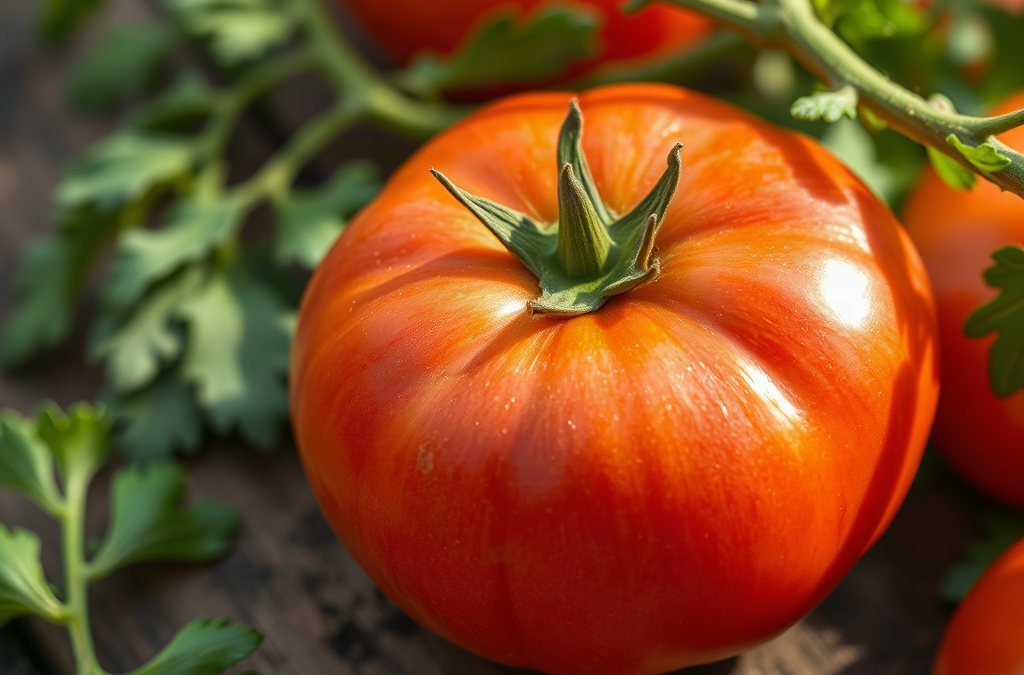
Recognize overripe vegetables by checking firmness, color, smell, surface condition, and whether the interior has softened or begun to ferment. A tomato that is very soft but smells fresh may still suit sauce, while slimy okra, leaking peppers, moldy squash, or vegetables with a sour odor should be discarded. Harvest timing matters because warmth accelerates moisture loss, enzymatic softening, and microbial growth after peak maturity. Inspect produce individually rather than judging an entire basket, remove damaged pieces promptly, and refrigerate vegetables that benefit from cold storage. When uncertainty remains, do not taste produce with mold, slime, an off odor, or visible decay; food safety takes priority over avoiding waste.
Peak Ripeness Versus Overripeness
Overripeness begins when a vegetable has moved beyond its best eating or cooking stage, but the boundary is not identical for every crop. A ripe tomato may become softer and sweeter without being spoiled, while a cucumber can turn yellow, seedy, and bitter before it shows obvious decay. The useful question is not simply whether produce looks mature; it is whether its texture, aroma, color, and intended use still match acceptable quality.
Vegetables continue changing after harvest because enzymes break down cell walls and stored carbohydrates shift. Heat speeds those changes, especially in soft produce left in direct sun or inside a warm kitchen. Moisture loss can make beans limp, while excess moisture trapped in a container can encourage bacterial or fungal growth. These processes explain why a vegetable can be past its prime even when there is no mold.
Harvest timing provides an early clue. Snap beans, summer squash, and cucumbers are generally best while tender and relatively firm. Leaving them on the plant often produces enlarged seeds, tougher skins, and less pleasant texture. By contrast, peppers and tomatoes may be intentionally left longer for fuller color and flavor. A common mistake is treating every color change as spoilage or, in the opposite direction, assuming every soft vegetable is unsafe. Intended use determines whether a quality loss is acceptable.
Compare a garden tomato that yields slightly under thumb pressure with one that collapses when lifted. The first may be ideal for slicing or may need only a day of monitoring; the second is better assessed for sauce use, leaking juice, sour odor, and internal damage. Keep the crop’s normal mature appearance in mind, then look for changes beyond that baseline. The related topic how to recognize when vegetables are overripe is most useful when applied crop by crop rather than as a single universal rule.
Physical Signs Across Different Vegetables
Firmness is one of the fastest practical checks, but it must be interpreted according to the vegetable. Tender green beans should snap or bend only slightly; limp, leathery pods have lost quality. Summer squash should feel dense and firm for its size. A very soft end, sunken patch, or split that is wet inside deserves closer inspection. Eggplant may become spongy, wrinkled, and full of darkened seeds as it ages, although a few surface wrinkles alone do not prove spoilage.
Color changes also need context. Cucumbers that turn noticeably yellow are often overmature, with larger seeds and a stronger or bitter flavor. Carrots left too long may become woody rather than rotten. Leafy greens past their best commonly show yellowing, limp leaves, or translucent wet areas. A little wilting from dehydration can sometimes be reversed in cold water, but slimy leaves cannot be restored by soaking.
For fruiting vegetables, examine the skin and the area around the stem. Tomatoes may develop cracking, leaking, sunken spots, or a fermented smell. Peppers can wrinkle as they lose moisture and may still be usable if the flesh remains sound; soft wet spots, mold, or an unpleasant odor change the decision. Winter squash should have a firm shell and no spreading soft patch. A small dry blemish is different from a damp lesion that penetrates the skin.
Use a compact inspection sequence when several vegetables arrive from the garden:
- Look for mold, leaking liquid, punctures, and spreading dark or wet spots.
- Feel for abnormal softness, slime, hollow sections, or excessive sponginess.
- Smell the vegetable after removing it from its container.
- Cut questionable but otherwise sound produce to inspect the interior before cooking.
The weak assumption to avoid is that appearance alone tells the whole story. A wrinkled pepper may be a quality issue only, whereas a clean-looking vegetable stored wet and warm may have hidden deterioration. Prioritize wetness, odor, and tissue breakdown over minor cosmetic flaws.
Smell, Texture, And Interior Checks
Smell becomes especially valuable when visual signs are ambiguous. Fresh vegetables usually have a mild, recognizable plant aroma. Sour, alcoholic, rotten, or strongly musty odors suggest fermentation or microbial decay. Odor does not identify the exact organism involved, and the absence of an odor does not guarantee safety, but a clearly off smell is a strong reason not to eat the produce raw.
Texture gives more information when tested in more than one place. Press the shoulder and base of a tomato, the blossom and stem ends of squash, or several points along a pepper. Isolated softness may result from bruising, while softness that spreads through the flesh indicates advancing breakdown. A vegetable that feels slippery rather than merely wet should not be treated as slightly past its prime.
Cutting can distinguish a cooking-quality problem from extensive decay. An overripe but usable tomato may have soft flesh and separated seeds while remaining free of mold and off odors. It can be trimmed and cooked promptly if the remaining tissue is sound. A squash with a small superficial bruise may also be cut around, but a watery, sour-smelling, or extensively discolored interior should be discarded. Do not taste-test produce that has mold, slime, or a suspicious smell.
Storage conditions often explain why one vegetable deteriorates faster than another. A sealed bag holding wet greens creates a different risk from a ventilated drawer containing dry onions. Bruised produce releases moisture and tissue fluids, allowing nearby vegetables to deteriorate sooner. Separate damaged items, dry greens before storage, and avoid packing warm harvests tightly until surface moisture has been managed. Refrigeration slows quality loss for many vegetables, but it cannot reverse decay or make unsafe food safe.
For readers comparing how to recognize when vegetables are overripe at harvest with signs after storage, the timing of the change matters. Rapid deterioration over a day, particularly with liquid or odor, calls for disposal rather than extended monitoring. Gradual wrinkling without wetness may leave a useful cooking window.
What To Harvest, Use, Or Discard
Decide according to condition and intended use, not appearance alone. Produce that is slightly soft, wrinkled, or overlarge may still work in cooked dishes, soups, sauces, relishes, or blended preparations when its interior is clean and its smell is normal. Produce with mold, slime, leaking decay, a sour or rotten odor, or extensive tissue collapse should be discarded. Trimming is not a reliable solution when deterioration is deep, widespread, or associated with mold.
Harvest vegetables at the stage that fits the meal you actually plan to prepare. Pick beans and summer squash while tender if the goal is quick cooking. Allow tomatoes or peppers to reach fuller color when flavor matters, but check them daily during hot weather. If a crop is approaching its usable limit, change the plan rather than waiting for perfect firmness: roast sound peppers, cook soft tomatoes into sauce, or freeze suitable produce after proper preparation.
Postharvest handling determines how much useful time remains. Shade freshly picked vegetables, remove visibly damaged pieces, and avoid washing produce until you can dry it thoroughly or are ready to use it. Store crops according to their needs instead of placing everything in one container. Onions, garlic, and winter squash generally need dry, well-ventilated conditions, while many leafy vegetables benefit from cool storage with controlled moisture.
A practical decision framework is simple:
- Discard immediately: mold, slime, foul odor, leaking rot, or widespread softening.
- Inspect and use soon: mild wrinkling, limited bruising, or softness with a normal smell and sound interior.
- Keep monitoring: mature produce that is firm enough for its variety but nearing the preferred harvest stage.
The common failure is postponing a decision because the vegetable might become useful later. That approach often turns a manageable cooking ingredient into a leaking source of contamination for neighboring produce. Inspect the best candidates first, use borderline vegetables promptly, and keep sound vegetables separate from anything deteriorating. More detailed crop-specific notes can be linked through how to recognize when vegetables are overripe as your harvest routine develops.
For additional crop-specific harvest and storage guidance, consult publications from land-grant university extension programs, the USDA, and local horticulture departments. These sources commonly provide maturity indicators for individual vegetables and storage conditions suited to home harvests.
Frequently Asked Questions
Can overripe vegetables still be eaten?
Some can. Slightly soft or wrinkled vegetables may be suitable for cooking if they have no mold, slime, off odor, or extensive internal decay.
Are yellow cucumbers spoiled?
Not necessarily, but yellow cucumbers are often overmature, with larger seeds and a tougher or more bitter texture. Inspect them for softness, wet spots, and odor.
Should wrinkled peppers be thrown away?
Wrinkling usually indicates moisture loss rather than immediate spoilage. Cut one open and discard it if the flesh is slimy, moldy, leaking, or smells unpleasant.
Can cooking make spoiled vegetables safe?
Cooking is not a dependable fix for moldy, slimy, or foul-smelling vegetables. Discard produce showing clear decay instead of trying to rescue it with heat.
How can overripe vegetables be prevented?
Harvest at the crop's preferred stage, check produce daily in warm weather, keep damaged pieces separate, and store each vegetable under suitable temperature and moisture conditions.
Conclusion
Reliable assessment comes from combining several signals: expected maturity, firmness, color, smell, surface condition, and the appearance of the cut interior. A vegetable can be past its peak yet still useful for cooking, while mold, slime, leaking tissue, or a foul odor makes waste the safer choice. Harvest tender crops before their texture declines, monitor soft produce closely during warm periods, and separate damaged items before they affect sound vegetables. When quality loss is mild, use the produce promptly in a cooked dish rather than storing it for another week. When decay is extensive or uncertain, do not taste-test or rely on cooking to correct it. That approach protects both the harvest and the food on which it is stored.


