
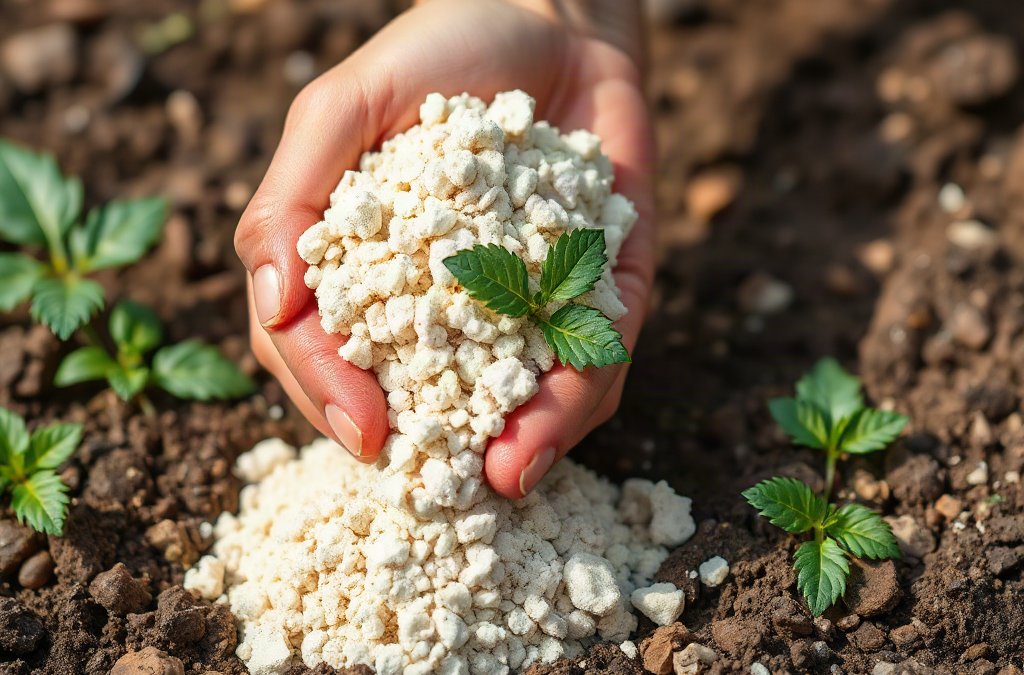
Manage soil acidity for better growth by testing soil pH first, then applying the correct amount of agricultural lime based on the test result, soil texture, and the crops you plan to grow. Acidic soil can limit nutrient availability, increase aluminum or manganese toxicity, and weaken root development, while excessive lime can make iron, zinc, and phosphorus less available. Mix the recommended amendment into the root zone, allow time for it to react, and retest rather than adding repeated doses by guesswork. Compost, careful fertilizer selection, and crop choices can support the adjustment, but they cannot reliably replace a measured lime requirement.
What Soil Acidity Means for Plant Growth
Soil acidity is measured by pH, a scale on which lower values indicate more acidic conditions. The pH of a bed affects how readily roots can access nutrients, how soil organisms function, and whether certain elements become toxic. Many vegetables grow well in mildly acidic to nearly neutral soil, but the ideal range varies by crop. Blueberries, for instance, need substantially more acidic conditions than beans or most leafy greens.
Low pH does not mean that soil lacks every nutrient. Instead, acidity changes the chemical form and availability of nutrients already present. Phosphorus may become less available in strongly acidic soil, while calcium and magnesium can be depleted through leaching. Aluminum and manganese may become more soluble at low pH, creating root stress in sufficiently acidic conditions. A plant with pale leaves or weak growth may therefore be suffering from a pH-related availability problem rather than a simple shortage of fertilizer.
Texture changes how quickly acidity develops and how much amendment is needed. Sandy soil has less buffering capacity, so its pH may shift with rainfall, irrigation, and fertilizer use. Clay-rich soil and soil with higher organic matter usually resist rapid change, but they may require more lime to move the same measured distance. That difference explains why applying the same scoop of lime to every bed is unreliable.
Use symptoms as clues, not as a diagnosis. Stunted roots, uneven growth, and persistent nutrient deficiency can also result from compaction, poor drainage, disease, or drought. A soil test gives the missing context. If a vegetable bed repeatedly produces weak plants despite adequate moisture and sunlight, checking pH and the laboratory’s lime recommendation is more useful than adding another general-purpose fertilizer. For related planning, the how to manage soil acidity for better growth process should begin with the root-zone conditions rather than the appearance of one leaf.
Test pH and Lime Requirement Before Amending
A soil test should determine both pH and the amount of lime needed to reach a suitable target. A basic pH reading tells you whether the soil is acidic, but it does not fully reveal the soil’s buffering capacity. A laboratory test that includes a lime requirement is more useful for amendment decisions because it accounts for resistance to pH change.
Collect a representative sample from the depth where most roots will grow. Take several small samples from different spots in one uniform bed, remove surface debris, mix them thoroughly, and submit the combined sample according to the testing service’s instructions. Keep distinctly different areas separate: a compost-rich raised bed, a native clay border, and a container mix should not be treated as one soil. Recent fertilizer or amendment applications can distort a sample, so follow the laboratory’s timing guidance.
Testing methods are not interchangeable. A home pH meter can provide a rough indication when used correctly, but probes may be affected by calibration, moisture, salts, and inconsistent contact with soil. Extension or commercial laboratory testing generally provides more actionable information, especially when a bed has a history of poor growth. Compare results from the same method over time rather than treating small differences between unrelated tests as meaningful.
Choose the target pH according to the crop, not a blanket goal of neutral soil. A mixed vegetable bed often benefits from a mildly acidic target, while an acid-loving crop may be harmed by routine liming. The report may list different application rates for sandy, loamy, or clay soil. Treat those figures as a measured starting point, and ask the testing laboratory or local extension service if the recommendation is unclear. The common failure is to see a low pH number and add a large amount immediately; that can overshoot the target and create a second nutrient problem.
Choose and Apply the Right Amendment
Agricultural limestone is the usual amendment for raising acidic soil pH. It supplies calcium, and dolomitic limestone supplies calcium plus magnesium. The choice should follow the soil test: dolomitic lime may be useful when magnesium is low, but adding it routinely to soil that already has adequate magnesium can create an imbalance. Pelletized products are easier to spread accurately in small beds, while finely ground materials generally react more quickly because they expose more surface area.
Read the product label instead of comparing bags only by weight. Lime materials differ in neutralizing value and particle size, so two products weighing the same amount may not have equal effect. A soil laboratory recommendation may be based on a particular neutralizing standard; the label’s equivalence information helps determine whether an adjustment is needed. If the product instructions and test report seem inconsistent, pause and verify the calculation rather than improvising.
Spread lime as evenly as possible over the area and incorporate it into the upper root zone when the bed is being prepared. Surface-applied lime can move downward gradually, but its reaction is slower and less uniform, especially in a compacted bed. Avoid working very wet soil, which can damage structure. Watering after application may settle dust and begin contact with soil particles, but irrigation does not instantly neutralize acidity.
Hydrated lime and quicklime deserve extra caution. They react rapidly and can burn roots, injure skin, and raise pH too sharply when misapplied. They are poor choices for casual correction in an occupied home garden. Wood ash also raises pH, but its strength is variable and it can add substantial potassium and salts; use it only with a soil test and a clear calculation. Compost is valuable for structure and organic matter, yet it is not a dependable substitute for lime because its pH effect varies by material and maturity.
Do not plant immediately after a heavy, unmeasured application simply because the surface looks blended. The useful endpoint is a stable test result in the root zone, not a particular color or texture. When the bed is already planted, a conservative correction based on testing is safer than trying to force a rapid change around established roots.
Maintain a Stable Root-Zone pH
Correcting acidity is a maintenance process because rainfall, irrigation, crop removal, and fertilizer use continually alter soil chemistry. Nitrogen fertilizers containing ammonium or urea can contribute to gradual acidification as soil microbes transform nitrogen. Heavy rainfall can leach basic elements from exposed or sandy ground. Removing large harvests also removes calcium, magnesium, and other nutrients, although the effect depends on the crop and soil.
Use organic matter as a supporting practice rather than a pH shortcut. Finished compost can improve aggregation, water management, and microbial activity, which makes the root environment more resilient. It may moderate some problems, but it does not reliably neutralize a strongly acidic soil. A thick organic mulch protects the surface and reduces erosion; it should be kept slightly away from stems to avoid persistent wetness and decay.
Retest after the amendment has had time to react. The appropriate interval depends on the material, soil conditions, weather, and crop schedule, so a seasonal or annual check is more sensible than repeated applications every few weeks. A falling pH after correction may indicate ongoing acidifying fertilizer use, leaching, or a lime rate that was too small for the soil’s buffering capacity. A rising pH beyond the target suggests overapplication or an unrecognized alkaline input.
A simple maintenance checklist keeps decisions tied to evidence:
- Record the test date, bed location, pH, and lime recommendation.
- Note fertilizer types, compost additions, irrigation patterns, and unusual rainfall.
- Apply amendments by measured area rather than by handful or container volume.
- Watch new growth for recovery while recognizing that damaged older leaves may not turn green again.
- Retest before repeating lime, especially if crops show iron or zinc deficiency after treatment.
Healthy growth after correction is usually gradual. New leaves, stronger root development, and more even growth are better indicators than expecting an instant visual transformation. If those changes do not appear, investigate drainage, roots, light, and nutrient levels instead of assuming pH is the only limiting factor.
Crop-Specific Decisions and Common Mistakes
Crop selection can reduce the pressure to force every part of a garden to the same pH. Blueberries and other acid-loving plants are often better grown in a dedicated bed or container with a suitable acidic medium than in a vegetable plot repeatedly amended in opposite directions. Vegetables such as peas, beans, carrots, lettuce, and many brassicas generally tolerate mildly acidic soil, but their performance still depends on the full soil test and local conditions.
Separate beds create a useful tradeoff: they require more planning, but they make amendment rates and crop expectations easier to control. A gardener with limited space may choose containers for an acid-loving crop and reserve the in-ground bed for vegetables that share a moderate target. Trying to maintain a low pH for blueberries beside crops that need more calcium can lead to continual correction and inconsistent results.
Several assumptions commonly cause trouble. Yellow leaves do not prove that soil is too acidic, because excess water can reduce root function and produce a similar appearance. Adding sulfur to acidic soil is also counterproductive; elemental sulfur is used to lower pH, mainly when soil is too alkaline, and it works through microbial conversion over time. Lime should not be mixed into a fertilizer routine automatically, since the amendment addresses acidity while fertilizer addresses nutrient supply.
When a test shows only mildly low pH and the crop is growing normally, a large correction may offer little benefit and may create new availability problems. When pH is strongly low and the report identifies a substantial lime requirement, postponing treatment can keep roots in an unfavorable chemical environment. Prioritize the crop’s target, the laboratory rate, soil texture, and the bed’s planting status. For a more complete soil-management plan, connect pH decisions with how to manage soil acidity for better growth and with regular organic matter management rather than treating one amendment as a universal fix.
Professional or extension support is worthwhile when test results conflict, the garden contains unusual fill soil, or repeated corrections fail. A second test from a reputable laboratory can identify sampling errors. The goal is not the highest possible pH; it is a measured, stable range that keeps nutrients available for the particular crops and avoids unnecessary chemical swings.
Frequently Asked Questions
How often should garden soil pH be tested?
Test before a major amendment and retest after it has had time to react. An annual or seasonal test is reasonable for intensively managed beds, while less frequently amended ground may need testing only every few years.
Does compost correct acidic soil?
Finished compost can improve structure and nutrient cycling, but its pH effect is variable. It should support a lime program when needed, not replace a measured correction for strongly acidic soil.
Which is better, calcitic or dolomitic lime?
Use the soil test to decide. Calcitic lime supplies calcium, while dolomitic lime supplies calcium and magnesium. Dolomitic lime is not automatically better if magnesium levels are already adequate.
Can soil pH be changed during the growing season?
Small, test-based corrections may be possible, but lime reacts gradually and should not be piled around established stems. Major adjustments are usually easier and more uniform during bed preparation.
What happens if too much lime is added?
Excess lime can raise pH beyond the crop's useful range and reduce the availability of iron, zinc, manganese, or phosphorus. Stop adding lime, retest, and manage nutrients and crop selection according to the new result.
Conclusion
Effective soil-acidity management depends on measurement, moderation, and crop-specific targets. Test a representative root-zone sample, use the laboratory’s lime requirement rather than guessing from a pH number, and select calcitic or dolomitic material according to calcium and magnesium needs. Incorporation, timing, soil texture, and planting status determine how evenly the correction works. Compost and mulch strengthen the growing environment but cannot reliably substitute for lime when acidity is substantial. Retest before applying another dose, and investigate drainage or nutrient issues if new growth does not improve. Keeping separate pH targets for vegetable beds and acid-loving crops may be more practical than forcing the whole garden into one chemical range.


