
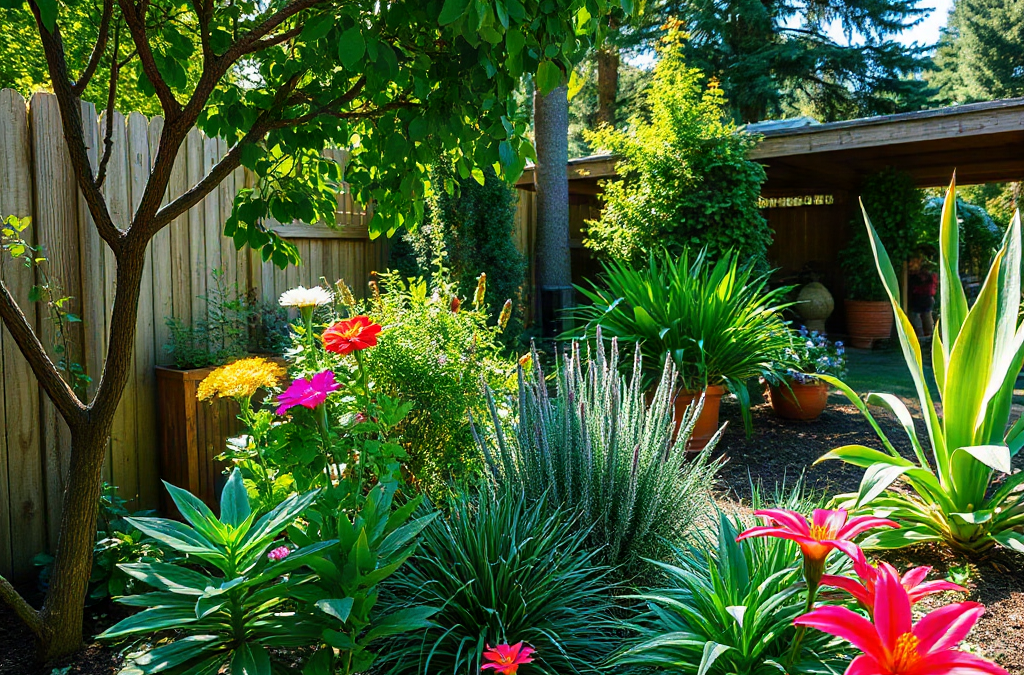
Your garden may lack pollinators because it offers too few suitable flowers, blooms for only a short period, provides little shelter or water, or exposes insects to disruptive pesticide applications. A bed filled with double flowers can look abundant while producing little accessible nectar or pollen, and neatly cleared soil removes nesting sites for ground-nesting bees. Improve the habitat by adding flower shapes and colors that bloom from early spring through fall, leaving some stems and bare soil, avoiding broad-spectrum sprays, and placing water in a shallow, safe container. Watch flowers at different times of day for several weeks before deciding that pollinators are absent.
The Habitat Gaps That Keep Pollinators Away
A garden can contain many flowers and still provide poor pollinator habitat. Bees, butterflies, moths, hoverflies, and hummingbirds need more than visible color: they need accessible food, suitable nesting or resting places, and conditions that remain usable through changing weather. A short row of annuals may attract visitors briefly, but it cannot replace a sequence of flowering plants or nearby shelter.
Scale also matters. A single pot of flowers surrounded by concrete may be useful, yet it offers fewer options than a mixed border containing shrubs, perennials, herbs, and groundcover. Wind exposure, intense afternoon heat, and a lack of shade can make a planting less comfortable for insects even when flowers are present. Butterflies often use warm, protected areas, while many bees need undisturbed soil, hollow stems, or cavities rather than a traditional birdhouse.
Garden tidiness is a frequent hidden constraint. Removing every fallen leaf, cutting all stems to the ground in autumn, and covering exposed soil with thick landscape fabric can eliminate overwintering and nesting spaces. That does not mean a garden should be neglected. Instead, concentrate cleanup around paths and diseased plant material while retaining some leaf litter, hollow stems, brushy edges, and small patches of open soil.
Another weak assumption is that a feeder or a brightly colored ornament will solve the problem. Feeders may serve hummingbirds, but they do not supply habitat for solitary bees or butterfly larvae. A more reliable improvement is a layered planting with flowers, host plants, shelter, and a pesticide-free area. The article why your garden lacks pollinators is best approached as a habitat diagnosis rather than a search for one magic plant.
Flower Choice, Bloom Timing, And Food Quality
Flower availability is often the first limitation to correct, but “more flowers” is not precise enough. Pollinators differ in tongue length, body size, vision, and feeding behavior. Flat clusters and shallow flowers may suit many small bees and hoverflies, while tubular flowers can favor hummingbirds, butterflies, or long-tongued bees. A bed dominated by tightly packed double blooms may provide less usable pollen and nectar because breeding has replaced exposed reproductive parts with extra petals.
Build a flowering sequence rather than planting for one peak display. Early-season bulbs, shrubs, and native perennials can support insects emerging from winter; summer plants maintain supplies during the busiest period; late-blooming asters, goldenrods, sedums, and comparable regionally adapted choices extend food into fall. Exact plant selection should follow local climate, soil, and water conditions. A plant that thrives in one region may flower poorly or require excessive irrigation elsewhere.
Color alone is a poor measure of value. Scent, flower structure, pollen availability, and the number of open blooms all influence use. Herbs such as mint, oregano, thyme, and fennel can be productive when allowed to flower, although some spread aggressively and need containers or edging. Native plants are often useful because local insects may recognize them as food or host plants, but nonnative plants are not automatically worthless; a diverse, noninvasive planting can still provide nectar.
Include larval host plants where butterflies are a goal. Adult butterflies may visit nectar flowers while their caterpillars need specific foliage, so a garden with flowers but no host plants may attract occasional adults without supporting a full life cycle. Avoid removing every leaf with minor chewing damage. The tradeoff is appearance: a habitat garden may show some insect feeding, spent blooms, and less uniform growth. Those signs can represent functioning food relationships rather than poor care.
Pesticides, Garden Maintenance, And Hidden Risks
Pesticides can reduce pollinator activity even when no dead insects are visible. Broad-spectrum products may affect non-target insects, and residues can remain on flowers or foliage after application. Insecticides are not the only concern: herbicide use can remove flowering weeds that provide food, while fungicide mixtures and repeated treatments may alter the garden’s overall insect community. Read the product label, identify the pest accurately, and avoid treating simply because an insect is present.
Timing changes risk. Spraying open flowers during the day exposes visiting bees and other insects directly. If treatment is genuinely necessary, remove blooming weeds from the target area only when appropriate, follow the label exactly, keep products away from water, and choose the least disruptive option permitted by the label. Do not assume an organic product is harmless; substances derived from natural sources can still injure pollinators or other beneficial organisms.
Maintenance practices can create less obvious problems. A lawn mowed before small flowers open provides little forage, while frequent trimming of a flowering hedge removes buds before they are used. Outdoor lights can interfere with moths and other nocturnal insects, especially when bright fixtures illuminate flower beds all night. Reducing unnecessary lighting or directing fixtures downward may improve nighttime conditions without changing the planting.
Water should be available without creating a drowning hazard. A shallow dish containing pebbles or rough stones gives insects landing points, and it should be refreshed regularly to prevent stagnation. Do not place deep containers where bees or butterflies must cling to a slick surface. Compare a single heavily treated “perfect” bed with a slightly untidy refuge: the latter may produce fewer visual problems but more usable habitat. Keep an untreated section if the entire property cannot be managed that way.
A Practical Plan For Attracting More Pollinators
The fastest useful approach is to audit the garden before buying plants. Observe the site in morning, midday, and late afternoon on several mild days. Note which flowers are open, whether insects can land easily, where wind is strongest, and whether any sprays or weed treatments are used nearby. A quiet period does not prove that pollinators are missing; cool temperatures, rain, wind, and the wrong observation time can suppress activity.
Use the findings to fix the largest gap first. A garden with abundant summer flowers but nothing in spring needs earlier bloom, not another summer planter. A sunny bed with no bee activity may need pesticide changes or better flower access. A leafy border that attracts adults but never supports caterpillars needs host plants and tolerance for some feeding damage. A treeless exposed yard may benefit from shrubs or a windbreak before delicate flowers are added.
- Food: combine different flower forms and arrange bloom periods across the growing season.
- Nesting: retain some bare soil, hollow stems, leaf litter, or natural cavities where they will not create a safety issue.
- Protection: avoid routine broad-spectrum pesticide use and never spray active blooms casually.
- Water and shelter: provide shallow drinking points, wind protection, and a mix of sun and partial shade.
Choose plants according to the constraint you can actually manage. Drought-prone sites need plants adapted to dry conditions; otherwise, a pollinator border may fail during the season when it is most needed. Small gardens can use containers, flowering herbs, and a vertical shrub, while larger spaces can reserve an edge for natural growth. A neat formal landscape does not need to become completely wild. Distinct habitat zones allow paths, seating, and food crops to coexist with less-maintained corners.
Food gardens deserve special attention. Poor fruit set may result from weather, plant nutrition, flower biology, or insufficient compatible pollen rather than a total absence of insects. Squash, cucumbers, melons, and many fruit trees have crop-specific pollination needs. Adding flowers can increase activity nearby, but it cannot replace compatible varieties or suitable weather. For broader context, compare recommendations in why your garden lacks pollinators with the growing conditions and crop requirements at your own site.
How To Tell Whether The Garden Is Improving
Measure progress by repeated observation rather than by counting one impressive day. Choose two or three flower patches and record visitors for five minutes at the same time each week, noting weather and the flowers in bloom. Identify broad groups if species identification is difficult: small bees, large bees, butterflies, moths, hoverflies, beetles, and hummingbirds. The purpose is to reveal patterns, not to produce a scientific survey.
Positive signs include visits across more than one season, insects using several plant types, and evidence of nesting or larval feeding. Chewed leaves on a known host plant can be useful evidence, while solitary bees entering small soil openings may indicate that bare ground is serving a purpose. A lack of activity on a cool, windy morning says little about the planting. Check again under calmer conditions before removing a plant.
Some changes take time. Perennial plants may need a season or more to establish, and a new shrub cannot immediately replace mature shelter. Conversely, pesticide exposure can undermine a new planting quickly, so changing treatment habits may deserve priority over expanding the flower bed. If flowers are thriving but visits remain rare, reassess nearby lawn practices, nighttime lighting, wind, and the possibility that the selected blooms are inaccessible to local insects.
Avoid judging success by honeybees alone. Wild solitary bees, bumblebees, flies, beetles, moths, and butterflies may contribute to pollination or the wider food web. The best garden is not necessarily the one with constant insect activity; it is the one that offers usable resources without creating avoidable hazards. Continue refining why your garden lacks pollinators as a site-specific question based on observations, seasons, and maintenance decisions.
Frequently Asked Questions
Why do I have flowers but no bees?
Flowers may be inaccessible, treated with pesticides, open outside peak activity periods, or unsuitable for local bee species. Observe them in calm weather at different times.
Do colorful flowers attract more pollinators?
Color can help some insects locate flowers, but structure, scent, nectar, pollen, bloom timing, and plant diversity also matter. A range of flower forms is more useful than color alone.
Should I remove all weeds from a pollinator garden?
Remove invasive or hazardous weeds, but consider retaining harmless flowering species where they do not compete with desired plants. Some provide temporary nectar during gaps in the planting calendar.
Can a small balcony garden support pollinators?
Yes. Several containers with staggered bloom times, flowering herbs, shallow water, and pesticide-free care can offer useful resources. Choose plants suited to the balcony’s wind, heat, and light.
How long does it take to see more pollinators?
Visitors may appear soon after suitable flowers open, but habitat benefits can take longer as perennials, shrubs, nesting areas, and seasonal bloom continuity develop.
Conclusion
Pollinator activity usually improves when a garden supplies dependable food, safe conditions, and places for insects to nest or shelter. Begin by observing the site rather than adding plants at random: identify bloom gaps, pesticide exposure, excessive cleanup, wind, lighting, and water hazards. Then add regionally suitable flowers with varied forms, preserve some stems and open soil, and protect blooms from unnecessary treatment. Expect seasonal variation and judge progress across several weeks, not by one quiet morning. A garden does not need to look untidy everywhere to become more useful. A carefully managed edge, container group, shrub border, or leaf-litter corner can provide meaningful habitat while the rest of the space remains practical for people.
Further Reading
Authoritative Sources
- EPA Pesticide Resources
epa.govOfficial pesticide regulation, safety, environmental, and risk-management information.
- USDA Agricultural Research Service
ars.usda.govAgricultural research on crops, production systems, food quality, and resource management.
- USDA NIFA Sustainable Agriculture
nifa.usda.govFederal research and extension resources on sustainable agriculture, farms, and food systems.
- USDA NRCS Soil Resources
nrcs.usda.govOfficial soil health, conservation, water, and land-management guidance for agricultural operations.


