
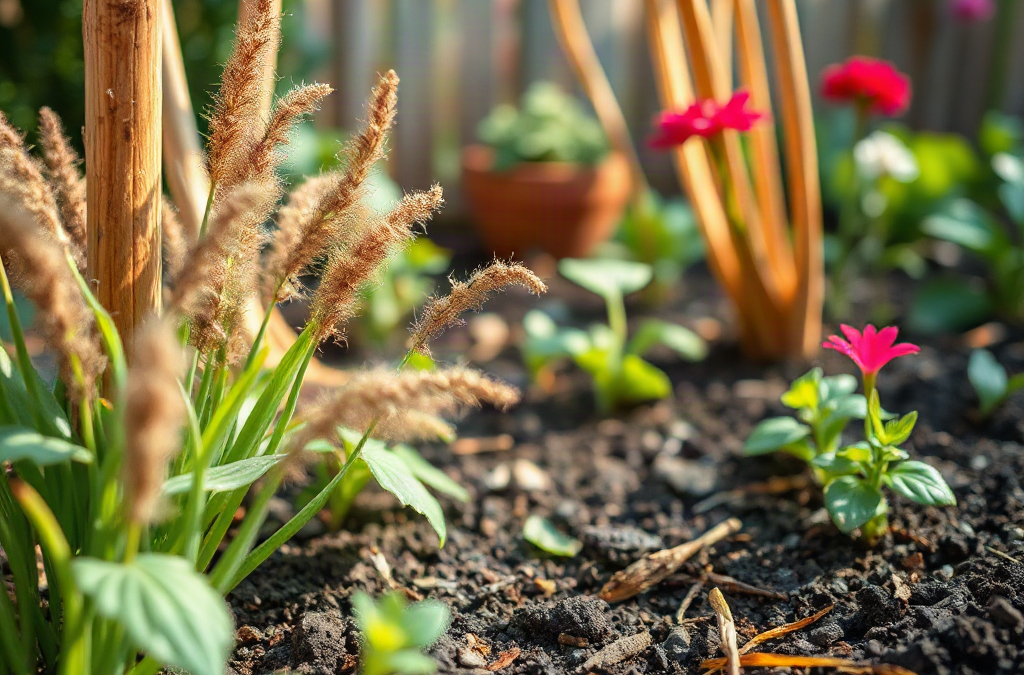
When your garden feels too dry, check moisture below the surface, water slowly at the root zone, then reduce evaporation with mulch and improved soil structure. Dry conditions may come from shallow watering, sandy or compacted soil, intense heat, wind, competing weeds, clogged irrigation, or plants placed where they cannot access available water. Push a finger or trowel several inches into the soil before watering because a dry crust can hide damp soil, while a wet surface can conceal dry roots. Give stressed plants a deep, gradual soaking rather than repeated light sprinkles, and monitor leaves, soil depth, and drainage over the next day.
Find Out Whether the Root Zone Is Actually Dry
A garden that looks dusty is not necessarily dry where roots are growing. Surface soil can form a hard crust after a hot afternoon, while moisture remains several inches below; the reverse can happen after a brief shower that wets only the top layer. Check the soil before changing your watering routine. Insert a finger, narrow trowel, or wooden plant label into the soil near—but not directly against—the plant. Vegetable beds often need attention when the upper few inches are dry, while newly planted shrubs and young trees may need moisture deeper around their developing roots.
Look for patterns rather than judging the entire plot at once. Sandy soil drains quickly and may feel dry soon after irrigation. Clay soil can hold water tightly, yet compacted clay may shed water across the surface instead of allowing it to move downward. Raised beds, fabric pots, and dark containers lose moisture faster than ground-level beds. A plant with limp leaves may be thirsty, but midday wilting can also result from heat stress when roots cannot supply water as quickly as leaves lose it. Check again during the cooler evening before assuming the plant is failing.
Inspect the delivery system at the same time. A split hose, blocked drip emitter, tilted sprinkler, or low water pressure can leave one row dry while another is saturated. Move a small container beneath a sprinkler or emitter to see whether water is reaching the intended area. Probe several locations, including the edge of the bed, because roots may extend beyond the visible foliage.
- Dry soil throughout the root zone: water is needed, but apply it gradually.
- Dry surface with damp lower soil: avoid automatic watering and add evaporation protection.
- Wet soil with wilted plants: investigate root damage, poor drainage, disease, or heat exposure.
Avoid the common mistake of watering by calendar alone. Weather, soil texture, plant size, and recent rainfall change the demand from one section to another. A simple moisture check provides better information than a fixed schedule.
Water Deeply Without Wasting Water
Deep, slow watering is usually more useful than frequent surface sprinkling because it moves moisture into the zone where roots can use it. Apply water at the soil line, not over foliage, and pause when runoff begins. After the water soaks in, apply another short cycle if the ground is very dry. This approach gives compacted or crusted soil time to accept moisture instead of sending it down a path or off the bed.
A soaker hose or drip system can deliver water efficiently, but neither method is automatically correct. Drip irrigation wets a limited column of soil, so emitters may need to be repositioned as plants grow. A soaker hose works well in rows but may water unevenly on sloped ground. Hand watering is useful for checking individual plants and containers, although a quick splash often wets only the surface. A hose with a gentle wand setting is preferable to a forceful jet that displaces soil or exposes roots.
Water newly transplanted seedlings differently from established crops. Small roots occupy a narrow area, so they may need more frequent checks until they spread. Established tomatoes, peppers, and shrubs generally benefit from a thorough soaking followed by a drying interval rather than constant dampness. The correct interval depends on weather and soil; the goal is steady root-zone moisture, not permanently wet soil.
Use a practical sequence when a bed is severely dry:
- Clear weeds and loose debris from the immediate root area.
- Test the soil several inches down and inspect for runoff.
- Apply a gentle first pass, wait a few minutes, and water again.
- Check moisture later that day and the following morning.
- Repair leaks or blocked emitters before increasing total water.
Overwatering is a real risk during rescue watering. Saturated soil fills air spaces and can stress roots, particularly in containers or heavy clay. If water remains pooled for hours, improve drainage or reduce the application rate rather than repeating the same treatment. Readers comparing this approach with advice in what to do when your garden feels too dry should prioritize root-zone measurements over a universal number of minutes or gallons.
Reduce Evaporation With Soil and Mulch Improvements
Watering solves immediate moisture loss, but soil structure and surface protection determine how long that water remains available. Organic matter such as finished compost can improve the handling of water over time, especially when incorporated into poor, sandy soil or used to support aggregation in compacted beds. Compost is not a quick substitute for irrigation, and adding a thick layer of fresh, unfinished material around plants can create other problems.
Mulch is the faster surface-level fix. A layer of shredded leaves, straw, or fine bark shades the soil, slows evaporation, and reduces temperature swings. Keep mulch slightly away from stems and trunks so moisture does not remain pressed against plant tissue. Coarse mulch may need to be thicker than fine material to provide comparable coverage, but excessive depth can interfere with air movement and encourage shallow roots near the surface.
Weeds deserve attention because they consume water before crops can use it. Removing small weeds by hand or with a shallow hoe is generally less disruptive than deep cultivation, which can cut roots and expose additional moist soil. In a vegetable bed, clearing a narrow zone around each crop may be more realistic than trying to maintain an entirely bare garden. Ground covers and dense planting can also shade soil, although crowded plants compete for water during severe heat.
Do not assume every amendment holds water in every setting. Water-absorbing crystals, heavy additions of organic material, or frequent shallow cultivation may produce disappointing results when the underlying issue is a leaking irrigation line or a bed built over compacted ground. Fix the physical cause first. A useful sequence is to restore access to water, cover exposed soil, then improve structure during the next planting or soil-preparation period.
For example, a raised bed filled with a very light growing mix may look healthy in spring but dry rapidly once summer winds arrive. Repositioning emitters, applying plant-safe mulch, and grouping plants with similar water needs can help more than simply increasing watering frequency. Soil resources from the what to do when your garden feels too dry topic are most useful when they lead to a specific diagnosis rather than a blanket amendment recommendation.
Adjust Care for Heat, Wind, Containers, and Crops
Weather and garden design can make identical watering amounts produce very different results. Heat increases water loss through leaves and soil, while wind strips moisture from exposed beds and can damage tender foliage. A sunny container beside a wall may need checking twice in one day, whereas a mulched bed in partial shade may remain adequately moist. Move portable containers away from reflected afternoon heat when practical, and group them so their foliage provides some mutual shade without blocking airflow.
Prioritize plants by vulnerability. Newly planted seedlings, shallow-rooted leafy greens, plants in small containers, and recently transplanted shrubs usually need attention before mature, deeply rooted perennials. Fruiting crops can show stress through blossom loss or poorly filled fruit when drought coincides with flowering, but adding water to already saturated soil will not solve that problem. Check the root zone and drainage before increasing irrigation.
Temporary shade cloth can reduce afternoon stress for sensitive crops during extreme heat, but it is not a replacement for water or appropriate plant placement. Shade may lower light needed for fruit production if left in place unnecessarily. Windbreaks can reduce drying, yet dense barriers may create stagnant air or compete for roots. Choose the least intrusive adjustment that addresses the exposure.
Containers require a different test from garden beds. Water should reach the drainage holes during a thorough irrigation, but a dry potting mix may initially repel water and allow it to run down the sides. Apply a small amount first, wait, then water again so the mix can rehydrate. Empty saucers when prolonged standing water threatens roots, and confirm that drainage holes are open.
Watch for improvement rather than demanding instant recovery. Leaves may remain marked after a dry spell even when new growth looks firmer. Continued wilting in damp soil, a sour smell, or blackened roots points away from simple thirst and toward root trouble. The practical goal is stable new growth and evenly moist—not constantly soaked—soil.
Track Recovery and Prevent the Next Dry Spell
A short record turns a vague dry-garden problem into a manageable pattern. Note rainfall, irrigation dates, soil depth checked, weather exposure, and which plants wilted first. After watering, inspect the same locations the next morning. If moisture reaches only the top inch, the application is too light or the soil is resisting infiltration. If beds stay wet for extended periods, reduce frequency and investigate drainage rather than continuing a rescue routine.
Improve the system during mild weather, when changes are easier to evaluate. Repair irrigation leaks, add emitters as root systems expand, replace clogged filters, and set hoses where they will not be damaged by tools. Arrange crops with similar moisture needs together so a drought-sensitive lettuce row does not dictate the schedule for drought-tolerant herbs or established perennials. Choose locally suitable plants for future gaps instead of trying to force every species into the same watering regime.
A compact priority checklist can prevent wasted effort:
- Check soil moisture at root depth before watering.
- Confirm that water reaches the whole planting area.
- Give priority to new plantings and small containers.
- Mulch exposed soil while keeping stems clear.
- Remove competing weeds and correct drainage problems.
- Recheck conditions after weather changes, not only on a fixed day.
Do not judge success by a darkened surface immediately after irrigation. The stronger test is whether moisture remains available below the surface, plants produce firm new growth, and irrigation is not causing runoff or standing water. A repeatable check is more reliable than adding more water whenever the garden looks tired.
For a broader comparison of moisture practices, use what to do when your garden feels too dry alongside guidance from university extension services and soil-conservation agencies. Their recommendations are most useful when adapted to local rainfall, soil texture, crop stage, and available equipment.
Frequently Asked Questions
Should I water a dry garden every day?
Not automatically. Check moisture below the surface first; deep watering followed by a suitable drying interval is often better than daily shallow sprinkling.
How can I tell whether a wilted plant needs water?
Feel the soil several inches down and inspect drainage. Wilting with dry soil suggests water stress, while wilting in wet soil may indicate root damage, heat stress, or disease.
What mulch works well for a dry vegetable garden?
Clean straw, shredded leaves, and suitable bark can reduce evaporation. Apply an even layer and leave space around stems to limit excess moisture against plant tissue.
Why does water run off instead of soaking into the bed?
Compaction, a crusted surface, steep ground, or overly fast application can cause runoff. Use shorter watering cycles with pauses and improve soil structure over time.
Are containers more likely to dry out than garden beds?
Often, yes. Containers have limited soil volume and more exposed sides, especially in sun and wind. Check them more frequently and water slowly until drainage begins.
Conclusion
A dry-feeling garden needs diagnosis before it needs more water. Check the root zone, confirm that irrigation is reaching the intended area, and distinguish genuinely dry soil from heat wilt, poor drainage, or a blocked emitter. When moisture is low, apply water slowly enough to infiltrate deeply, then protect the surface with appropriate mulch and reduce competition from weeds. Give first attention to seedlings, recent transplants, containers, and exposed plants during hot or windy weather. Record what you observe after each adjustment so the next watering decision reflects actual soil conditions. Over time, better soil structure, sensible plant grouping, repaired irrigation, and locally suitable plant choices will make the garden less dependent on emergency watering.
Further Reading
Authoritative Sources
- Cooperative Extension Gardening Resources
extension.orgResearch-based gardening, soil, plant-care, and home-growing education.
- USDA National Agricultural Library
nal.usda.govAgricultural and plant-science research resources.
- EPA Safe Pest Control
epa.govOfficial information for safer pest-management decisions.
- USDA NRCS Soil Resources
nrcs.usda.govOfficial soil health, conservation, and water-management information.


