
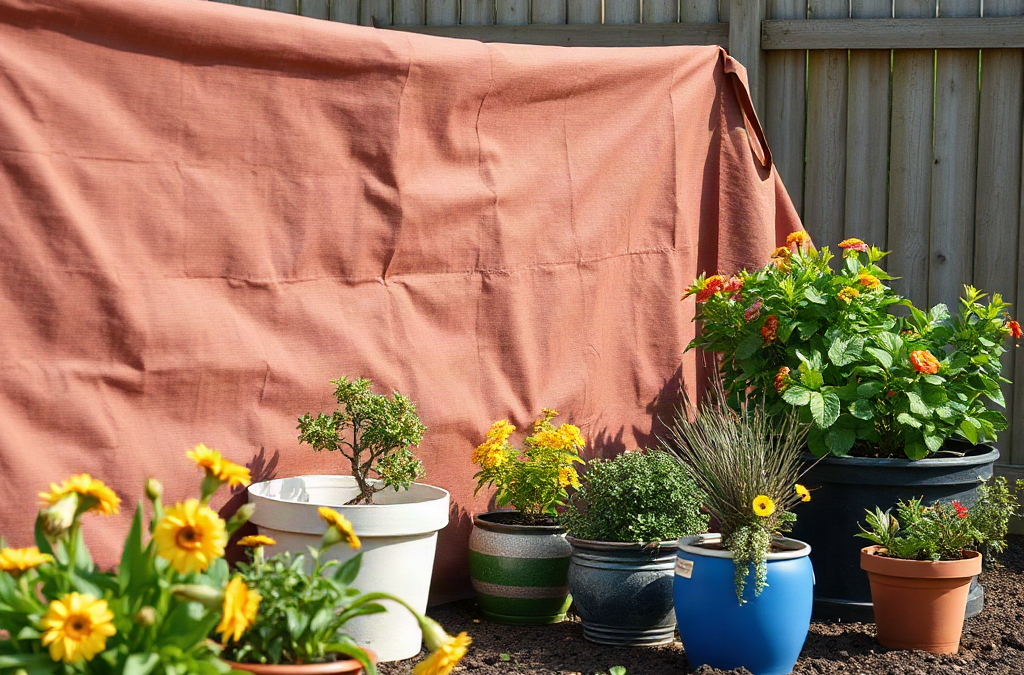
If your garden is too windy, reduce wind speed with a porous windbreak, secure vulnerable plants with flexible supports, protect exposed soil, and move containers away from turbulent corners. Solid barriers can create stronger eddies on the sheltered side, so fences or screens should allow some air through rather than stopping it completely. Grouping plants, staking tall stems loosely, mulching bare soil, and checking moisture after windy weather address the main risks: broken growth, rapid water loss, abrasion, and shallow root disturbance. During severe gusts, lay down or relocate portable plants, remove loose objects, and postpone planting tender seedlings until conditions settle.
Assess Wind Damage And Exposure
Wind affects a garden through both force and drying. Strong gusts can snap stems, twist leaves, loosen shallow-rooted plants, and carry grit that scours leaf surfaces. Even moderate, persistent airflow may increase evaporation enough to wilt plants whose soil looked adequately moist the previous day. Before installing a barrier or adding stakes, identify where the air enters, where it accelerates, and which plants are actually suffering.
Walk the site after a windy period and look for patterns. Leaves with torn edges or pale, roughened patches may have been abraded rather than attacked by insects. Soil pushed away from a stem suggests root-zone disturbance, while a container that repeatedly tips indicates a stability problem rather than a plant-health problem. Check whether wind is funneled between buildings, over a wall, or through a narrow gate; these locations often produce sharper gusts than an open, evenly exposed bed.
A simple observation method is to hang lightweight ribbon at several points around the garden and compare its movement on the same day. Note the prevailing direction, the hours when gusts are strongest, and whether the affected area is exposed on one side or surrounded by hard surfaces. This information helps distinguish a broad wind problem from a turbulent pocket.
Do not respond by watering automatically. Windy weather can dry foliage and the top layer of soil while deeper soil remains damp, and frequent shallow watering can encourage weak surface rooting. Push a finger or a narrow trowel into the root zone before irrigating. If the soil is dry several inches down, water slowly at the base; if it is moist, focus first on shelter and support.
For a broader site diagnosis, compare the exposed bed with a more sheltered bed using the what to do if your garden is too windy checklist. The useful question is not whether every plant can be shielded, but which plants and locations justify intervention.
Build A Windbreak That Does Not Create Turbulence
A porous windbreak is usually more useful than a solid wall because it slows moving air gradually. A dense fence may block wind directly on its face but create swirling, descending currents beyond the barrier. Those eddies can damage plants that appeared protected. Screens, trellises covered with open mesh, woven fencing, and layered shrubs allow some airflow while reducing its speed.
Place the barrier on the windward side, leaving enough distance for the protected planting area to benefit from the reduced airflow. The best arrangement depends on the direction and height of the prevailing wind. A low screen will not protect tall fruiting plants, while a tall, impermeable panel may cast excessive shade and redirect gusts over the top. A mixed-height planting of shrubs, small trees, and lower plants generally produces a softer transition than one abrupt wall.
Living windbreaks have advantages but require patience. Shrubs and trees can provide durable shelter, habitat, and visual screening, yet their roots compete for water and their mature size may overwhelm a small plot. Select species suited to the local climate and available space, and avoid planting a fast-growing tree where its eventual canopy or roots will interfere with beds, structures, or utility lines. A temporary mesh screen can protect seedlings while a permanent planting develops.
Hard structures still have a place. A slatted fence, lattice panel, or purpose-built garden screen can be adjusted more easily than a hedge and may work well around a patio or container area. Anchor it securely, though: a loose panel becomes a dangerous sail during high winds. Inspect posts, ties, and fasteners before storm season, and do not assume a heavy planter alone will hold a large screen.
One common mistake is placing a solid barrier immediately beside tender plants and then interpreting windburn as a watering failure. If leaves remain ragged on the sheltered side, or if stems sway violently in swirling air, increase porosity or move the barrier farther away rather than adding more solid material. A windbreak should reduce stress without eliminating normal air circulation around foliage.
Secure Plants, Containers, And Soil
Support plants before they lean, not after their roots have been rocked loose. Use stakes, trellises, or cages that match the plant’s mature height and weight. Tie stems with soft, flexible material in a loose figure-eight so the plant can move slightly without rubbing against the support. Rigidly fastening a stem to a narrow stake can concentrate force at one point and cause a break.
Young trees and newly planted shrubs need special attention because their root systems may not yet grip surrounding soil. Two or three low, flexible ties attached to sturdy stakes can stabilize the root ball while allowing limited trunk movement. The ties should not constrict the trunk, and temporary supports should be checked regularly and removed when the plant can stand without them. Permanent staking can create dependence and may damage expanding stems.
Climbing crops such as beans, cucumbers, peas, and indeterminate tomatoes are safer when their trellis is installed before vigorous growth. A broad, well-anchored support is more stable than a single tall cane. In a windy garden, a lower trellis with several attachment points may outperform a tall structure that catches gusts. Pruning solely to reduce height can remove productive foliage, so first improve anchoring and distribute growth across the support.
Containers need a separate plan. Move lightweight pots into a sheltered location before forecast gusts, group them where their bases cannot slide, or use heavier, broad-bottomed containers. Do not crowd plants so tightly that leaves are crushed against one another. A pot that repeatedly falls may suffer broken stems and exposed roots even if the plant itself is wind tolerant.
Cover bare soil with an appropriate mulch layer to reduce surface drying and erosion. Organic mulch can soften the impact of blowing grit and help moisture remain available, but keep it clear of plant crowns and avoid piling it against trunks. After a damaging event, firm displaced soil gently around roots, water only when the root zone is dry, and remove badly torn leaves if they are hanging or likely to rot. Avoid heavy fertilizing immediately after wind injury; damaged roots may not use the extra nutrients efficiently.
For a targeted maintenance routine, connect these actions with wind exposure planning for a home garden. The priority is stable roots and flexible support, not making every plant completely motionless.
Choose Wind-Tolerant Planting And Recovery Practices
Plant selection can reduce the amount of protection a difficult site needs. Compact, low-growing plants with flexible stems and smaller leaves generally present less resistance to moving air than tall plants with broad foliage. Groundcovers, herbs with narrow leaves, and sturdy perennial forms may cope better in an exposed bed than delicate, top-heavy varieties. Wind tolerance is not absolute, however; a plant that handles breezy conditions may still fail in salt-laden coastal air, freezing gusts, or a newly disturbed bed.
Arrange plants in groups rather than isolated rows when appropriate. A cluster can shield its inner foliage and reduce the rocking experienced by individual stems. Leave enough spacing for air movement and disease management, especially in humid climates. The goal is a layered planting pattern, not a dense wall of foliage that stays wet and becomes difficult to inspect.
Timing also matters. Harden off seedlings gradually before placing them in an exposed bed. Transplanting a soft, greenhouse-grown plant directly into strong wind can cause rapid leaf-water loss before roots establish. Set out new plants during a calmer period, water the root zone thoroughly if it is dry, and use temporary protection that does not press against the foliage. A breathable cloche, mesh tunnel, or low screen is generally preferable to tightly wrapped plastic.
Recovery depends on the type of injury. Slightly wilted foliage with firm stems may recover after the root zone is rehydrated and conditions moderate. A split stem should be supported or cleanly removed depending on its position and the plant’s ability to continue growing. Plants with exposed roots need prompt attention, while leaves that are merely tattered may be left if they remain green and attached. Wait before making major pruning decisions; some stems that look poor immediately after a storm remain viable.
Compare short-term protection with long-term redesign. A temporary screen is inexpensive and useful for seedlings, containers, and seasonal crops, but it requires storage and inspection. A hedge or carefully placed structure takes longer and may consume space, yet it can reduce repeated damage. If a bed fails every year despite staking, changing its layout or plant palette is usually more effective than buying stronger ties.
After each windy spell, record which plants broke, which supports shifted, and where soil dried fastest. That record turns a recurring nuisance into a manageable design problem. A sheltered propagation area, reinforced trellis, and better-placed windbreak may protect next season’s planting more effectively than repeated emergency repairs.
Frequently Asked Questions
Should a windbreak be solid or porous?
A porous barrier is usually safer because it slows air instead of creating strong turbulence beyond a solid wall. Open mesh, lattice, slatted fencing, or layered plants can work well.
How can I protect potted plants from strong wind?
Move lightweight containers to a sheltered area, group them securely, and use broad, stable pots. Remove loose hanging items and avoid placing containers where buildings funnel gusts.
Should windy plants be tied tightly to stakes?
No. Use soft ties in a loose figure-eight that permits slight movement. Tight ties can rub stems, restrict growth, and transfer breaking force to one point.
Does wind mean I should water the garden more often?
Check moisture in the root zone first. Wind can dry soil quickly, but shallow daily watering may weaken rooting. Water slowly at the base when deeper soil is genuinely dry.
Which plants are suitable for an exposed garden?
Compact plants with flexible stems and relatively small leaves often cope better than tall, broad-leaved, top-heavy varieties. Local growing conditions still matter, especially near the coast or in cold regions.
Conclusion
A windy garden becomes easier to manage when the response matches the type of exposure. First identify the prevailing direction, turbulent corners, unstable containers, and signs of root disturbance. Then reduce airflow with a porous barrier, anchor trellises and newly planted specimens flexibly, protect bare soil with suitable mulch, and check root-zone moisture rather than watering by guesswork. Use temporary mesh for seedlings and containers, while persistent damage calls for a layout change, a living windbreak, or more compact plant choices. After each storm, repair displaced soil and broken supports before replacing plants. A few notes about what failed and where will reveal whether the next improvement should be structural, seasonal, or simply a better choice of planting location.
Further Reading
Authoritative Sources
- EPA Safe Pest Control
epa.govOfficial information for safer pest-management decisions.
- Cooperative Extension Gardening Resources
extension.orgResearch-based gardening, soil, plant-care, and home-growing education.
- USDA National Agricultural Library
nal.usda.govAgricultural and plant-science research resources.
- USDA NRCS Soil Resources
nrcs.usda.govOfficial soil health, conservation, and water-management information.


