
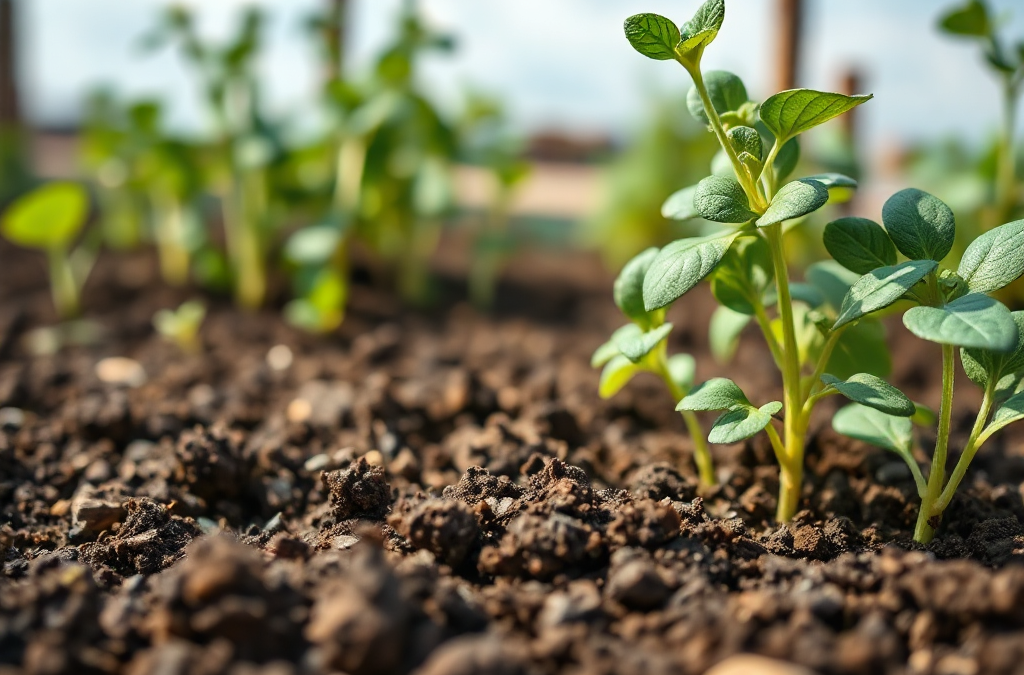
Adjust soil pH for better vegetable growth by testing a representative soil sample, comparing the result with the crops you plan to grow, and applying lime to raise pH or elemental sulfur to lower it. Soil pH affects nutrient availability, so an unsuitable reading can produce poor growth even when fertilizer is present. Mix amendments thoroughly into the root zone, follow the product rate rather than guessing, and allow time for the soil to react before retesting. Avoid changing pH based only on leaf color or a single inexpensive probe, because drainage, organic matter, and nutrient shortages can create similar symptoms.
Why Soil pH Changes Vegetable Nutrition
Soil pH describes how acidic or alkaline the growing medium is, and that chemical balance influences whether roots can access nutrients. Most vegetables grow well in a mildly acidic to nearly neutral range, often around pH 6.0 to 7.0, although potatoes, blueberries, and a few specialty crops prefer more acidic conditions. A pH reading outside a crop’s useful range can make nutrients less available or, in some soils, more soluble than roots can safely tolerate.
The effect is not the same as simply having too little fertilizer. A soil may contain phosphorus, iron, or manganese while pH prevents plants from using those nutrients efficiently. High-pH soil commonly makes iron less available, which can produce yellow young leaves with greener veins. Very acidic soil may restrict root development and increase the availability of elements that can injure roots. Nitrogen deficiency, compacted soil, drought, and poor drainage can create similar symptoms, so visual diagnosis alone is unreliable.
Crop choice changes the target. Lettuce, beans, carrots, cucumbers, and tomatoes generally tolerate mildly acidic soil, while potatoes often perform acceptably at a lower pH. A mixed bed therefore requires a compromise rather than a dramatic correction aimed at one crop. If an acid-loving crop is important, placing it in a separate container or dedicated bed may be more practical than shifting the chemistry of an entire vegetable plot.
Organic matter adds another layer. Mature compost can improve structure and nutrient buffering, but it should not be treated as a fast, precise pH correction. Fresh manure may contain soluble salts and can create additional problems. The sensible priority is to identify the reading, match it to the crop, and correct only as far as the planting plan requires. The linked topic how to adjust soil pH for better vegetable growth is most useful when pH is considered alongside drainage and fertility rather than in isolation.
Testing Soil Before Choosing An Amendment
A dependable adjustment begins with a representative soil sample, not a guess based on one corner of the bed. Remove surface debris, take several cores from the planned root zone, mix them in a clean container, and submit a blended sample to a reputable soil-testing laboratory or use a properly calibrated home test. Separate samples make sense for areas with different histories, such as a compost-rich bed beside an untouched lawn conversion.
Laboratory reports usually provide pH along with nutrient levels and sometimes lime requirement or buffer information. That buffer result matters because two soils with the same pH may need very different amounts of lime. Clay-rich or high-organic-matter soils resist rapid pH movement, while sandy soils may shift more readily and may not hold the correction as long. A product label that gives one universal application rate cannot account for all of those differences.
Home probes can be useful for detecting broad differences, but readings vary with moisture, soil contact, calibration, and probe quality. Do not apply a large amount of amendment after one questionable result. Repeat an unexpected reading with a second method or use a laboratory test, especially before treating a large bed. Testing irrigation water can also explain recurring alkalinity problems in containers or raised beds.
Record the sample location, date, crop plan, and previous applications. A short history prevents a common failure: adding lime every spring because the gardener remembers that a bed was once acidic. Soil does not reset on a seasonal schedule. If a report shows only a modest departure from the preferred range, maintaining organic matter and choosing tolerant crops may be wiser than forcing a precise number.
- Low reading: compare the crop target, soil texture, and laboratory lime recommendation.
- High reading: check irrigation water, imported fill, concrete runoff, and repeated alkaline amendments.
- Confusing symptoms: review drainage, root health, and nutrient results before blaming pH.
Raising Low pH With Lime
Agricultural lime is the usual amendment for raising acidic soil pH, but its effect depends on the material and the soil. Calcitic lime supplies calcium carbonate; dolomitic lime supplies calcium and magnesium. Dolomitic products are not automatically better. They may be inappropriate when a soil test already shows adequate or excessive magnesium. Pelletized products are easier to spread than finely ground materials, while finer particles generally react more quickly when incorporated.
Use the soil report and product label to determine the rate. Applying extra lime does not speed the process in a controlled way; it can push pH too high and create new nutrient-availability problems. Spread the amendment evenly over the bed and mix it into the root zone when the soil is workable. Leaving a heavy layer on the surface produces uneven correction, particularly in a no-till bed. Avoid working wet clay, which can compact into dense clods.
Timing matters because lime reacts gradually. Incorporating it before planting gives it more contact with the soil, but a seasonal application should not be expected to transform a strongly acidic bed immediately. A vegetable garden with an urgent planting date may be better served by selecting crops that tolerate the current range while beginning a measured correction for the next cycle. Raised beds and containers need smaller, more carefully calculated amounts because their soil volume is limited.
Garden lime is different from quicklime or hydrated lime. The latter materials are highly reactive and can damage roots or irritate skin if misused; they are not sensible substitutes for routine home-garden correction. Wear the protection specified on the label, prevent dust from drifting, and keep amendments away from children and pets during application. After the soil has had time to react, retest rather than adding another dose automatically.
Adding compost at the same time can improve moisture management and biological activity, but compost does not cancel an excessive lime application. Treat structure and pH as related but separate decisions. The practical sign of success is not a sudden greener plant; it is a test result moving toward the crop target while new growth develops without recurring deficiency patterns.
Lowering High pH With Sulfur And Organic Matter
Elemental sulfur is the principal amendment used to lower alkaline soil pH. Soil microorganisms convert sulfur into acidic compounds, so warmth, moisture, oxygen, and microbial activity affect the pace of change. The process is slower in cold or waterlogged ground and may be limited in strongly buffered clay. Sulfur is therefore a planned soil-building measure, not an instant rescue for seedlings already showing stress.
Use a laboratory recommendation or a label rate based on soil texture and current pH. Spread sulfur evenly and incorporate it shallowly into the root zone when appropriate. Large unmeasured applications can create sharply acidic pockets, particularly where material is dumped around one plant. Do not confuse elemental sulfur with sulfate fertilizers: they can supply nutrients, but they are not interchangeable pH-lowering treatments.
Organic matter can support a long-term approach by improving structure, water movement, and nutrient buffering. Compost, leaf mold, and well-decomposed plant material may gradually moderate difficult soil conditions, but their pH effect is variable and usually modest. In a raised bed filled with alkaline imported soil, replacing part of the mix or growing in containers may be more predictable than trying to acidify the entire volume with repeated amendments.
Consider the water source before committing to a recurring correction. Alkaline irrigation water can gradually counteract sulfur treatment, especially in containers that receive frequent watering. Concrete foundations, masonry dust, and alkaline fill can create localized high readings. Removing the source may solve the problem more effectively than applying more sulfur each year.
Acidifying fertilizer may be useful for a specific crop and fertility program, but it should not be used as a blind substitute for a soil test. Overuse can add unnecessary salts or nutrients. If tomatoes are struggling in high-pH ground, correcting the root-zone condition and checking iron availability may be more useful than repeatedly adding general fertilizer. A cautious program uses small, measured changes, observes new growth, and retests after the soil has had time to respond.
Retesting, Crop Matching, And Common Mistakes
Retesting is the only dependable way to confirm that an amendment changed soil pH in the intended direction. Wait long enough for the material to react, following the laboratory or product guidance, then sample the same area using the same method. A reading taken immediately after application may reflect an uneven patch rather than the bed’s actual root-zone condition.
Use the result to make a crop decision, not to chase a perfect number. If a bed tests slightly outside the preferred range but vegetables are growing normally, modest organic-matter maintenance and crop selection may be enough. If new leaves repeatedly show a deficiency pattern and the test confirms unsuitable pH, a measured correction deserves priority. A soil test with low nutrient levels may require fertility work as well; pH adjustment cannot supply missing nitrogen or repair compacted roots.
Common mistakes include using vinegar or baking soda as permanent treatments, copying a lime rate from another garden, adding wood ash without testing, and correcting the whole property when only one bed is affected. Wood ash can raise pH and add minerals, but its strength varies and excessive use can create a rapid imbalance. Kitchen acids and alkaline powders may alter a small test sample, yet they do not provide a stable field solution.
A practical sequence is straightforward:
- Test separate areas and note soil texture, drainage, previous amendments, and the next crop.
- Set a reasonable target based on the vegetables rather than demanding a universal pH.
- Choose lime for acidic soil or elemental sulfur for alkaline soil, using a measured rate.
- Incorporate safely when suitable, then maintain even moisture without saturating the bed.
- Retest before repeating the treatment and compare new plant growth with the original symptoms.
Keep a simple amendment log with the product, amount, date, bed, and test result. That record is especially valuable in small gardens where repeated compost, ash, or fertilizer applications accumulate quickly. The broader resource how to adjust soil pH for better vegetable growth should lead to a measured correction plan, not a routine annual application. For crop-specific choices, connect the pH result to how to adjust soil pH for better vegetable growth and the vegetables’ actual tolerance.
For reliable amendment rates and interpretation, consult a local university extension soil-testing service, state agriculture department, or public laboratory. These sources can account for regional soil texture, irrigation chemistry, and crop recommendations more accurately than a universal online chart.
Frequently Asked Questions
What pH is best for most vegetables?
Many vegetables perform well in mildly acidic to nearly neutral soil, commonly around pH 6.0 to 7.0. Crop-specific tolerances vary, so use the planting plan and soil report together.
How can I raise acidic soil pH?
Apply agricultural lime at a rate based on the soil test, spread it evenly, and incorporate it into the root zone when conditions allow. Retest before adding more.
How can I lower alkaline soil pH?
Elemental sulfur is commonly used, with the required amount depending on current pH, soil texture, and buffering. Compost may improve soil condition but is not a precise substitute.
Can compost correct soil pH?
Compost can improve structure and nutrient buffering, and it may gently moderate difficult soil, but its pH effect is variable. Use tested amendments for a specific correction.
Why should soil be retested after an amendment?
Reaction speed depends on moisture, temperature, texture, and incorporation. Retesting confirms whether the root zone moved toward the crop target and prevents accidental overcorrection.
Conclusion
Successful pH adjustment is a measured soil-management decision rather than a quick response to yellow leaves. Test representative samples, identify the vegetables’ workable range, and consider texture, organic matter, drainage, and irrigation water before choosing lime or elemental sulfur. Apply only the recommended amount, incorporate it evenly where appropriate, and allow time for the chemistry to change. Slightly imperfect pH may be easier to manage through crop selection than through aggressive treatment, while a persistent mismatch deserves a documented correction plan. Retesting and keeping an amendment record are the safeguards that prevent repeated guessing. When pH, fertility, moisture, and root conditions are assessed together, vegetables have a better chance of producing steady new growth without unnecessary amendments.


