
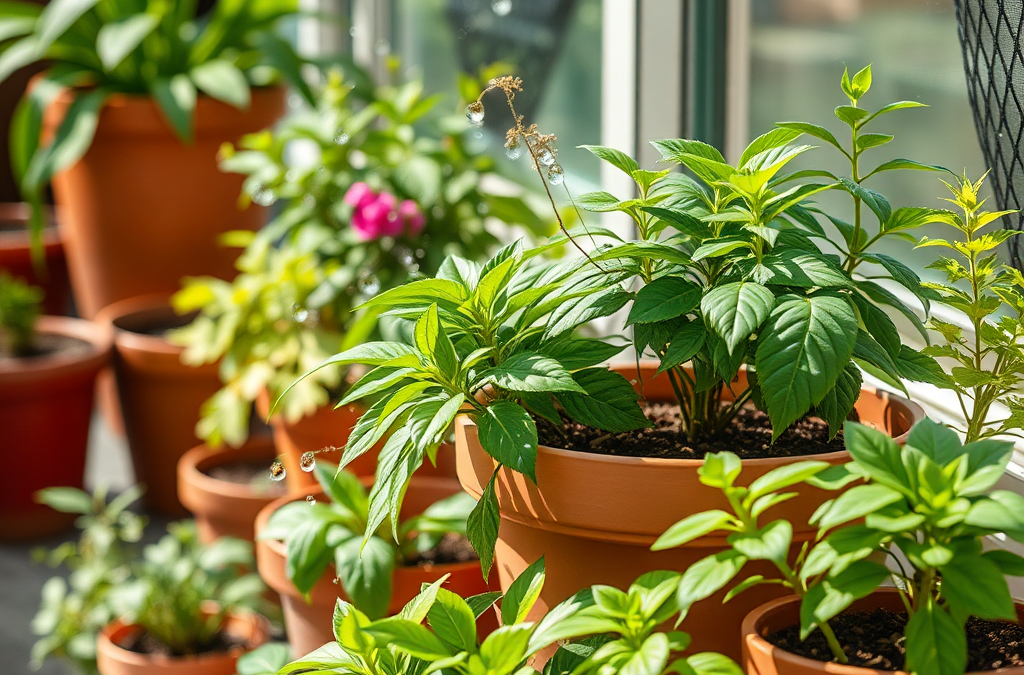
To fix overwatering issues in container plants, first check the drainage holes to ensure they are not blocked. Adjust your watering schedule by allowing the soil to dry out between waterings, and consider using a moisture meter to gauge the soil's moisture level accurately. Additionally, repotting the plant in fresh, well-draining soil can help restore its health and prevent root rot, a common consequence of overwatering.
Identifying Overwatering Symptoms
Recognizing the symptoms of overwatering is crucial for maintaining the health of container plants. Common signs include yellowing leaves, wilting despite wet soil, and a musty odor emanating from the soil, which indicates root rot. Additionally, if you notice blackened roots when inspecting the plant, this is a clear indication that the roots are suffering from excessive moisture. Understanding these symptoms allows you to take timely action to prevent further damage.
Another key indicator is the soil texture. Soil that remains soggy or muddy for extended periods is a sign of overwatering. Over time, this condition can lead to root suffocation, making it essential to monitor the moisture levels closely. Pay attention to how quickly the soil dries out after watering; if it stays wet for too long, adjustments are necessary.
Adjusting Your Watering Schedule
To effectively fix overwatering issues, it is vital to adjust your watering routine. A common mistake among plant owners is watering on a set schedule rather than based on the plant’s actual needs. Factors such as temperature, humidity, and the specific plant type all influence how often your plants require watering.
One effective strategy is to check the top inch of soil before watering. If it feels dry, it’s time to water; if it’s still moist, hold off. Using a moisture meter can also provide a more accurate reading of soil moisture levels, helping you avoid the pitfalls of overwatering. Typically, most container plants thrive when allowed to dry out slightly between waterings, which encourages healthy root growth.
Improving Drainage in Container Plants
Proper drainage is essential for preventing overwatering in container plants. Ensure the container has adequate drainage holes to allow excess water to escape. If you find that your pots lack sufficient drainage, consider drilling additional holes or switching to a pot that is designed with better drainage in mind.
Additionally, using a well-draining potting mix can greatly reduce the risk of overwatering. Look for soil that contains materials like perlite or vermiculite, which help improve aeration and drainage. Adding a layer of gravel or small stones at the bottom of the pot can also enhance drainage, allowing water to flow freely away from the roots.
Repotting for Recovery
If your plant is showing severe signs of overwatering, repotting may be necessary. Start by gently removing the plant from its current container and inspecting the roots. Trim away any mushy or blackened roots with sterilized scissors to prevent further rot.
When repotting, use fresh, well-draining soil to give your plant a new start. Choose a pot that is slightly larger than the previous one to allow for healthy root expansion. After repotting, water the plant lightly and monitor its recovery closely. This process not only helps mitigate the effects of overwatering but also rejuvenates your plant, encouraging new growth.
Frequently Asked Questions
What are the first signs of overwatering in container plants?
The first signs include yellowing leaves, wilting, and a musty smell from the soil.
How often should I water my container plants?
Water when the top inch of soil feels dry; this can vary based on plant type and environmental conditions.
Can overwatered plants recover?
Yes, with proper care such as adjusting watering habits and repotting, overwatered plants can often recover.
Is it better to underwater than overwater container plants?
Yes, it’s generally safer to underwater than overwater; most plants can tolerate short periods of dryness.
What soil is best for preventing overwatering?
A well-draining potting mix with materials like perlite or vermiculite is best for preventing overwatering.
Conclusion
Maintaining the right moisture level in container plants is essential for their health. By recognizing the symptoms of overwatering, adjusting your watering schedule, ensuring proper drainage, and repotting when necessary, you can effectively manage and prevent overwatering issues. Regular monitoring and adjustments will lead to thriving plants and reduce the risk of root rot.


