
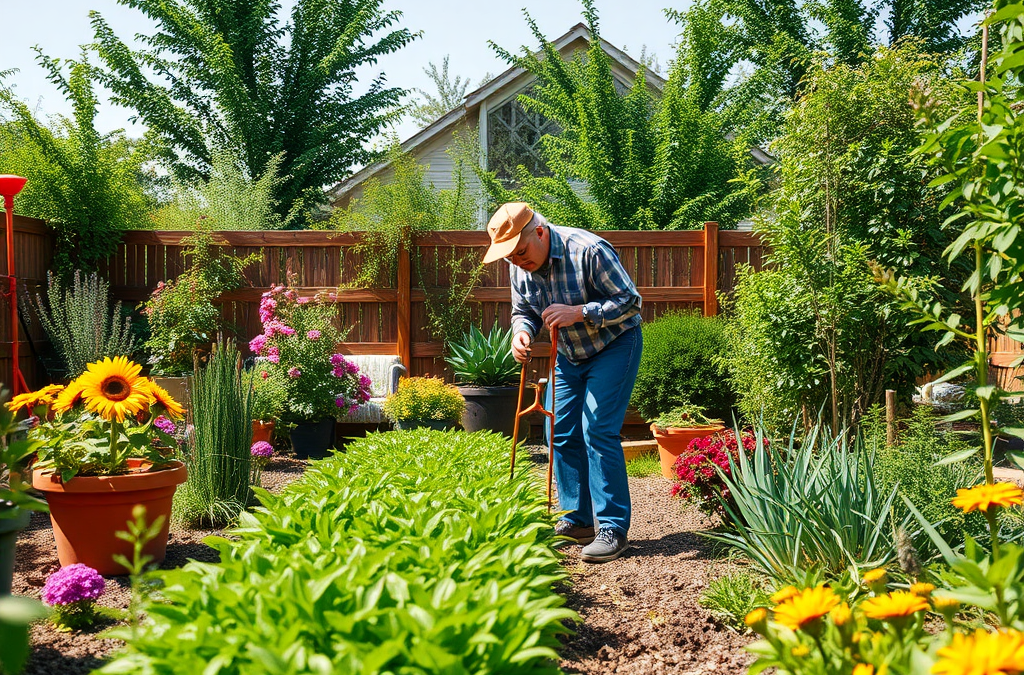
Common mistakes causing pest infestations in gardens include overwatering, improper plant spacing, and neglecting soil health. Overwatering creates a damp environment that attracts pests like slugs and mosquitoes, while poor spacing allows for overcrowding, which can lead to increased disease and pest pressure. Additionally, neglecting soil health weakens plants, making them more susceptible to infestations. By addressing these mistakes, gardeners can create a healthier ecosystem that reduces the risk of pest problems.
Overwatering: A Breeding Ground for Pests
Overwatering is one of the most common mistakes gardeners make, leading to a variety of pest infestations. When plants receive too much water, the soil becomes saturated, creating a perfect environment for pests such as slugs, mosquitoes, and fungal gnats. These pests thrive in damp conditions, leading to potential infestations that can damage plants and hinder growth.
To prevent overwatering, it’s essential to understand the specific watering needs of different plants. Factors such as soil type, weather conditions, and plant maturity all play a role in determining when and how much to water. Gardeners should implement a watering schedule that allows the soil to dry out between waterings, ensuring that plants receive adequate moisture without becoming waterlogged.
Additionally, using well-draining soil and planting in raised beds can help mitigate the risks associated with overwatering. Monitoring soil moisture levels with a moisture meter or by hand can further assist gardeners in maintaining the right watering balance.
Improper Plant Spacing: The Overcrowding Effect
Another common mistake leading to pest infestations is improper plant spacing. When plants are spaced too closely together, they compete for resources such as sunlight, nutrients, and water. This overcrowding can create a humid microclimate that attracts pests and increases the likelihood of disease spread.
Proper spacing allows for adequate air circulation, which helps to keep plants dry and reduces the risk of fungal infections and pest infestations. When planning a garden layout, it’s crucial to consider the mature size of each plant and provide enough space for them to grow without crowding one another.
For example, planting tomatoes too close together can lead to a higher incidence of blight and other diseases, as the lack of airflow creates a moist environment ideal for pathogens. By ensuring plants have the recommended spacing, gardeners can foster healthier growth and minimize pest problems.
Neglecting Soil Health: The Foundation of Plant Defense
Soil health is fundamental to a garden’s overall success and resistance to pests. Neglecting soil health can weaken plants, making them more susceptible to infestations. Healthy soil is rich in organic matter, nutrients, and beneficial microorganisms that support plant growth and resilience.
To maintain soil health, gardeners should regularly amend their soil with organic matter such as compost or well-rotted manure. This practice not only improves soil structure and nutrient content but also promotes a thriving ecosystem of beneficial insects and microorganisms that can help control pest populations.
Additionally, practicing crop rotation and cover cropping can further enhance soil health by preventing nutrient depletion and reducing pest and disease pressure. By focusing on soil health, gardeners can create a robust foundation that supports strong, pest-resistant plants.
Ignoring Pest Indicators: Signs of Infestation
Many gardeners overlook the early signs of pest infestations, which can lead to more significant problems down the line. Recognizing the indicators of pest activity, such as chewed leaves, discolored foliage, or unusual insect presence, is crucial for effective pest management.
Regularly inspecting plants for these signs allows gardeners to take prompt action before infestations escalate. Integrated pest management (IPM) strategies, such as introducing beneficial insects or using organic pest control methods, can be employed as soon as pest activity is detected.
Gardeners should also educate themselves about the specific pests that commonly affect their plants and the signs to watch for. This proactive approach can help in maintaining a healthy garden environment and reducing the risk of severe infestations.
For those looking to dive deeper into pest management in gardens, consider exploring resources provided by agricultural extensions or botanical gardens. They often offer insights into local pest issues and effective management strategies tailored to specific climates and regions.
Frequently Asked Questions
What are the signs of a pest infestation in my garden?
Common signs include chewed leaves, discolored foliage, and visible insects on plants.
How can I improve soil health in my garden?
Add organic matter like compost and practice crop rotation to enhance soil structure and nutrients.
What is the best way to water my plants?
Water deeply but infrequently, allowing soil to dry out between waterings to prevent overwatering.
How much space should I leave between plants?
Follow specific spacing guidelines for each plant type, generally allowing at least 12-24 inches between mature plants.
What are some natural pest control methods?
Introduce beneficial insects, use insecticidal soap, or create barriers to deter pests.
Conclusion
Addressing common mistakes that cause pest infestations in gardens is crucial for maintaining healthy plant growth. By managing watering practices, ensuring proper plant spacing, prioritizing soil health, and recognizing early pest indicators, gardeners can significantly reduce the risk of infestations. Implementing these strategies not only fosters a thriving garden but also contributes to a more sustainable gardening practice.


