
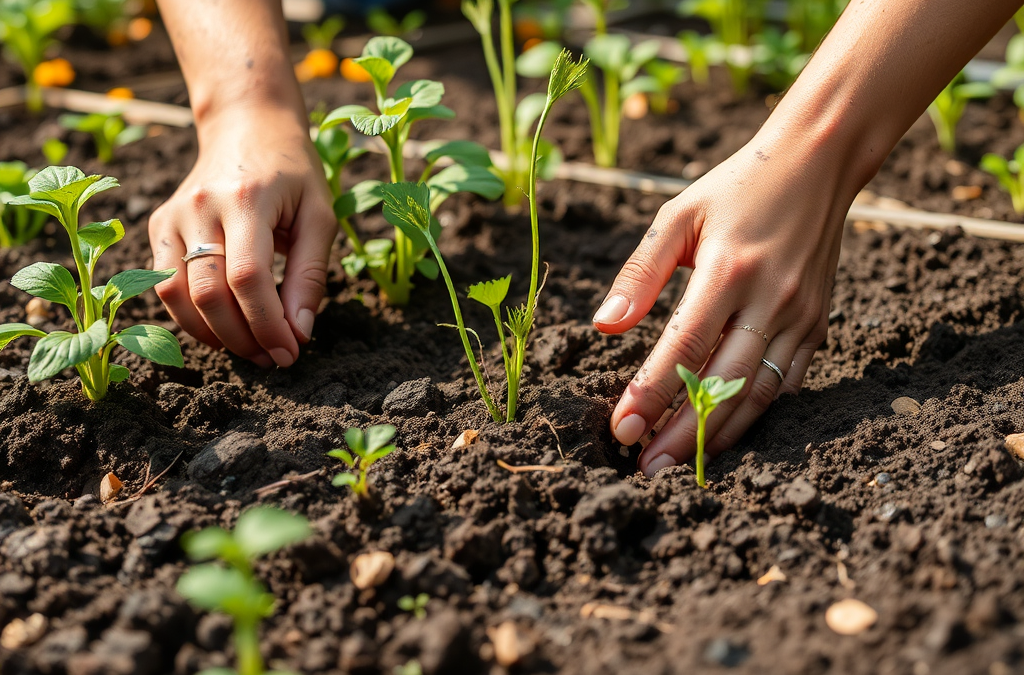
Your vegetable garden may be failing in spring due to poor soil quality, inconsistent watering, and pest issues. To address soil problems, conduct a soil test to determine nutrient levels and amend it with organic matter like compost. Establish a consistent watering routine that allows the soil to dry slightly between waterings to prevent root rot. Additionally, implement early pest control measures to protect your plants from infestations that can stunt growth and reduce yields.
Soil Quality Issues
The foundation of a thriving vegetable garden is healthy soil. If your garden is failing in spring, one of the first factors to examine is soil quality. Poor soil can lead to nutrient deficiencies, affecting plant growth and yield. Common issues include compacted soil, low pH levels, or inadequate organic matter.
To assess your soil, start with a soil test. This will reveal nutrient levels and pH balance, helping you understand what amendments are necessary. Adding organic matter such as compost can improve soil structure and drainage, while also providing essential nutrients. Regularly rotating crops and incorporating cover crops can further enhance soil health.
One common mistake is assuming that all soil is created equal. Each type of vegetable may have specific soil requirements, so it’s crucial to tailor your soil amendments to the needs of your plants. Additionally, avoid over-fertilizing, as this can lead to nutrient burn and further complications.
Watering Problems
Inconsistent or improper watering is a frequent cause of vegetable garden failures in spring. Plants need adequate moisture to establish roots and grow, but overwatering can lead to root rot and other diseases. Understanding your plants’ water needs is essential.
To create a successful watering strategy, consider the climate, soil type, and specific vegetable requirements. A general rule is to water deeply but infrequently, allowing the soil to dry out slightly between waterings. Mulching can also help retain moisture and regulate soil temperature.
Many gardeners make the mistake of relying solely on rainfall, which can be unpredictable in spring. Regularly monitor soil moisture levels using a moisture meter or by checking the soil with your fingers. Adjust your watering schedule based on plant growth stages and weather conditions.
Pest Infestations
Pests can wreak havoc on vegetable gardens, especially in spring when plants are young and vulnerable. Common pests include aphids, slugs, and caterpillars, which can quickly damage or destroy crops. Early detection and management are key to preventing infestations.
Implementing integrated pest management (IPM) strategies can help control pests effectively. This includes monitoring plants regularly, using physical barriers like row covers, and introducing beneficial insects such as ladybugs and lacewings. Chemical pesticides should be used as a last resort, as they can harm beneficial insects and disrupt the ecosystem.
A common misconception is that all pesticides are safe if used correctly. However, many have long-term effects on soil health and non-target species. Always read labels carefully and consider organic options when possible.
Temperature Fluctuations
Spring weather can be unpredictable, with temperature fluctuations that may stress your plants. Frost can damage tender seedlings, while excessive heat can lead to wilting and poor growth. Understanding your local climate and selecting appropriate planting dates is crucial.
To protect young plants from unexpected frosts, consider using row covers or cloches. These can provide insulation and shield plants from cold winds. Additionally, planting heat-tolerant varieties can help mitigate the effects of early-season heat.
Many gardeners fail to consider microclimates within their garden. Areas that receive more sunlight or are sheltered from wind may support different plant growth than shadier spots. Observing these conditions can inform better planting and care practices.
Frequently Asked Questions
What are the signs of poor soil quality?
Signs of poor soil quality include compacted soil, poor drainage, and stunted plant growth. A soil test can confirm nutrient deficiencies.
How often should I water my vegetable garden in spring?
Water deeply but infrequently, aiming for about 1 inch of water per week, adjusting based on rainfall and soil moisture levels.
What are the most common pests in vegetable gardens?
Common pests include aphids, slugs, caterpillars, and beetles. Regular monitoring and early intervention are key to managing them.
How can I protect my plants from frost?
Use row covers or cloches to protect young plants from frost. Planting in warmer microclimates can also help.
What should I do if my plants are wilting?
Check soil moisture first; overwatering or underwatering could be the issue. Adjust your watering schedule accordingly.
Conclusion
To ensure a successful vegetable garden in spring, focus on soil quality, watering practices, pest management, and climate considerations. By addressing these areas proactively, you can prevent many common issues that lead to garden failure. Regular monitoring and adjustments based on your garden’s specific needs will help you cultivate a thriving vegetable garden.


