
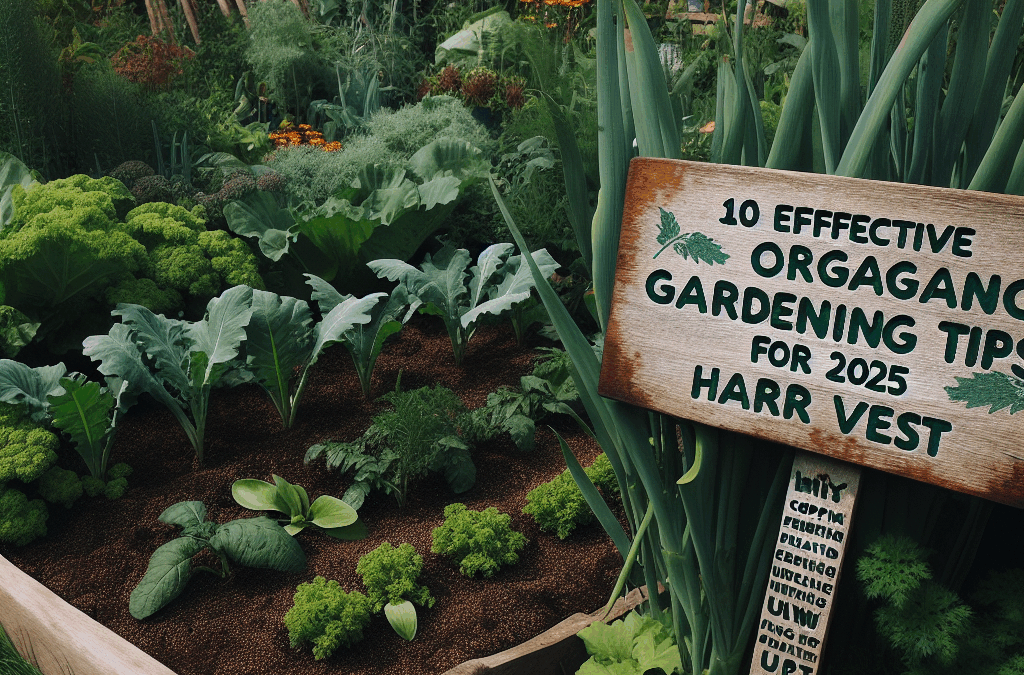
Growing strawberries in small spaces can be achieved effectively through container gardening methods that optimize limited areas. This approach not only allows for the cultivation of strawberries in smaller gardens or balconies but also provides flexibility in managing soil quality and watering needs. Utilizing containers enables gardeners to control the growing environment, which is crucial for producing healthy, fruit-bearing plants.
When growing strawberries in containers, it is essential to choose the right type of container. Look for pots that are at least 12 inches deep and wide, as this size supports the root system adequately. Additionally, ensure that your containers have proper drainage holes to prevent waterlogging, which can lead to root rot. Using high-quality potting soil mixed with organic compost can enhance nutrient availability and promote robust growth.
Choosing the Right Strawberry Varieties
To maximize success in small spaces, selecting the right strawberry varieties is crucial. Day-neutral and everbearing strawberries are particularly suitable for container gardening as they produce fruit continuously throughout the growing season. This characteristic is beneficial in limited spaces, allowing for a longer harvest period compared to June-bearing varieties, which produce fruit all at once.
Consider your local climate when choosing varieties. For instance, some types may thrive better in warmer climates, while others are more suited to cooler temperatures. Understanding the specific growth requirements and fruiting cycles of different varieties helps in planning an effective container gardening strategy.
Optimal Soil and Fertilization Techniques
Using the right soil mix is essential for growing strawberries in containers. A well-draining potting mix combined with organic matter such as compost will provide the necessary nutrients and aeration for healthy root development. Regular fertilization is also critical; consider using a balanced fertilizer designed for fruiting plants to encourage optimal growth and fruit production.
It’s important to monitor the nutrient levels in your soil throughout the growing season. Adding a slow-release fertilizer can help maintain nutrient availability. Additionally, be cautious about over-fertilizing, as this can lead to excessive foliage growth at the expense of fruit production.
Watering and Sunlight Requirements
Strawberries require consistent moisture, especially in containers, where soil can dry out more quickly. Water your strawberry plants regularly, ensuring the soil is moist but not soggy. A good rule of thumb is to water when the top inch of soil feels dry.
Sunlight is another critical factor for strawberry growth. Aim to place your containers in a location that receives at least 6-8 hours of direct sunlight each day. If natural sunlight is limited, consider using grow lights to supplement light exposure, especially during shorter days.
Pest and Disease Management
Container-grown strawberries can be susceptible to various pests and diseases. Regularly inspect your plants for signs of pests such as aphids or spider mites, which can be controlled with insecticidal soap or natural predators like ladybugs. Additionally, maintaining good air circulation around your plants can help prevent fungal diseases.
Implementing crop rotation and avoiding overwatering can also reduce the risk of disease. If you notice any infected plants, promptly remove and dispose of them to protect your healthy plants.
Frequently Asked Questions
What is the best container size for growing strawberries?
A container that is at least 12 inches deep and wide is ideal for growing strawberries, providing sufficient space for root development.
How often should I water my container strawberries?
Water your container strawberries regularly, ensuring the soil remains moist but not waterlogged, typically when the top inch of soil feels dry.
Can strawberries be grown indoors?
Yes, strawberries can be grown indoors using containers, provided they receive adequate sunlight or grow light for at least 6-8 hours a day.
What are the signs of overwatering strawberries?
Signs of overwatering include yellowing leaves, wilting, and root rot, which can be detrimental to the health of your plants.
How can I protect my strawberries from pests?
Regularly inspect your plants and use insecticidal soap or introduce natural predators like ladybugs to keep pests at bay.
Conclusion
Growing strawberries in small spaces is achievable through effective container gardening techniques. By selecting the right varieties, using appropriate soil, and maintaining proper watering and sunlight conditions, you can enjoy a fruitful harvest even in limited areas. Be proactive in pest management and keep an eye on your plants’ health to maximize your strawberry-growing experience. Start your container garden today, and enjoy fresh strawberries right from your home!


