
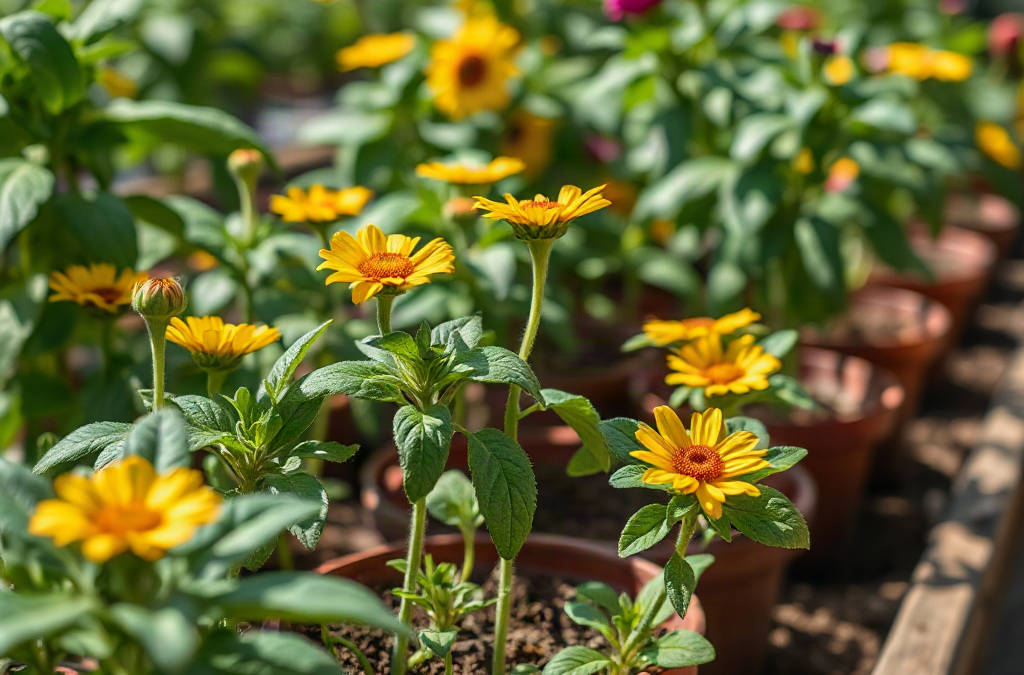
When plants are not producing flowers, fruit, or vegetables, check sunlight, temperature, pollination, watering, and nutrient balance before adding fertilizer. Too much nitrogen often creates lush leaves at the expense of blooms, while heat, cold, drought, or saturated roots can cause flowers to drop. Confirm that flowering crops receive enough direct sun and that blossoms are being pollinated; hand-pollinate when insects or wind are insufficient. Correct only the problem you can identify, because extra feeding, heavier watering, and unnecessary pruning may delay production further.
Confirm What the Plant Should Be Producing
A plant can look unproductive even when it is behaving normally for its species, variety, or stage of growth. Leafy crops are harvested for foliage, root crops develop mostly below ground, and fruiting crops must mature vegetatively before they can support flowers and fruit. A newly transplanted tomato may spend time establishing roots, while a young fruit tree can require substantially more maturity before bearing. Diagnose the expected output before treating the absence of a harvest as a failure.
Start by identifying the plant and, if possible, its variety. Some cucumbers produce separate male and female flowers, and male flowers commonly appear first. Squash behaves similarly, so an early flush of blossoms without fruit may not indicate failed pollination. Pole beans can take longer to begin cropping than bush beans but may continue producing for a longer period. Broccoli grown in warm weather may form a small or loose head rather than the dense head expected under cooler conditions.
Seed packets, plant labels, and reputable extension guidance can help establish approximate days to maturity, but those figures are not a countdown from the day a seed enters the soil. Depending on the label, maturity may be measured from sowing or transplanting, and cool soil, transplant shock, low light, or root disturbance can slow progress. Treat the date as a planning reference rather than a promise.
Next, determine which stage has stalled. The distinction narrows the likely causes:
- Healthy leaves but no flowers: suspect immaturity, insufficient light, excess nitrogen, pruning, or unsuitable temperatures.
- Flowers that fall without fruit: investigate temperature stress, inconsistent moisture, and inadequate pollination.
- Small fruit that stops growing: check water stress, root health, pest damage, and whether the plant is carrying more fruit than it can support.
- Weak growth with pale or damaged foliage: address overall plant health before expecting production.
Do not compare every plant with the strongest specimen in the bed. Differences in shade, transplant quality, root competition, and variety can create uneven results within a few feet. Record planting dates, flowering dates, and visible symptoms for a week before making several changes at once. That short observation period makes what to do if your plants are not producing a specific diagnosis rather than a cycle of fertilizer, water, and pruning applied without evidence.
Check Sunlight, Temperature, and Seasonal Timing
Light and temperature often determine whether a healthy plant shifts from making leaves to making flowers and fruit. Most fruiting vegetables perform best with abundant direct sunlight, although the exact requirement varies by crop and climate. A bed described as sunny may receive strong morning light but fall into building or tree shade during the afternoon. Observe the site at several points during one clear day instead of relying on a general impression.
Low light reduces the energy available for flowering and fruit development. Plants may stretch, lean toward the light, develop wide spacing between leaves, or remain green without setting a crop. Adding fertilizer cannot replace missing sunlight and may worsen the imbalance by encouraging more foliage. Containers can be moved to a brighter position, but established garden plants are harder to relocate. Pruning a small amount of obstructing vegetation may help, provided the shade source can be cut safely and legally. Otherwise, reserve that site for crops that tolerate partial shade and place tomatoes, peppers, squash, and melons in the brightest available area next season.
Temperature can stop production even under strong light. Tomato pollen may function poorly during prolonged heat, and blossoms can drop before fruit forms. Peppers and beans may also pause during temperature extremes. Cool-season crops face the opposite problem: heat and long days can push lettuce, spinach, and some brassicas toward flowering rather than the leaves or heads gardeners intended to harvest. Covering overheated plants with dense shade all day is not necessarily the answer; reduced heat may come at the cost of too little light.
Use moderate interventions matched to the weather. A light-colored shade cloth during the harshest afternoon hours may reduce heat stress in very hot conditions while preserving useful morning sun. Mulch can moderate soil temperature and slow moisture loss, but keep it away from stems and avoid piling it over cold, waterlogged soil. Row covers can protect young plants during cool periods, yet they should be vented as conditions warm and removed or opened when insect-pollinated flowers appear.
Seasonal timing sets a hard limit that products cannot overcome. A pumpkin planted too late may flower but lack enough warm weather to mature fruit. Peas sown as summer begins may encounter heat before producing well. If the crop is fundamentally out of season, prioritize keeping it healthy only when a realistic harvest window remains. Otherwise, replace it with a crop suited to the coming temperatures and adjust next year’s planting calendar. The common mistake is treating climate-driven delays as nutrient deficiencies, which adds growth without changing the environmental signal controlling production.
Correct Water and Nutrient Problems Without Overreacting
Root-zone conditions influence production more reliably than frequent surface feeding. Roots need both moisture and oxygen. Soil that repeatedly shifts from very dry to saturated can trigger blossom drop, misshapen produce, or interrupted fruit growth, while continuously wet soil excludes air and encourages root decline. Check moisture several inches below the surface rather than judging only by a dry crust.
When the root zone is dry, water deeply enough to moisten the active roots, then allow normal drainage. A slow application is more useful than a quick splash that wets foliage and the top inch of soil. Containers need closer monitoring because they dry faster, but they should still have open drainage holes and should not remain in saucers of standing water. In heavy ground, watering on a fixed daily schedule can be damaging even during warm weather. Soil texture, rainfall, plant size, and temperature should control frequency.
Nutrition requires similar restraint. Nitrogen drives leafy growth, so repeated use of high-nitrogen lawn fertilizer, manure, or soluble feed can produce a large green plant with few flowers. Phosphorus and potassium are involved in plant growth and reproduction, but applying them blindly is not a dependable cure. Soil may already contain adequate amounts, and excess nutrients can create imbalances or move beyond the root zone. A soil test is more useful than selecting a product because its package promises blooms.
Consider two tomato plants: one is tall, dark green, and leafy with few flowers; the other is small, pale, and growing slowly. The first may be receiving too much nitrogen or too little light, so more fertilizer is a poor response. The second may need nutrition, but compacted soil, cold roots, poor drainage, or root damage can produce similar symptoms. Applying the same fertilizer to both plants ignores the mechanism behind their different appearances.
Use a short correction sequence before feeding:
- Check moisture below the surface and confirm that excess water can drain.
- Look for dark, soft, or foul-smelling roots in a struggling container plant.
- Review recent additions, including compost, manure, granular fertilizer, and liquid feed.
- Test the soil when poor production affects a whole bed or returns each season.
- Apply only the amendment indicated by the crop’s needs and the test results.
Signs of recovery include steady new growth, normal leaf color, flowers that remain attached, and fruit that continues enlarging. Sudden soft growth, scorched leaf edges, persistent wilting in wet soil, or a white fertilizer crust suggest that the intervention is failing. Gardeners researching what to do if your plants are not producing should resist combining fertilizer, extra irrigation, and foliar sprays on the same day; simultaneous treatments conceal which change helped and can compound stress.
Inspect Flowers, Pollination, Pests, and Plant Stress
Once flowers appear, successful production depends on viable blossoms, effective pollination, and enough healthy foliage to support developing fruit. Look closely at flowers rather than counting them from a distance. Determine whether they remain open, whether pollen is present, whether female flowers can be identified, and whether small fruit begins forming before it yellows or drops.
Pollination needs vary. Tomatoes and peppers have flowers that can pollinate with movement, although wind and visiting insects improve pollen transfer. Squash, cucumbers, and melons commonly bear separate male and female flowers; female flowers have a swollen ovary behind the bloom. A garden with many male flowers but no females needs time, not hand pollination. When both flower types are present and fruit still fails to develop, transfer fresh pollen from a male flower to the center of a female flower during the morning. A small, clean artist’s brush can also move pollen between compatible blossoms.
Hand pollination is a diagnostic and practical tool, not a cure for heat-damaged pollen or severe plant stress. If pollinated flowers continue dropping during a heat wave, stabilize moisture and wait for more suitable temperatures. Avoid spraying insecticides on open flowers. Even products marketed for garden use can harm pollinating insects if applied at the wrong time or directly to blooms. If treatment is necessary, identify the pest first, follow the product label, and use the narrowest intervention appropriate to the problem.
Pests and disease can divert resources before obvious crop loss occurs. Aphids cluster on tender growth, spider mites cause fine stippling and may produce webbing, and caterpillars remove leaf area needed for photosynthesis. Below ground, root damage may appear as midday wilting despite moist soil. Inspect leaf undersides, stems, flowers, and the soil line. A few chewed leaves rarely explain complete nonproduction on a vigorous plant, while extensive damage, distorted new growth, or spreading spots deserve prompt attention.
Pruning can become another source of stress. Removing diseased or badly damaged tissue is reasonable, but stripping healthy leaves to expose fruit reduces the plant’s energy-producing surface and can increase sunscald. Likewise, removing every early flower from a mature transplant delays the harvest without correcting poor conditions. Prioritize sanitation, airflow, and removal of confirmed damage over aggressive shaping.
Evaluate progress over the next flowering cycle rather than expecting existing damaged blossoms to recover. New blooms that stay attached, visible insect visits, enlarging ovaries, and stable foliage indicate that conditions are improving. If the plant continues declining despite corrected care, examine whether it is badly root-bound, infected throughout, or simply beyond its productive season. Replacing one failing annual can be more sensible than repeatedly treating it, especially when enough growing time remains for a healthy transplant or a faster crop.
Frequently Asked Questions
Why are my plants growing leaves but not producing flowers?
Insufficient direct light, excess nitrogen, immaturity, or unsuitable temperatures are common causes. Measure actual sun exposure and review recent fertilizer use before adding bloom products.
Why do flowers fall off before fruit forms?
Blossom drop often follows heat, cold, irregular watering, or failed pollination. Keep root-zone moisture reasonably even and check whether the crop's flowers require insects, wind, or hand pollination.
Should I add fertilizer when a plant is not producing?
Only when plant symptoms, care history, or a soil test indicate a deficiency. Unneeded nitrogen may increase foliage while delaying flowers and can aggravate an existing imbalance.
How long should I wait after correcting the problem?
Judge the next flush of growth or flowers rather than damaged tissue already present. Recovery time varies with the crop and weather, but retained blossoms and steadily enlarging fruit are useful early signs.
Can plants produce without pollinating insects?
Some crops self-pollinate with wind or movement, while others benefit greatly from insects. Tomatoes can be gently vibrated; squash and similar crops can be hand-pollinated when male and female flowers are open together.
Conclusion
Productive gardening depends on matching the remedy to the stalled stage. First establish whether the crop is mature and in season, then separate plants that never flower from those whose blossoms drop or whose young fruit stops developing. Measure light, inspect moisture below the surface, review fertilizer inputs, and examine flowers and leaves closely before intervening.
Change one major condition at a time whenever plant survival is not at immediate risk. That makes the result easier to interpret and reduces the chance of replacing one stress with another. Watch the next set of leaves and blossoms for evidence of recovery. If timing, climate, or severe root damage makes a harvest unlikely, replacing the plant may use the remaining season better than repeated feeding or spraying. Keep notes on the variety, planting date, weather, and successful correction so the same production gap is easier to prevent next year.


