
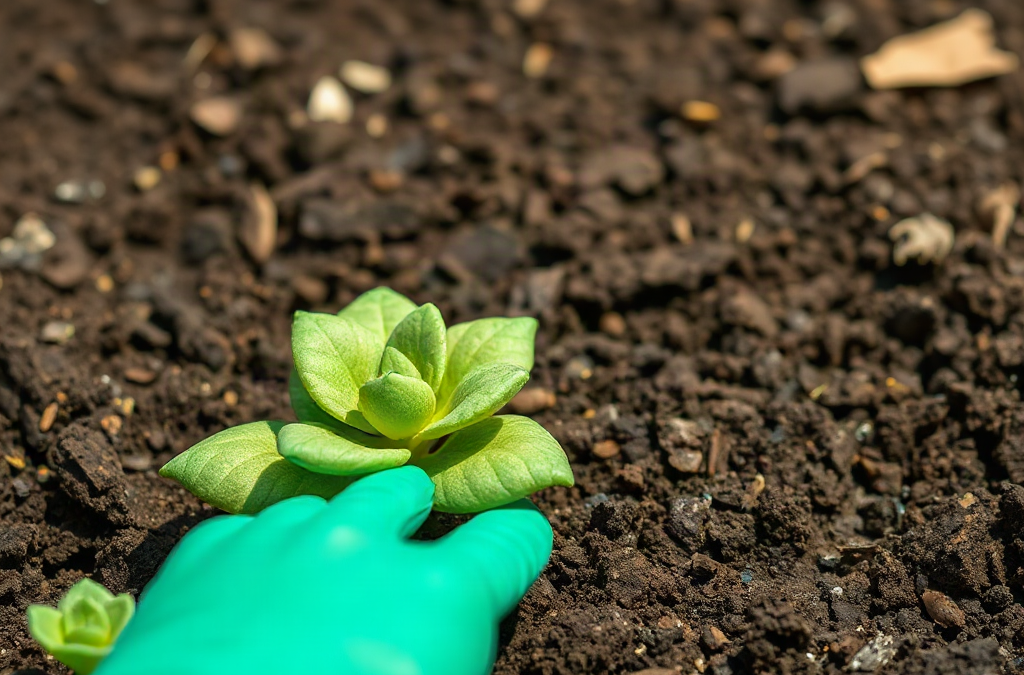
Manage soil temperature for optimal growth by measuring the root zone, matching planting dates to each crop’s preferred range, and using mulch, covers, irrigation, or shade to moderate rapid changes. Check temperatures at seed depth for germination decisions and several inches deeper for established plants, taking readings at the same time on consecutive days. Clear plastic or dark surfaces warm beds, while organic mulch, moist soil, and afternoon shade reduce excessive heat. Avoid relying on air temperature alone: cold roots can delay emergence, while overheated soil can dry quickly, damage shallow roots, and limit effective nutrient uptake.
Measure the Temperature Plants Actually Experience
Soil temperature should be measured where seeds or active roots are located, not at the surface alone. Sunlit soil may feel warm at midday while the seed zone remains too cold for dependable germination. Conversely, the top inch of a summer bed can become extremely hot even though deeper roots remain within a workable range. The useful reading is therefore tied to the decision being made.
For direct-sown seeds, insert a soil thermometer to the intended sowing depth. Small seeds planted shallowly need a near-surface reading, while beans, corn, and other larger seeds require a deeper measurement. For transplants and established crops, check several inches down, close to the main root zone. Push the probe into undisturbed soil and allow the reading to stabilize rather than measuring soil that has just been dug up and exposed to air.
A single warm afternoon reading is not enough to justify planting. Take measurements at a consistent depth and time for several consecutive days. Morning readings reveal the colder end of the daily cycle, while late-afternoon readings help identify overheating. If the purpose is to decide whether seeds will germinate steadily, morning soil temperature is generally the more conservative benchmark. A bed that reaches a suitable temperature for only a few hours may cool enough overnight to slow emergence and increase the time seeds remain vulnerable to rot or pests.
Different areas within the same yard can produce different results. A south-facing raised bed warms earlier than a low, shaded plot, and dark soil usually absorbs more solar energy than a pale surface. Raised beds also lose heat faster on cold nights because more of their sides are exposed. Measure each important planting area rather than treating a reading near the house as representative of the entire property.
Use crop-specific seed-packet directions or regional extension planting information to interpret the numbers. “Warm enough” is not universal: peas and spinach tolerate cool conditions that would leave cucumbers or squash slow and vulnerable. The practical aim of how to manage soil temperature for optimal growth is not to hold every bed at one number, but to keep each crop within a workable range during its most temperature-sensitive stage.
Warm Cold Soil Without Creating New Problems
Cold beds warm most effectively when excess moisture is corrected first and solar energy is captured at the surface. Saturated soil warms slowly because water requires substantial energy to heat, while poor drainage deprives roots and germinating seeds of oxygen. If a bed stays wet after surrounding ground becomes workable, improving drainage or using a raised planting area is more useful than repeatedly covering the same waterlogged soil.
Clear plastic placed tightly over a prepared bed can trap solar heat before planting. It works best when the edges are secured and the plastic has close contact with the surface. Remove it or cut planting openings once the bed is ready, because leaves trapped beneath clear plastic can overheat quickly on bright days. Black plastic absorbs heat and suppresses weeds, but its warming effect at root depth depends on good contact with the soil. Loose plastic with air pockets transfers less heat than a snug layer.
Low tunnels, cloches, and floating row covers mainly warm the air around emerging plants and reduce nighttime heat loss. They can complement warmed soil, but they do not make a cold root zone disappear overnight. Vent enclosed covers on sunny days; cool spring air does not prevent temperatures beneath plastic from rising sharply. Floating fabric is more forgiving because it allows some air and water movement, although its warming effect is usually gentler.
Organic mulch presents a seasonal tradeoff. Straw, shredded leaves, and coarse compost insulate soil, which is valuable after the root zone has warmed but counterproductive when applied too early in spring. Pull winter mulch aside before sowing so sunlight reaches the bed. Return a thinner layer after seedlings are established and temperatures are suitable. A common failure is adding thick mulch to “protect” warm-season seedlings while the soil is still cold, thereby preserving the very condition delaying their growth.
Choose the least intensive intervention that fits the crop and forecast:
- Slightly cool bed: expose bare soil to sun and delay planting for a few days.
- Short spring advance: prewarm with secured plastic, then use a vented cover after planting.
- Persistently wet, cold site: correct drainage or move the crop to a raised bed.
- Unstable weather: keep heat-loving seedlings in containers rather than forcing an early transplant.
Warming methods can advance planting, but they cannot remove frost risk or compensate for weak light. Planting tomatoes into warmed soil under a low tunnel may help roots establish, yet exposed foliage can still be injured during a hard freeze. Soil, air, and forecast conditions must all support the decision.
Keep Summer Root Zones Cool and Moist
Summer temperature control depends on reducing direct solar heating while maintaining even moisture and adequate drainage. Excessively warm soil loses water rapidly, stresses fine feeder roots, and can produce large swings between irrigation cycles. Shallow-rooted vegetables and container plants are especially exposed because much of their root system occupies the hottest portion of the growing medium.
Organic mulch is usually the most practical cooling tool once soil has warmed for the season. Apply straw, shredded leaves, untreated grass clippings in thin dried layers, or another clean material over moist soil. Keep mulch away from stems and crowns, where constant dampness can encourage decay or shelter pests. A moderate layer that blocks direct sun is generally preferable to a very deep mat that prevents rainfall from reaching the bed or keeps poorly drained ground saturated.
Irrigation moderates heat through moisture, but watering should serve the root system rather than act as brief surface cooling. Slow morning irrigation that wets the active root zone provides a more stable reservoir than frequent light sprinkling. If water penetrates only the top inch, roots remain close to the surface and become more sensitive to heat. Check beneath the mulch after watering; a damp-looking surface does not confirm that deeper soil received enough moisture.
Shade cloth can be useful during prolonged heat, particularly for leafy greens, recent transplants, and west-facing beds. Position it above plants so air can circulate, and favor afternoon protection over dense all-day shade. Too much shade reduces photosynthesis and may leave foliage damp longer. The goal is to soften the strongest heat load, not create a dark enclosure. Temporary shade is also more flexible than relocating an entire bed when a heat episode is expected to pass.
Containers require different judgment. Dark pots exposed to afternoon sun can heat the outer root ball even when foliage looks healthy. Grouping pots, shading the container walls, placing a light-colored outer pot around a dark nursery container, or moving plants out of reflected heat can reduce stress. Do not leave a pot standing in water as a cooling method unless the plant is adapted to saturated conditions; hot, oxygen-poor media can damage roots despite appearing moist.
Signs that cooling measures are working include slower moisture loss, less midday wilting, and stable new growth. Warning signs include sour-smelling soil, fungus gnats, persistently wet media, yellowing lower leaves, or mulch that has compacted into a water-shedding layer. Effective how to manage soil temperature for optimal growth balances cooling with aeration rather than treating maximum moisture as the objective.
Match Temperature Management to Crops and Seasons
Temperature management should change with the crop’s growth stage and seasonal direction. Germinating seeds are often less forgiving than established plants because unsuitable temperatures delay emergence before a functional root system exists. Newly transplanted seedlings are also vulnerable: their limited roots cannot draw water from a large soil volume when the planting hole becomes hot or cold.
Cool-season crops such as peas, radishes, lettuce, spinach, and many brassicas are commonly planted while soil is still cool. Trying to heat their beds aggressively can shorten the productive period by pushing them toward warm weather sooner. For these crops, moderate warming may speed emergence early in the year, but later plantings benefit more from light-colored mulch, afternoon shade, and consistent moisture.
Warm-season crops such as beans, cucumbers, squash, peppers, and tomatoes generally establish more reliably after the root zone has warmed. Even among them, the planting method matters. A tomato transplant already has leaves and roots, whereas a cucumber seed must complete germination underground. If conditions are marginal, holding the transplant briefly may be manageable, but direct-sown seed can sit inactive and deteriorate. Starting a small number of plants indoors or in protected containers offers an alternative to heating an entire bed.
Perennial beds require fewer short-term manipulations. A stable organic surface layer buffers daily fluctuations, while healthy soil structure lets rain drain and roots grow into cooler layers. Trees and shrubs benefit from a broad mulch ring rather than mulch piled against the trunk. Deep planting should not be used as temperature protection; burying a root flare or plant crown can create moisture and oxygen problems that outweigh any insulation gained.
A practical weekly check keeps adjustments proportional:
- Measure morning temperature at the relevant seed or root depth.
- Check moisture below the surface rather than judging by color alone.
- Review the forecast for cold nights, intense sun, or prolonged heat.
- Inspect emergence, leaf posture, new growth, and root-zone odor.
- Change one control at a time, then observe the bed before adding another.
Plant response must be interpreted alongside the thermometer. Wilting in hot weather may indicate dry soil, damaged roots, or simply temporary midday water loss; automatically adding water can worsen a drainage problem. Slow spring growth may reflect low light or cold air rather than soil alone. Compare a treated bed with an untreated area when possible. If both perform similarly, extra plastic, covers, or irrigation may be adding labor without a meaningful benefit.
The best system is usually seasonal rather than permanent: expose beds to spring sun, add protection only while cold persists, mulch after warming, and introduce shade when summer heat becomes the dominant risk. That sequence follows changing plant needs without trying to engineer one soil temperature throughout the year.
Frequently Asked Questions
What time of day should soil temperature be measured?
Measure in the morning for a conservative planting decision, using the same depth and location for several days. Add a late-afternoon reading when checking for summer overheating.
Can mulch make soil too cold?
Yes. Thick organic mulch applied early can insulate cold spring soil from sunlight. Pull it aside until the bed warms, then replace it to limit heat and moisture loss.
Does watering cool garden soil?
Water can moderate hot soil, but deep morning irrigation is more useful than frequent surface sprinkling. Avoid keeping poorly drained soil saturated, which limits oxygen around roots.
Are raised beds warmer than in-ground beds?
Raised beds often warm earlier because more surface area is exposed, but they can also cool faster at night and dry more quickly during hot weather.
Is air temperature a reliable substitute for soil temperature?
No. Soil changes temperature more slowly than air, and depth, moisture, sunlight, mulch, and bed construction alter the root-zone conditions plants experience.
Conclusion
Reliable temperature control begins with readings taken at the depth that matters for the crop, followed by the smallest adjustment that addresses the current constraint. Bare soil, secured plastic, and vented covers can help cold spring beds, while organic mulch, root-zone irrigation, and targeted afternoon shade protect crops during summer heat. Timing determines whether each tool helps or harms: early mulch can preserve cold, enclosed covers can overheat, and excessive watering can replace heat stress with oxygen-starved roots. Measure for several days, account for drainage and weather, and watch how plants respond before adding another intervention. The next practical step is to record morning soil temperature and moisture in each main bed, then match planting or protection to the crop rather than the calendar alone.


