
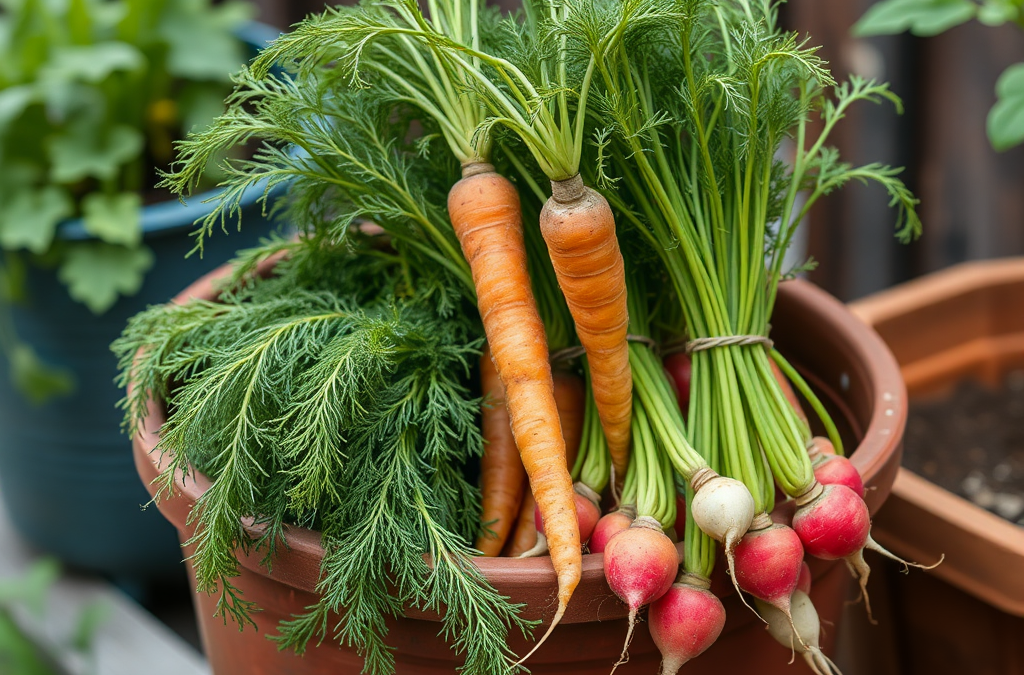
Container gardening allows you to grow a variety of vegetables, including tomatoes, peppers, and lettuce, even in limited spaces. These vegetables thrive in pots due to their relatively small root systems and adaptability to various container sizes. Successful container gardening requires proper soil, adequate drainage, and consistent watering to prevent issues such as root rot or nutrient deficiency. Selecting the right varieties based on your climate and container size is crucial for maximizing yield.
Choosing the Right Containers for Vegetables
When selecting containers for vegetable gardening, it’s essential to consider size, material, and drainage. Containers should be at least 12 inches deep for most vegetables to accommodate root growth. Materials like plastic, clay, and metal each have their advantages; for instance, plastic pots retain moisture better, while clay pots allow for more airflow. Additionally, ensure that each container has sufficient drainage holes to prevent waterlogging, which can lead to root rot.
Common mistakes include using containers that are too small or not providing adequate drainage. Always err on the side of larger containers to give roots room to expand, and check that drainage holes are clear before planting.
Best Vegetables for Container Gardening
Many vegetables thrive in container gardens. Some of the best choices include:
- Tomatoes: Choose compact or determinate varieties that grow well in pots.
- Peppers: Both sweet and hot peppers adapt well to container life.
- Leafy Greens: Lettuce, spinach, and kale can be grown closely together, maximizing space.
- Radishes: Fast-growing and require little space, making them perfect for containers.
- Herbs: Basil, parsley, and cilantro can enhance your vegetable garden while being easy to grow in pots.
When selecting vegetables, consider your climate, as some may prefer more sunlight than others. Additionally, check the growth habits of varieties to ensure they will not outgrow their containers.
Soil and Fertilization Requirements
Choosing the right soil is crucial for successful container gardening. A high-quality potting mix designed for container use is essential, as it provides good drainage and aeration. Avoid using garden soil, which can be too dense and may harbor pests or diseases.
Fertilization is also important, as nutrients can leach out of containers more quickly than in-ground gardens. Use a balanced, slow-release fertilizer at planting and supplement with liquid fertilizers every few weeks during the growing season. Pay attention to the specific nutrient needs of the vegetables you are growing, as some may have higher requirements than others.
Watering and Care Tips
Container plants typically require more frequent watering than those grown directly in the ground. This is because containers can dry out quickly, especially in hot weather. Check moisture levels regularly by sticking your finger into the soil; if it feels dry, it’s time to water. Aim to water deeply, allowing excess water to drain out of the bottom of the container.
In addition to watering, monitor for pests and diseases, which can spread quickly in container gardens. Regularly inspect plants for signs of trouble and take action promptly to prevent infestations. Pruning may also be necessary to encourage healthy growth and air circulation.
Frequently Asked Questions
What size container is best for growing vegetables?
A container should be at least 12 inches deep for most vegetables, allowing enough room for root growth.
Can I grow root vegetables in containers?
Yes, root vegetables like carrots and radishes can be grown in deep containers, but ensure the container is sufficiently sized for their growth.
How often should I water container vegetables?
Water container vegetables regularly, checking soil moisture often, especially during hot weather when they may dry out quickly.
What type of soil should I use for container gardening?
Use a high-quality potting mix designed for containers, which provides good drainage and aeration.
Do I need to fertilize vegetables in containers?
Yes, container vegetables need regular fertilization, as nutrients can leach out more quickly than in-ground gardens.
Conclusion
Growing vegetables in containers is a practical solution for those with limited space or poor soil conditions. By choosing the right containers, selecting suitable vegetable varieties, and providing proper care, you can achieve a fruitful container garden. Remember to monitor your plants closely, adjust watering and feeding as necessary, and enjoy the fresh produce that comes from your efforts. With the right approach, container gardening can yield a bountiful harvest.


